Categories
Legal

What is the Legal Age to Drink Alcohol in Spain? Rules and Tips

What is the legal age to drink alcohol in Spain? The legal drinking age in Spain is 18 years old, consistent with most European Union countries and reflecting Spain’s balanced approach to alcohol regulation that emphasizes cultural education and responsible consumption within strong family and community frameworks. Understanding Spanish alcohol laws and drinking culture helps visitors and residents appreciate the social role alcohol plays in Spanish lifestyle while maintaining appropriate legal compliance and cultural respect.

Spanish alcohol culture prioritizes social connection, food pairing, and moderation over consumption for its own sake, contributing to relatively low rates of alcohol-related problems despite widespread social drinking that forms an integral part of Spanish social life and cultural traditions.

Legal Framework and Enforcement

Spain’s alcohol laws establish clear age requirements while providing enforcement mechanisms that balance public safety with cultural accommodation for traditional Spanish drinking customs and social practices.

Age Requirements and Verification

The minimum age of 18 applies to purchasing, possessing, and consuming alcoholic beverages in public spaces, restaurants, bars, and retail establishments throughout Spain. This age requirement is consistently enforced across all autonomous communities without regional variations.

Spanish businesses regularly check identification for anyone appearing under 25, particularly in tourist areas where young international visitors are common. Penalties for serving minors include substantial fines and potential license suspensions that make compliance a serious business concern.

Acceptable identification includes valid passports, European Union national identity cards, Spanish residence documents, and official government-issued photo identification. International driving licenses may be accepted but official identification is preferred and sometimes specifically required.

Enforcement Priorities

Spanish authorities focus enforcement on preventing underage drinking while maintaining the relaxed social drinking atmosphere that characterizes Spanish culture. Police intervention typically occurs when minors drink in public spaces or when establishments clearly violate age restrictions.

The Spanish Ministry of Health emphasizes prevention and education rather than punitive approaches, aligning with Spain’s cultural view of alcohol as part of social life when consumed responsibly within appropriate contexts.

Cultural Context and Social Drinking

Spanish drinking culture emphasizes integration with food, family, and social activities rather than isolated consumption, creating educational environments that promote responsible drinking habits and cultural appreciation.

Family Integration Approach

Spanish families often introduce young adults to wine and alcoholic beverages in controlled family settings, emphasizing appreciation, moderation, and cultural context rather than prohibition followed by unsupervised experimentation.

This family-centered approach contributes to Spain having relatively low rates of binge drinking and alcohol-related problems among young people compared to countries with different cultural approaches to alcohol education and social integration.

Meal-Centered Consumption

Traditional Spanish drinking patterns center around meals and social gatherings where alcohol accompanies food and conversation rather than serving as the primary focus of social activities.

Wine with lunch and dinner, afternoon vermouth, and evening tapas with beer represent typical Spanish consumption patterns that spread alcohol intake over extended periods while emphasizing social interaction and food pairing rather than rapid consumption.

Read more about What is Spain Known for?

Types of Alcoholic Beverages and Availability

Spain produces and consumes diverse alcoholic beverages with distinct cultural significance and consumption traditions that reflect regional preferences and historical development.

Wine Culture and Regional Varieties

Spain ranks among the world’s largest wine producers with renowned regions including Rioja, Ribera del Duero, Rías Baixas, and others producing internationally celebrated wines that emphasize food pairing and cultural appreciation.

Spanish wine culture prioritizes quality, regional identity, and meal integration rather than high-volume consumption, creating educational opportunities for understanding terroir, grape varieties, and traditional winemaking techniques.

Each Spanish region maintains wine preferences that reflect local cuisine, climate, and cultural traditions, from robust northern reds to crisp Atlantic whites to fortified Andalusian sherries with centuries of production history.

Beer and Contemporary Consumption

Spanish beer culture features light, refreshing lagers suited to Mediterranean climate, with popular regional brands including Estrella Galicia, Mahou, and Cruzcampo reflecting local identity and preferences.

The Spanish “caña” (small beer) tradition encourages moderate consumption and social interaction, with emphasis on conversation and companionship rather than quantity or alcohol effects as primary motivations for consumption.

Traditional Spirits and Liqueurs

Regional Spanish spirits include Galician orujo, Catalan ratafia, and various herbal liqueurs that typically serve as digestifs after meals or during special celebrations rather than regular consumption beverages.

Sales Regulations and Availability

Spanish alcohol sales regulations balance public safety concerns with cultural accommodation for traditional consumption patterns and business needs throughout different types of establishments and time periods.

Retail Sales Hours

Most Spanish regions allow off-license alcohol sales from 8:00 AM until 10:00 PM or 11:00 PM, though some municipalities implement more restrictive hours based on local concerns about public order or community preferences.

Supermarkets, convenience stores, and specialized wine shops sell beer, wine, and spirits during standard retail hours, with some 24-hour establishments in tourist areas offering extended availability subject to local ordinances.

On-License Establishments

Bars, restaurants, and licensed establishments can serve alcohol during their operating hours, which typically extend well past midnight in most Spanish cities, reflecting Spain’s late-night social culture and dining patterns.

Spanish social life often continues until 2:00 AM or later, particularly on weekends, with many establishments serving alcohol throughout these extended social periods while maintaining responsible service practices.

Regional Variations and Local Ordinances

While national drinking age remains consistent, individual municipalities and autonomous communities implement additional regulations addressing local concerns about tourism, public order, and community well-being.

What is the Legal Age to Drink Alcohol in Spain cocktail bar

Tourist Area Restrictions

Barcelona prohibits consuming alcohol in public spaces except at licensed outdoor terraces and designated areas, addressing concerns about excessive tourism and public disorder while maintaining traditional Spanish outdoor dining culture.

The Balearic Islands, including Mallorca and Ibiza, have implemented special regulations targeting excessive drinking tourism, including restrictions on alcohol sales hours and public consumption in specific zones popular with international tourists.

Coastal tourist areas often maintain stricter public drinking regulations during summer months when tourist populations peak and potential for disorder increases, while maintaining accommodation for traditional Spanish social customs.

Drinking and Driving Laws

Spain maintains strict drinking and driving laws with blood alcohol limits and enforcement practices that prioritize public safety while accommodating social drinking culture through excellent public transportation alternatives.

Read about Driving in Spain here

Blood Alcohol Limits

Legal limits are 0.05% for experienced drivers and 0.03% for new drivers (less than two years) and professional drivers. These limits are significantly lower than many countries and are strictly enforced through frequent police checkpoints.

The Spanish Traffic Authority (DGT) recommends complete abstinence when driving, as even small amounts can impair judgment and exceed legal limits depending on individual factors and consumption timing.

Enforcement and Penalties

Spanish police conduct frequent breathalyzer checkpoints, particularly during holiday periods and summer months when traffic and social drinking both increase. Penalties include substantial fines, license suspension, and potential imprisonment for severe violations.

Spain’s excellent public transportation networks in major cities make avoiding drinking and driving relatively easy, with metros, buses, taxis, and ride-sharing services providing safe alternatives for social activities involving alcohol consumption.

Health Considerations and Resources

Spanish healthcare system provides comprehensive support for alcohol-related health concerns while emphasizing prevention and education rather than criminalization or stigmatization of alcohol-related problems.

Medical Guidelines and Recommendations

Spanish medical professionals recommend following Mediterranean dietary patterns that traditionally include moderate wine consumption with meals as part of balanced lifestyles, while emphasizing that alcohol should never be primary motivation for dietary choices.

Healthcare providers offer screening, counseling, and treatment services for alcohol-related concerns, covered under Spain’s national healthcare system and available to both residents and tourists requiring medical attention.

Support Services and Prevention Programs

Community organizations throughout Spain provide education programs, support groups, and cultural activities promoting healthy social relationships that don’t center exclusively on alcohol consumption, reflecting Spanish values of community support and collective responsibility.

International Visitor Considerations

International visitors, particularly those from countries with different drinking ages or cultural approaches to alcohol, should understand Spanish laws and cultural expectations to avoid legal complications and cultural misunderstandings.

Tourist Legal Status

Tourists 18 or older can legally consume alcohol in Spain regardless of their home country’s drinking age, but must comply with all Spanish alcohol laws and local ordinances while visiting or residing temporarily in Spain.

Americans under 21 can legally consume alcohol in Spain, but should understand that this legal status applies only within Spanish territory and doesn’t affect their legal status upon returning to the United States or other countries with higher drinking ages.

Cultural Adaptation Tips

International visitors benefit from observing Spanish drinking customs including meal-centered consumption, moderate pacing, and social integration rather than attempting to replicate drinking patterns from their home countries that may be inappropriate in Spanish cultural contexts.

Business and Professional Contexts

Spanish business culture often includes social drinking as part of relationship-building and professional networking, requiring understanding of appropriate business drinking etiquette and cultural expectations.

Business Entertainment

Spanish business meals frequently include wine or other alcoholic beverages as part of relationship development and cultural courtesy, though participation remains optional and should never be pressured or mandatory for professional success.

Understanding when and how alcohol appears in Spanish business contexts helps international professionals navigate social expectations while maintaining personal comfort levels and professional judgment about appropriate participation.

Frequently Asked Questions

Can people under 18 drink with family in Spain?

Spanish law requires 18 years for legal alcohol consumption, though family contexts may involve different practical approaches. However, public consumption, purchasing, and possession remain illegal under 18 regardless of family presence.

Are there alcohol-free zones in Spanish cities?

Some municipalities designate alcohol-free zones around schools, hospitals, and certain public spaces, but these typically address public consumption rather than consumption in licensed establishments or private settings.

What happens if someone under 18 is caught drinking?

Consequences vary but may include fines, parental notification, confiscation of alcohol, and potential legal consequences for adults who provided alcohol. Spanish authorities typically emphasize education and prevention over punishment for first-time offenses.

Do Spanish teenagers commonly drink despite age limits?

Spanish cultural approaches to alcohol education and family integration contribute to generally responsible attitudes among young people, though illegal underage consumption occurs as in all countries with minimum age requirements.

How strictly are alcohol age limits enforced in tourist areas?

Tourist areas often maintain stricter enforcement due to higher visibility and potential for problems, with businesses particularly careful about age verification to avoid penalties and maintain their licenses.

Responsible Drinking Culture

Spanish society promotes responsible drinking through cultural education, social norms, and community support systems that emphasize alcohol’s role in enhancing social connections rather than creating social problems.

The Spanish model demonstrates how alcohol can remain part of cultural tradition and social life while maintaining public health and safety through cultural education, appropriate regulation, and community responsibility rather than prohibition or excessive restriction.

Visitors and residents can participate in Spanish drinking culture responsibly by following local customs, respecting age requirements, understanding cultural contexts, and prioritizing social connection and cultural appreciation over alcohol consumption itself.

Conclusion: Understanding Spanish Alcohol Culture

Spain’s legal drinking age of 18 provides access to one of Europe’s most sophisticated and culturally integrated approaches to alcohol consumption, where drinking serves social, cultural, and culinary purposes within strong community and family frameworks that promote responsible consumption.

Understanding Spanish alcohol laws and cultural practices helps visitors and residents appreciate how alcohol can enhance social experiences and cultural participation while maintaining legal compliance and personal responsibility that contribute to community well-being.

Whether visiting Spain or considering making it your home, respecting alcohol laws and cultural norms demonstrates cultural awareness and social responsibility that enhances integration into Spanish society while supporting the cultural values that make Spanish lifestyle so appealing to international communities.

The Spanish approach to alcohol regulation and cultural integration offers lessons in balancing tradition with public health, demonstrating how appropriate legal frameworks combined with strong cultural education can create positive outcomes for individual and community well-being.

For current information about Spanish alcohol laws and health resources, consult the Spanish Ministry of Health and local municipal authorities for region-specific regulations and support services.

Categories
Moving to Spain

Does Spain Allow Dual Citizenship? Important Rules for Expats

Does Spain allow dual citizenship? The answer is both yes and no, depending on your specific circumstances and country of origin. Spain’s complex nationality laws create opportunities for some people to maintain dual citizenship while requiring others to renounce their original nationality, making it essential to understand the specific rules that apply to your situation before pursuing Spanish citizenship.

For Americans and other expats considering Spanish citizenship, understanding these nuanced regulations can mean the difference between maintaining valuable connections to your homeland and having to make difficult choices about national identity. Spain’s evolving approach to dual citizenship reflects modern global realities where people increasingly maintain meaningful ties to multiple countries throughout their lives.

Spain’s General Dual Citizenship Policy

Spain’s Constitution traditionally requires new Spanish citizens to renounce their previous nationality, but numerous exceptions and practical workarounds make dual citizenship possible for many people, especially those from certain countries or with specific family connections.

Constitutional Framework

Article 11 of the Spanish Constitution establishes the basic principles:

  • Single nationality principle: Spain generally expects citizens to hold only Spanish nationality
  • Renunciation requirement: Most naturalized citizens must formally renounce previous citizenship
  • Special exceptions: Certain countries and circumstances allow dual citizenship
  • Historical considerations: Former Spanish colonies receive preferential treatment

Practical Implementation

Despite constitutional requirements, Spain’s practical approach to dual citizenship is more flexible:

  • No active enforcement: Spain rarely investigates or revokes citizenship for maintaining other nationalities
  • Bilateral agreements: Treaties with specific countries allow dual citizenship
  • Administrative tolerance: Unofficial acceptance of dual nationality in many cases
  • EU context: European Union membership influences citizenship policies

Countries with Dual Citizenship Agreements

Spain has signed bilateral agreements with several countries that explicitly allow their citizens to maintain dual nationality when acquiring Spanish citizenship.

Latin American Countries

Most Spanish speaking Latin American countries have agreements allowing dual citizenship:

  • Argentina: Full dual citizenship permitted
  • Chile: Bilateral agreement allows dual nationality
  • Peru: Citizens can maintain both nationalities
  • Ecuador: Dual citizenship explicitly allowed
  • Colombia: Agreement permits dual nationality
  • Bolivia: Bilateral treaty allows dual citizenship
  • Costa Rica: Citizens can hold both nationalities
  • Dominican Republic: Dual citizenship permitted

Other Countries with Agreements

  • Philippines: Historical connections allow dual citizenship
  • Equatorial Guinea: Former Spanish colony with special status
  • Portugal: Iberian Peninsula agreement allows dual nationality
  • France: Limited circumstances permit dual citizenship

American Citizens and Spanish Dual Citizenship

Americans face particular challenges regarding dual citizenship with Spain because the United States is not among the countries with bilateral agreements, but practical solutions exist for many situations.

Official Spanish Position

Technically, Americans acquiring Spanish citizenship must:

  • Renounce US citizenship: Formal renunciation required during naturalization process
  • Oath of allegiance: Swear exclusive loyalty to Spain
  • Submit documentation: Provide proof of renunciation to US authorities
  • Accept single nationality: Officially recognize only Spanish citizenship

Practical Reality for Americans

Despite official requirements, many Americans successfully maintain both nationalities:

  • Renunciation interpretation: Some lawyers argue renunciation statements aren’t legally binding under US law
  • US position: America generally doesn’t recognize forced renunciations
  • Administrative practice: Spain rarely investigates dual citizenship after naturalization
  • Travel patterns: Americans can often use both passports for travel

Paths to Spanish Citizenship

Understanding different routes to Spanish citizenship helps determine which path offers the best opportunities for maintaining dual nationality.

Citizenship by Birth

  • Born in Spain: Children born on Spanish territory to foreign parents
  • Conditions apply: Parents must meet residency or other requirements
  • Automatic dual citizenship: Usually retain parents’ nationality as well
  • Registration required: Must register birth with Spanish authorities

Citizenship by Descent

  • Spanish parents: Children of Spanish citizens automatically acquire nationality
  • Grandparent connections: Some grandchildren of Spanish citizens qualify
  • Historical memory law: Descendants of Spanish Civil War exiles
  • No renunciation required: Usually can maintain other nationalities

Citizenship by Naturalization

The most common path for adult immigrants to Spain:

  • Ten year residency: Standard requirement for most nationalities
  • Reduced periods: Shorter requirements for certain countries
  • Language requirements: Must demonstrate Spanish proficiency
  • Integration exam: Knowledge of Spanish culture and constitution

Requirements for Spanish Citizenship

Acquiring Spanish citizenship requires meeting specific legal, linguistic, and integration requirements regardless of your path to naturalization.

Legal Requirements

  • Legal residency: Continuous legal residence in Spain for required period
  • Clean criminal record: No serious criminal convictions in Spain or country of origin
  • Integration proof: Evidence of integration into Spanish society
  • Good conduct: Demonstration of civic behavior and law abiding lifestyle

Language Proficiency

  • DELE A2 certificate: Minimum Spanish language proficiency requirement
  • Institute Cervantes exam: Official Spanish language testing
  • Exemptions: Some countries and circumstances provide language exemptions
  • Regional languages: Knowledge of regional languages may be required in some areas

The Application Process

Applying for Spanish citizenship involves multiple stages, extensive documentation, and potentially long waiting periods that require patience and careful preparation.

Initial Documentation

  • Birth certificate: Apostilled and translated from country of origin
  • Criminal background checks: From all countries of residence
  • Proof of residency: Municipal registration and residence permits
  • Medical certificate: Health clearance from authorized physician
  • Language certificates: DELE A2 and CCSE exam results

Processing Timeline

  • Initial review: 3 to 6 months for document verification
  • Investigation period: 6 to 12 months for background checks
  • Final decision: Total process typically takes 1 to 3 years
  • Delays possible: Complex cases may take longer

Benefits of Spanish Citizenship

Spanish citizenship provides numerous advantages that make the complex application process worthwhile for many people seeking greater European mobility and rights.

European Union Rights

  • Freedom of movement: Live and work anywhere in the EU without restrictions
  • Educational access: EU university tuition rates and scholarship eligibility
  • Healthcare coverage: Access to healthcare systems throughout EU
  • Retirement benefits: EU social security coordination

Global Travel Freedom

  • Visa free travel: Spanish passport allows visa free access to 190+ countries
  • Diplomatic protection: Spanish consular services worldwide
  • Emergency assistance: Government support during international crises
  • Third country visas: Often easier to obtain visas with EU passport

Risks and Considerations

While Spanish citizenship offers many benefits, potential applicants should understand the risks and long term implications of dual nationality.

Legal Risks

  • Citizenship revocation: Theoretical possibility for maintaining other nationality
  • Conflicting obligations: Dual loyalty issues during international conflicts
  • Legal complications: Complex legal situations with dual citizenship
  • Tax implications: Complex tax obligations to multiple countries

Special Circumstances and Exceptions

Certain situations provide unique pathways to Spanish citizenship or affect dual citizenship possibilities in ways that may benefit specific applicants.

Sephardic Jewish Heritage

  • Historical connection: Descendants of Jews expelled from Spain in 1492
  • Accelerated naturalization: Two year residency requirement
  • Documentation challenges: Proving Sephardic ancestry can be complex
  • Cultural requirements: Knowledge of Spanish culture and language

Marriage to Spanish Citizens

  • One year residency: Accelerated path for spouses
  • Genuine relationship: Must prove authentic marriage
  • Integration requirements: Still must meet language and cultural requirements
  • Divorce implications: Citizenship generally retained after divorce

Professional Assistance and Resources

Given the complexity of Spanish citizenship law, most applicants benefit from professional guidance and support throughout the application process.

Types of Professional Help

Immigration Lawyers

  • Legal expertise: Navigate complex Spanish nationality law
  • Document preparation: Ensure all paperwork meets requirements
  • Representation: Advocate during application process
  • Cost: €1,500 to 5,000 depending on case complexity

Gestores and Administrative Assistants

  • Bureaucratic navigation: Handle administrative procedures
  • Document translation: Arrange apostille and translation services
  • Government liaison: Interface with Spanish government offices
  • Cost effective: Less expensive than lawyers for straightforward cases

Making the Decision: Is Spanish Citizenship Right for You?

Deciding whether to pursue Spanish citizenship requires careful evaluation of personal circumstances, long term goals, and willingness to navigate complex legal processes.

Ideal Candidates for Spanish Citizenship

  • Long term Spain residents: People committed to permanent Spanish residence
  • EU mobility seekers: Those wanting maximum European freedom of movement
  • Family considerations: Parents wanting EU advantages for their children
  • Business professionals: Entrepreneurs needing unrestricted EU business access
  • Retirees: People seeking healthcare and lifestyle benefits

Questions for Self Assessment

  • Long term commitment: Do you see Spain as your permanent home?
  • Language willingness: Are you committed to achieving Spanish fluency?
  • Integration desire: Do you want to fully participate in Spanish society?
  • Family impact: How will citizenship affect your family members?
  • Financial readiness: Can you afford the time and money required?

Navigating Spanish Dual Citizenship Successfully

Does Spain allow dual citizenship? The answer reveals the complex reality of modern nationality law, where official policies sometimes differ from practical implementation, and where individual circumstances can dramatically affect outcomes. While Spain’s constitution technically requires renunciation of previous nationality, numerous exceptions, bilateral agreements, and administrative practices create pathways for maintaining dual citizenship in many situations.

For Americans and other nationals considering Spanish citizenship, the key lies in understanding both the official requirements and practical realities, while carefully weighing the significant benefits against potential complications. Spanish citizenship opens doors to European Union rights, global travel freedom, and full participation in one of the world’s most desirable lifestyles, but it requires genuine commitment to Spanish society and culture.

The decision to pursue Spanish citizenship should never be taken lightly. It represents not just a legal status change but a commitment to embracing Spanish values, contributing to Spanish society, and maintaining connections to Spanish culture for yourself and potentially your descendants. However, for those who make this commitment authentically, Spanish citizenship provides a pathway to a richer, more internationally connected life that reflects the best of European values and Mediterranean lifestyle.

Whether you ultimately pursue Spanish citizenship, permanent residence, or another legal status, understanding your options empowers you to make informed decisions about your future in Spain. The country’s welcoming attitude toward immigrants who demonstrate genuine commitment to Spanish society means that multiple pathways exist for building a fulfilling life in this remarkable country that has perfected the art of living well.

Categories
Culture

How Do You Say Bye in Spain? Common Farewells in Spanish

How do you say bye in Spain opens up a fascinating world of Spanish social customs where farewells carry deeper meaning than simple endings to conversations. Spanish farewell culture reflects the country’s emphasis on personal relationships, warmth, and genuine human connection, making the way you say goodbye as important as how you greet people when building authentic relationships with locals.

Understanding Spanish farewell expressions helps you navigate social situations with confidence while showing respect for cultural traditions that value proper etiquette and genuine emotion. Whether you’re ending a business meeting in Madrid, saying goodnight after dinner in Seville, or parting ways with new friends in Barcelona, knowing the right farewell phrase creates positive lasting impressions and opens doors for future interactions.

The Most Common Ways to Say Goodbye in Spain

Spanish offers numerous farewell expressions, each appropriate for different relationships, times of day, and social contexts. Mastering these basic farewells provides the foundation for natural Spanish conversations.

Adiós: The Universal Goodbye

Adiós (pronounced ah-dee-OHS) serves as Spain’s most universally recognized farewell, suitable for virtually any situation from casual encounters to formal business meetings.

  • Universal acceptance: Understood and appropriate throughout all Spanish speaking regions
  • Neutral tone: Neither too formal nor too casual for most situations
  • Permanent feeling: Often implies you won’t see the person soon
  • Safe choice: When uncertain about appropriate formality level

Hasta Luego: See You Later

Hasta luego (pronounced AHS-tah LWAY-go) literally means “until later” and represents the most popular casual farewell among Spanish speakers of all ages.

  • Casual friendliness: Perfect for friends, acquaintances, and informal situations
  • Implies return: Suggests you expect to see the person again
  • Age neutral: Appropriate for all age groups
  • Regional popularity: Widely used throughout Spain

Nos Vemos: We’ll See Each Other

Nos vemos (pronounced nos VEH-mos) creates a warm, personal connection while saying goodbye, emphasizing the relationship between the people parting.

  • Personal connection: Emphasizes the relationship between speakers
  • Future oriented: Expresses expectation of future meetings
  • Casual warmth: Friendly without being overly intimate
  • Versatile usage: Works in many social contexts

Time Specific Farewells

Spanish culture includes specific farewell expressions tied to different times of day, reflecting the importance Spanish people place on acknowledging natural rhythms and daily cycles.

Morning and Afternoon Farewells

  • Que tengas un buen día: (keh TEN-gas oon bwen DEE-ah) Have a good day
  • Buen día: (bwen DEE-ah) Good day (shorter version)
  • Hasta esta tarde: (AHS-tah EHS-tah TAR-deh) See you this afternoon
  • Que disfrutes el día: (keh dis-FROO-tes el DEE-ah) Enjoy your day

Evening and Night Farewells

  • Buenas noches: (BWAY-nas NO-ches) Good night
  • Que descanses: (keh des-KAN-ses) Rest well (informal)
  • Que descanse: (keh des-KAN-seh) Rest well (formal)
  • Dulces sueños: (DOOL-ses SWAY-nyos) Sweet dreams
  • Hasta mañana: (AHS-tah mah-NYAH-nah) See you tomorrow

Weekend and Holiday Farewells

  • Buen fin de semana: (bwen feen deh seh-MAH-nah) Have a good weekend
  • Que pases un buen finde: (keh PAH-ses oon bwen FEEN-deh) Have a good weekend (casual)
  • Felices fiestas: (feh-LEE-ses fee-YES-tas) Happy holidays
  • Que disfrutes las vacaciones: (keh dis-FROO-tes las va-ka-see-OH-nes) Enjoy your vacation

Formal vs Informal Farewells

Spanish social hierarchy requires understanding when to use formal versus informal farewell expressions, with the wrong choice potentially creating social awkwardness or showing disrespect.

Formal Business Farewells

Professional and business situations require more sophisticated farewell expressions that demonstrate respect and maintain appropriate professional distance:

  • Que tenga un buen día: (keh TEN-gah oon bwen DEE-ah) Have a good day (formal)
  • Ha sido un placer: (ah SEE-do oon plah-SER) It’s been a pleasure
  • Espero verle pronto: (es-PEH-ro VER-leh PRON-to) I hope to see you soon (formal)
  • Que pase una buena tarde: (keh PAH-seh oo-nah BWAY-nah TAR-deh) Have a good afternoon (formal)
  • Reciba un cordial saludo: (reh-SEE-bah oon kor-dee-AHL sah-LOO-do) Receive cordial greetings

Casual Friend and Family Farewells

Informal situations allow for more personal, warm, and creative farewell expressions:

  • ¡Cuídate mucho! (KWEE-dah-teh MOO-cho) Take care of yourself!
  • ¡Que vaya bien! (keh VAH-yah bee-YEN) May things go well!
  • ¡Un abrazo! (oon ah-BRAH-so) A hug!
  • ¡Nos vemos pronto! (nos VEH-mos PRON-to) We’ll see each other soon!
  • ¡Chao! (chah-oh) Ciao! (informal, borrowed from Italian)

Family and Intimate Farewells

  • Te quiero: (teh kee-YEH-ro) I love you
  • Con cariño: (kon ka-REE-nyo) With affection
  • Besos y abrazos: (BEH-sos ee ah-BRAH-sos) Kisses and hugs
  • Que Dios te bendiga: (keh dee-ohs teh ben-DEE-gah) May God bless you

Regional Variations Across Spain

Spain’s diverse regions contribute unique farewell expressions that reflect local languages, cultural influences, and regional identity, adding richness to Spanish farewell traditions.

Andalusian Farewells (Southern Spain)

Andalusia’s warm, expressive culture influences farewell customs with emotional intensity and creativity:

  • ¡Que vaya usted con Dios! (keh VAH-yah oos-TEHD kon dee-ohs) Go with God!
  • ¡Adiós, mi alma! (ah-dee-OHS mee AHL-mah) Goodbye, my soul!
  • ¡Que sea lo que Dios quiera! (keh SEH-ah lo keh dee-ohs kee-YEH-rah) May it be God’s will!
  • ¡Ole, hasta luego! (OH-leh AHS-tah LWAY-go) Ole, see you later!

Catalonia (Barcelona Area)

Catalonia’s bilingual culture means farewells often blend Spanish and Catalan expressions:

  • ¡Adéu! (ah-DEH-oo) Goodbye in Catalan
  • ¡Fins aviat! (feens ah-vee-AHT) See you soon in Catalan
  • ¡Bona nit! (BOH-nah neet) Good night in Catalan
  • Mixed farewells: Combining Spanish and Catalan in same sentence

Basque Country

The Basque region maintains strong linguistic traditions that influence farewell customs:

  • ¡Agur! (ah-GOOR) Goodbye in Basque
  • ¡Gero arte! (GEH-ro AR-teh) See you later in Basque
  • ¡Gabon! (gah-BON) Good night in Basque
  • Cultural pride: Using Basque farewells shows cultural appreciation

Galicia (Northwest Spain)

  • ¡Ata logo! (AH-tah LOH-go) See you later in Galician
  • ¡Adeus! (ah-DEH-oos) Goodbye in Galician
  • Portuguese influence: Similarities to Portuguese farewell expressions

Situational Farewell Etiquette

Different social situations require specific farewell approaches that demonstrate cultural awareness and social sensitivity appropriate to Spanish customs.

Restaurant and Service Farewells

Saying goodbye in restaurants, shops, and service establishments follows particular Spanish etiquette:

  • ¡Gracias y hasta luego! (GRAH-see-ahs ee AHS-tah LWAY-go) Thanks and see you later!
  • ¡Que tengan buena tarde! (keh TEN-gan BWAY-nah TAR-deh) Have a good afternoon! (to staff)
  • ¡Muy amables! (moo-ee ah-MAH-bles) Very kind! (appreciating service)
  • ¡Todo perfecto! (TOH-do per-FEK-to) Everything perfect! (satisfied customer)

Phone and Video Call Farewells

  • ¡Hablamos pronto! (ah-BLAH-mos PRON-to) We’ll talk soon!
  • ¡Un beso por teléfono! (oon BEH-so por teh-LEH-fo-no) A kiss over the phone!
  • ¡Te llamo luego! (teh YAH-mo LWAY-go) I’ll call you later!
  • ¡Cuelga tú! (KWEL-gah too) You hang up! (playful reluctance to end call)

Email and Text Message Farewells

  • Un saludo: (oon sah-LOO-do) Best regards (formal email)
  • Un abrazo: (oon ah-BRAH-so) A hug (friendly email)
  • ¡Hasta la vista! (AHS-tah lah VEES-tah) See you later (text)
  • Bss: Abbreviation for “besos” (kisses) in texts

Emotional Context in Spanish Farewells

Spanish farewell culture allows for greater emotional expression than many other cultures, with different phrases conveying various emotional undertones and relationship depths.

Sad or Difficult Farewells

  • ¡Que te vaya muy bien! (keh teh VAH-yah moo-ee bee-YEN) May things go very well for you!
  • ¡Te echaré de menos! (teh eh-cha-REH deh MEH-nos) I’ll miss you!
  • ¡Cuídate mucho, por favor! (KWEE-dah-teh MOO-cho por fah-VOR) Please take good care of yourself!
  • ¡Que Dios te acompañe! (keh dee-ohs teh ah-kom-PAH-nyeh) May God be with you!

Happy and Celebratory Farewells

  • ¡Que lo pases genial! (keh lo PAH-ses heh-nee-AHL) Have an awesome time!
  • ¡A disfrutar! (ah dis-froo-TAHR) Go enjoy yourself!
  • ¡Que te diviertas! (keh teh dee-vee-YER-tas) Have fun!
  • ¡Nos vemos para celebrar! (nos VEH-mos PAH-rah seh-leh-BRAHR) We’ll see each other to celebrate!

Romantic and Intimate Farewells

  • ¡Te amo! (teh AH-mo) I love you! (very intimate)
  • ¡Sueña conmigo! (SWAY-nyah kon-MEE-go) Dream of me!
  • ¡Eres mi vida! (EH-res mee VEE-dah) You’re my life!
  • ¡Hasta pronto, mi amor! (AHS-tah PRON-to mee ah-MOR) See you soon, my love!

Non Verbal Farewell Customs

Spanish farewell culture includes significant non verbal elements that complement spoken words and demonstrate proper social etiquette according to Spanish customs.

Physical Gestures

  • Two kisses: Standard farewell greeting among friends and family
  • Handshakes: Professional or first meeting farewells
  • Embraces: Close friends and family members
  • Wave patterns: Specific waving styles for different distances

Eye Contact and Facial Expressions

  • Direct eye contact: Shows sincerity and respect during farewells
  • Warm smiles: Genuine facial expressions enhance farewell warmth
  • Nodding acknowledgment: Confirming mutual understanding
  • Facial timing: Matching expressions to farewell tone

Personal Space and Positioning

  • Closer positioning: Spanish farewells involve closer physical proximity
  • Body orientation: Facing the person fully during farewells
  • Movement coordination: Stepping away gradually rather than abruptly
  • Group dynamics: Acknowledging everyone present during group farewells

Read more about Spanish culture here

Teaching Children Spanish Farewells

Spanish families place great emphasis on teaching children proper farewell etiquette as part of broader social education and cultural transmission.

Child Appropriate Farewells

  • ¡Adiós, adiós! (ah-dee-OHS ah-dee-OHS) Bye bye! (repetition for emphasis)
  • ¡Hasta luego, cocodrilo! (AHS-tah LWAY-go ko-ko-DREE-lo) See you later, crocodile!
  • ¡Dame un besito! (DAH-meh oon beh-SEE-to) Give me a little kiss!
  • ¡Chao, chao! (chah-oh chah-oh) Ciao, ciao! (playful repetition)

Family Teaching Approaches

  • Repetition practice: Children learn through consistent repetition
  • Gesture coordination: Teaching words with appropriate physical actions
  • Context explanation: When to use formal versus informal farewells
  • Cultural storytelling: Stories that reinforce farewell customs

Modern Spanish Farewell Trends

Contemporary Spanish society blends traditional farewell customs with modern influences from social media, international culture, and changing social patterns.

Technology Influenced Farewells

  • WhatsApp farewells: Specific phrases for messaging apps
  • Emoji integration: Combining words with emotional symbols
  • Video call endings: New phrases for digital interactions
  • Social media sign offs: Platform specific farewell customs

International Influences

  • English borrowing: “Bye” increasingly used by young people
  • Italian influence: “Ciao” widely accepted in casual situations
  • French touches: “Au revoir” occasionally used
  • Global awareness: Understanding international farewell customs

Generational Differences

  • Traditional preferences: Older generations favor classical Spanish farewells
  • Youth innovation: Young people create new farewell combinations
  • Professional evolution: Business farewells becoming more international
  • Cultural preservation: Efforts to maintain traditional expressions

Common Farewell Mistakes to Avoid

Understanding common errors helps foreigners avoid social mistakes that could create awkward situations or unintentionally offend Spanish speakers.

Formality Errors

  • Over formality: Using formal farewells with friends and casual acquaintances
  • Under formality: Too casual with elderly people or business contacts
  • Regional insensitivity: Ignoring local farewell customs
  • Age inappropriate: Using youth slang with older adults

How Do You Say Bye in Spain man

Cultural Misunderstandings

  • Physical contact avoidance: Refusing kisses or embraces when appropriate
  • Rushed farewells: Ending conversations too abruptly
  • Emotional suppression: Being too restrained in warm social contexts
  • Translation errors: Direct translation from English farewell customs

Pronunciation Problems

  • Silent letters: Mispronouncing by adding English silent letter patterns
  • Stress placement: Incorrect emphasis on syllables
  • Regional accents: Attempting accents inappropriately
  • Speed issues: Speaking too fast for clear pronunciation

Practice Strategies for Natural Farewells

Developing natural Spanish farewell skills requires consistent practice, cultural observation, and willingness to make mistakes while learning authentic Spanish social customs.

Observational Learning

  • Watch interactions: Observe how Spanish people say goodbye in different situations
  • Note contexts: Pay attention to when different farewells are used
  • Study relationships: Understand how relationship levels affect farewell choices
  • Regional awareness: Notice regional variations in farewell customs

Active Practice Methods

  • Daily integration: Use Spanish farewells in daily life situations
  • Mirror practice: Practice pronunciation and gestures alone
  • Language exchange: Practice with native Spanish speakers
  • Cultural immersion: Attend Spanish social events and gatherings

Confidence Building

  • Start simple: Begin with basic farewells and gradually add complexity
  • Accept mistakes: Learn from errors without self-criticism
  • Seek feedback: Ask Spanish friends for pronunciation and usage advice
  • Celebrate progress: Acknowledge improvements in farewell skills

Mastering Spanish Farewell Culture

Learning how to say bye in Spain effectively transforms simple endings into meaningful cultural exchanges that demonstrate respect, build relationships, and create lasting positive impressions with Spanish people who value authentic human connection above superficial politeness.

Spanish farewell culture reflects the country’s broader values of warmth, personal relationships, and emotional authenticity. When you take time to learn proper farewell expressions and use them appropriately, you show Spanish speakers that you value their culture and want to connect genuinely rather than simply completing transactions or conversations.

Whether you’re planning a short visit to Spain or considering making it your permanent home, mastering Spanish farewells will enrich every interaction and help you build the meaningful relationships that make Spanish life so rewarding. From casual “hasta luego” with your morning coffee server to heartfelt “cuídate mucho” with close friends, appropriate farewells open doors to authentic Spanish experiences.

¡Hasta la próxima! (Until next time!)

Categories
Life in Spain

What Is Spain Known For? Discover the Country’s Top Attractions and Culture

Spain has a way of getting under your skin. It’s the late-afternoon light on stone plazas, the clap of flamenco, the hum of tapas bars, and the thrill of historic cities that still live loudly. From Moorish palaces to Gaudí’s surreal masterpieces, from mountain peaks to Mediterranean coves, Spain blends old and new with effortless charm.

This guide walks you through what Spain is best known for its iconic landmarks, cultural traditions, world-famous food, and natural beauty so you can plan a trip (or a move) that taps into the heart of the country.

What you’ll learn:

  • The must-see landmarks that define Spain’s skyline and story
  • Key cultural traditions from flamenco to festivals that shape daily life
  • The dishes and drinks Spain is famous for (and where to try them)
  • Natural attractions you shouldn’t miss, from beaches to national parks
  • Practical tips to experience Spain like a local

Spain’s Most Famous Landmarks

Alhambra, Granada: A Moorish Masterpiece

Set above Granada, the Alhambra is a palace-city that feels like a dream in stone. Intricate stucco, cedarwood ceilings, Quranic calligraphy, and quiet courtyards with reflecting pools show the height of Nasrid artistry. Book timed tickets in advance and go early or late to avoid crowds. Don’t miss the Generalife gardens, where terraces burst with roses and fountains.

Tip: Stay in the Albaicín neighborhood to watch the sunset turn the Alhambra amber from the Mirador de San Nicolás.

Sagrada Família, Barcelona: Gaudí’s Unfinished Vision

Antoni Gaudí’s basilica is one of the most distinctive buildings on earth. Its forest-like interior columns and stained glass wash the space in color, while the Nativity and Passion façades tell stories in stone. Construction began in 1882 and continues today, funded by visitors. Reserve a tower visit for panoramic city views.

Nearby: Park Güell and Casa Batlló round out a Gaudí trifecta.

Royal Palace, Madrid: Regal Grandeur

Though the Spanish royal family doesn’t live here full-time, the Royal Palace is still used for state ceremonies. With over 3,000 rooms, lavish frescoes, and a grand staircase, it offers a close look at Bourbon elegance. Cross the plaza to Almudena Cathedral, then wander the Sabatini Gardens.

Pair it with: A stroll through Madrid’s historic center Plaza Mayor, San Miguel Market, and Puerta del Sol.

Seville’s Cathedral and Alcázar: Gothic Meets Mudéjar

Seville’s Cathedral is the largest Gothic cathedral in the world and the resting place of Christopher Columbus. Climb La Giralda, a former minaret, for sweeping views. Next door, the Real Alcázar blends Islamic and Christian styles with azulejo-tiled rooms and lush gardens. Game of Thrones fans will recognize it as the palace of Dorne.

Timing tip: Visit off-peak or book a combo ticket and guided tour to save time.

Santiago de Compostela: Pilgrimage and Stone

For centuries, pilgrims have walked the Camino de Santiago to reach the cathedral said to hold the remains of St. James. Even if you don’t walk, the old town’s granite arcades, incense-swinging Botafumeiro, and friendly bars serving pulpo a feira (Galician octopus) make it a standout.

Living Culture: Traditions That Define Spain

Flamenco: More Than Dance

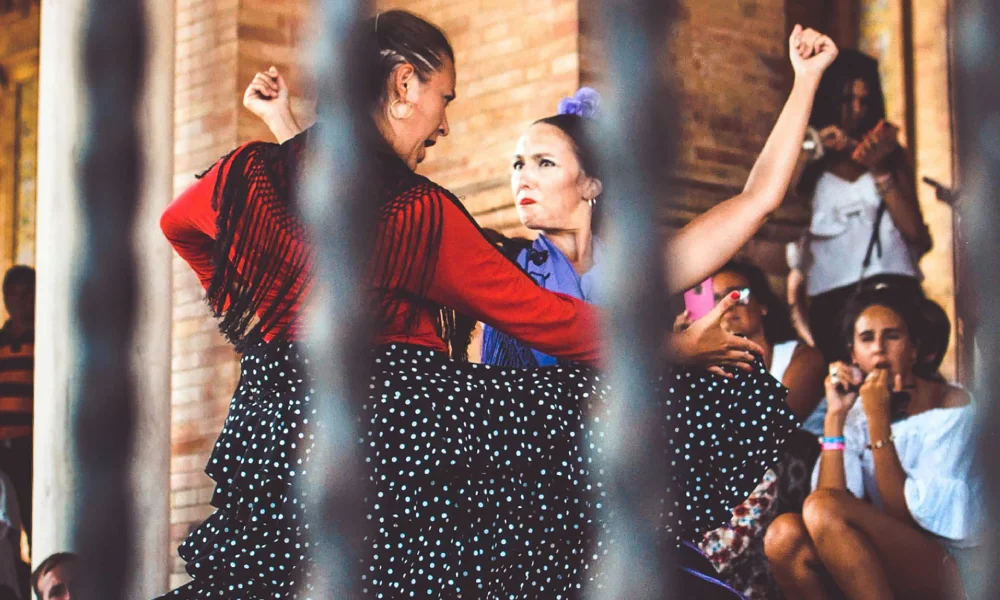
Born in Andalusia, flamenco blends song (cante), guitar (toque), and dance (baile). It’s raw, rhythmic, and emotional—often performed in intimate venues called tablaos. In Seville or Jerez, seek out smaller peñas for authentic shows. You’ll feel the palmas (handclaps) in your chest.

How to experience it: Book a performance plus a short workshop; understanding compás (rhythm) deepens the magic.

Siesta and the Late Schedule

Yes, shops often close in the afternoon, especially outside big cities. Dinner starts late—9 pm is normal, after a pre-dinner vermut or caña (small beer). This rhythm suits Spain’s climate and social life. Embrace it by planning a light lunch, a rest, and a later dinner.

Fiestas and Festivals

  • La Tomatina (Buñol): A joyful tomato fight every August. Wear old clothes and goggles.
  • Las Fallas (Valencia): Monumental sculptures go up in flames in March—fire, fireworks, and artistry.
  • Semana Santa (Andalusia): Haunting processions with brass bands and candlelit floats.
  • San Fermín (Pamplona): Famous for the running of the bulls; the city also hosts days of music and food.

Regional Pride and Languages

Spain is a country of regions, each with its own identity. Catalonia, the Basque Country, Galicia, and others have distinct languages and traditions. You’ll see bilingual street signs and different dishes. Respect for regional cultures earns goodwill—and opens doors.

What Spain Is Known For on the Plate

Tapas: Small Plates, Big Flavors

Tapas are social dining at its best. You order a few, share, and order more as you go. In Granada, you’ll often get a free tapa with your drink. Popular picks:

  • Patatas bravas: Fried potatoes with spicy sauce or aioli
  • Gambas al ajillo: Shrimp sizzling in garlic and olive oil
  • Croquetas: Crispy, creamy bites (ham, mushroom, cod)
  • Tortilla española: A thick potato omelet, often served at room temperature

How to order: Start at the bar. Ask for the specialty (¿Cuál es la especialidad de la casa?) and follow local crowds.

Paella and Rice Dishes

Valencia is the home of paella, traditionally made with chicken, rabbit, and beans. Seafood paellas and arroz a banda are coastal favorites. Order paella at lunch, not dinner, and look for the socarrat—the crispy layer at the bottom.

Local tip: Avoid tourist traps with laminated “paella for one.” Quality paella is usually made to share and takes time.

Jamón Ibérico and Cheeses

You’ll see legs of cured ham hanging in bars, jamón ibérico is the prized variety, especially de bellota (acorn-fed). Pair it with:

  • Manchego (La Mancha): Firm, nutty
  • Cabrales (Asturias): Blue and bold
  • Mahón (Menorca): Tangy with a paprika-rubbed rind

Olive Oil, Seafood, and Fresh Produce

Spain is one of the world’s top olive oil producers. Drizzle it over pan con tomate (crusty bread rubbed with ripe tomato). On the coasts, try grilled sardines in Málaga, anchovies in Cantabria, and cuttlefish in Cádiz. In the interior, stews like cocido madrileño and fabada asturiana warm winter days.

Sweets and Treats

  • Churros con chocolate: Breakfast or late-night snack, especially in Madrid
  • Tarta de Santiago: Almond cake from Galicia
  • Turrón: Nougat enjoyed year-round, especially at Christmas

Wine, Vermouth, and Cava

Spain’s wine map is a treasure hunt:

  • Rioja and Ribera del Duero: Tempranillo reds with structure
  • Priorat: Powerful reds from Catalonia’s slate soils
  • Albariño (Rías Baixas): Zesty white, perfect with seafood
  • Sherry (Jerez): From dry fino to sweet Pedro Ximénez—versatile and underrated
  • Cava (Penedès): Spain’s sparkling wine, great value

Try a Sunday vermut on tap in Madrid or Barcelona—aromatic, lightly bitter, and very social.

Spain’s Natural Beauty: Beaches, Mountains, and Beyond

Beaches for Every Mood

  • Costa Brava (Catalonia): Rocky coves, clear water, quiet villages like Calella de Palafrugell
  • Costa del Sol (Andalusia): Long, sandy stretches and lively towns—Málaga, Marbella, Nerja
  • Balearic Islands: Mallorca’s hidden calas, Menorca’s turquoise beaches, Ibiza’s mix of clubs and calm
  • Canary Islands: Year-round sun, with volcanic scenery on Tenerife and Lanzarote

Responsible travel tip: Choose Blue Flag beaches for clean water and good facilities.

Mountains and National Parks

  • Picos de Europa: Jagged peaks, stone villages, and hearty Asturian food
  • Pyrenees: Hiking, skiing, and Romanesque churches strung along valleys
  • Sierra Nevada: Spain’s highest peaks on the mainland, with winter sports near Granada
  • Teide National Park (Tenerife): Otherworldly lava fields and Spain’s highest point

Check out Does It Snow in Spain for more about winter in Spain.

Rural Escapes and White Villages

Andalusia’s pueblos blancos—Zahara de la Sierra, Frigiliana, Vejer de la Frontera—offer whitewashed lanes and hilltop views. In La Rioja and Ribera del Duero, vineyard tours and bodega tastings pair scenery with flavor.

Art, Architecture, and the Spanish Creative Spirit

Museums You’ll Remember

  • Prado (Madrid): Velázquez, Goya, and a deep dive into European masters
  • Reina Sofía (Madrid): Modern art, including Picasso’s Guernica
  • Guggenheim (Bilbao): Frank Gehry’s titanium icon, with cutting-edge exhibits
  • Picasso Museum (Barcelona and Málaga): From early sketches to later works

Make it easy: Buy a museum pass in Madrid’s Art Walk to bundle entry.

Architecture That Spans Centuries

Spain’s buildings tell its layered history:

  • Roman aqueduct in Segovia, still standing without mortar
  • Mudéjar brick towers in Teruel, a fusion of Islamic and Christian styles
  • Modernist gems across Catalonia beyond Gaudí—Domènech i Montaner’s Palau de la Música Catalana is a riot of stained glass
  • Contemporary standouts like Valencia’s City of Arts and Sciences

Daily Life: What Makes Spain Feel So… Spanish

Plazas and Paseo

Evenings bring people outside. Join the paseo—an unhurried walk—and linger in plazas over a glass of wine or a café cortado. It’s simple, social, and central to Spanish life.

Markets and Mercados

Fresh food markets are a joy. La Boqueria (Barcelona) and Mercado de San Miguel (Madrid) are famous, but neighborhood markets often feel more local and less crowded. Pick up olives, jamón, and fruit for an impromptu picnic.

Football and Festive Spirit

Football is a national passion—catch a match at Camp Nou (Barcelona), the new Bernabéu (Madrid), or a local stadium for a taste of the atmosphere. On weekends, watch for pop-up festivals, castellers (human towers) in Catalonia, and summer concerts in town squares.

Practical Tips to Experience the Best of Spain

  • Eat with the clock: Lunch 1–3 pm, dinner from 9 pm. For earlier meals, target areas with more international visitors or hotel restaurants.
  • Reserve big-ticket sights: Sagrada Família, Alhambra, and the Alcázar sell out.
  • Learn a few phrases: A simple “por favor,” “gracias,” and “buenos días” go a long way. In Catalonia, “bon dia” is appreciated.
  • Public transport: Trains are fast between major cities—book AVE routes in advance for deals. Buses cover smaller towns.
  • Sunday closures: Many shops close on Sundays; plan sightseeing or outdoor activities.

Why Spain Captivates Travelers and Expats Alike

Ask anyone who’s stayed a while and you’ll hear the same themes: a slower rhythm that still hums with life, food that’s both simple and excellent, art and architecture at every turn, and landscapes that change with each region. Spain isn’t a single story. It’s a mosaic—and exploring it piece by piece is the joy.

Ready to Experience Spain?

Whether you’re planning a short trip or thinking about a longer move, Spain offers depth, warmth, and variety you won’t exhaust in one visit. Start with a couple of regions, book those must-see landmarks, and leave space for late-night tapas and serendipity. The best parts often happen between the sights.