Spain captivates millions of visitors annually. The country offers an extraordinary blend of historic architecture, vibrant culture, and Mediterranean coastlines. Furthermore, Spain features world-renowned gastronomy that delights every palate.
Each Spanish city offers unique experiences. These experiences reflect centuries of diverse cultural influences. Whether you seek artistic masterpieces or flamenco performances, Spain delivers unforgettable memories.
This comprehensive guide explores Spain’s ten most essential cities. Each destination offers distinct personalities and attractions. Our rankings consider cultural significance, architectural heritage, and visitor experience.
Before planning your Spanish adventure, consider practical aspects. For instance, research visa requirements and familiarize yourself with local customs. Additionally, understanding tipping etiquette will enhance your experience.
Moreover, learning about what Spain is known for will deepen your appreciation. This knowledge helps you understand each destination’s unique contributions to Spanish culture.
10. Bilbao: Basque Innovation and Industrial Heritage

Quick Stats
| Population | 346,000 |
| Region | Basque Country |
| Famous for | Guggenheim Museum, Basque cuisine |
| Best for | Art lovers and food enthusiasts |
| Climate | Oceanic, mild year-round |
Bilbao represents one of Europe’s most remarkable urban transformations. The city evolved from an industrial port into a gleaming cultural destination. Consequently, it attracts art enthusiasts worldwide.
The Guggenheim Effect
The Guggenheim Museum Bilbao catalyzed this transformation. Designed by Frank Gehry, it opened in 1997. Subsequently, it created the famous “Bilbao Effect” that urban planners study globally.
The museum’s titanium-clad exterior curves and flows like a metallic flower. Inside, it houses rotating exhibitions of contemporary art. Additionally, it features permanent installations that challenge traditional gallery concepts.
Jeff Koons’ massive “Puppy” sculpture guards the entrance. Meanwhile, Louise Bourgeois’ towering spider sculpture creates dramatic encounters throughout the year.

Basque Culinary Excellence
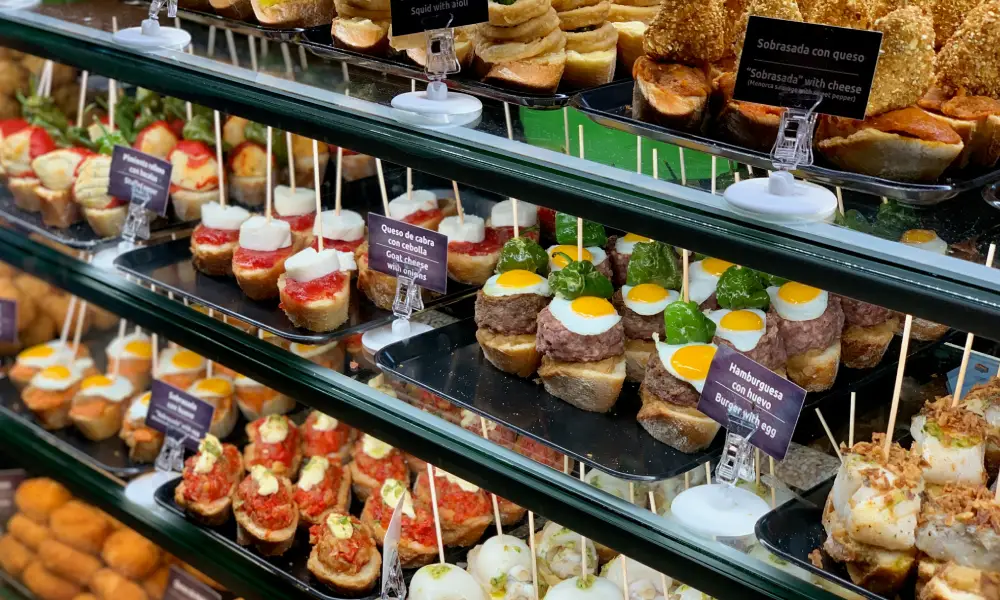
Bilbao’s culinary scene rivals any Spanish city. The Basque tradition of pintxos elevates casual dining to an art form. Therefore, visitors experience exceptional gastronomic adventures.
The Casco Viejo (Old Quarter) concentrates dozens of pintxos bars within walking distance. Each bar specializes in unique creations. Furthermore, they combine traditional Basque ingredients with innovative techniques.
The Mercado de la Ribera showcases exceptional Basque produce. Guinness World Records recognizes it as the world’s largest covered market. Fresh seafood from the Bay of Biscay creates the foundation for celebrated regional gastronomy.
Modern Infrastructure and Accessibility
Bilbao’s efficient metro system connects all major districts. Norman Foster designed this architectural attraction. The distinctive glass entrance pavilions provide weather protection while creating elegant urban landmarks.
The Metro Bilbao extends to coastal towns. Thus, it makes beach excursions easily accessible for visitors and residents.
The revitalized waterfront features contemporary architecture and riverside parks. Santiago Calatrava’s iconic Zubizuri Bridge adds architectural beauty. Evening strolls reveal the city’s industrial heritage through preserved cranes and converted warehouses.
Regional Exploration
Day trips from Bilbao reveal diverse Basque landscapes. The coastal town of Getxo offers beautiful beaches. Additionally, it features the UNESCO World Heritage Vizcaya Bridge.
Guernica provides sobering historical significance. This town was immortalized in Picasso’s famous painting. Consequently, it attracts visitors seeking cultural and historical understanding.
9. San Sebastian: Gastronomic Paradise and Belle Époque Elegance

Quick Stats
| Population | 186,000 |
| Michelin Stars | 16 (highest density globally) |
| Famous for | Pintxos, La Concha Bay, film festival |
| Best for | Food lovers and beach enthusiasts |
| Peak season | July-September |
San Sebastian possesses more Michelin stars per capita than any city worldwide. This elegant seaside resort combines world-class gastronomy with pristine beaches. Moreover, it features Belle Époque architecture that creates refined sophistication.
La Concha Bay Beauty
The crescent-shaped La Concha Bay provides Europe’s most beautiful urban beach setting. Golden sand stretches between Monte Urgull and Monte Igueldo. Furthermore, the protected waters remain calm throughout summer months.
The surrounding promenade offers scenic walks. These walks provide mountain and ocean vistas simultaneously. Additionally, the bay setting creates perfect conditions for swimming and water sports.
World-Class Culinary Scene
San Sebastian’s pintxos culture reaches extraordinary heights. Bars in the Parte Vieja (Old Town) serve miniature culinary masterpieces. These creations showcase Basque ingredients and innovative techniques.
The tradition involves moving from bar to bar. Visitors sample specialties paired with local Txakoli wine. Meanwhile, they engage in conversations with locals and fellow travelers.
Three-Michelin-starred restaurants represent the pinnacle of Basque cuisine. Akelarre and Arzak transform traditional recipes through innovative techniques. These establishments require advance reservations but provide unforgettable dining experiences.
Cultural Events and Festivals
The annual San Sebastian International Film Festival transforms the city each September. It attracts Hollywood celebrities and European filmmakers. Consequently, cinema enthusiasts worldwide visit during this glamorous period.
The festival focuses on artistic excellence and cultural diversity. This approach reflects San Sebastian’s sophisticated cultural identity. Furthermore, it establishes the city as a serious cultural destination.
Scenic Viewpoints and Transportation
Monte Igueldo’s funicular railway operates since 1912. It carries visitors to panoramic viewpoints overlooking the Bay of Biscay. Additionally, it offers views of the Pyrenees Mountains in the distance.
The summit features a charming amusement park with vintage rides. Spectacular photo opportunities abound, particularly during sunset. The golden light illuminates the coastline creating magical moments.
San Sebastian’s compact size makes walking the preferred transportation method. Most attractions lie within easy reach of the city center. Pedestrian-friendly streets encourage leisurely exploration and spontaneous discoveries.
8. Granada: Moorish Splendor and Sierra Nevada Majesty

Quick Stats
| Population | 232,000 |
| UNESCO Sites | Alhambra, Generalife, Albayzín |
| Famous for | Alhambra Palace, flamenco, free tapas |
| Best for | History enthusiasts and culture seekers |
| Elevation | 738 meters above sea level |
Granada preserves the most spectacular remnants of Moorish Spain. The legendary Alhambra palace complex represents the pinnacle of Islamic architecture. This UNESCO World Heritage site demonstrates sophisticated artistic achievements of Al-Andalus civilization.
The Magnificent Alhambra

The Alhambra requires advance booking during peak seasons. Daily visitor numbers are strictly limited to preserve delicate architectural details. Furthermore, this limitation maintains the intimate atmosphere of these historic spaces.
The Nasrid Palaces showcase intricate geometric patterns. Muqarnas ceilings and reflecting pools create extraordinary beauty. Additionally, mathematical precision defines every architectural element.
The adjacent Generalife Gardens provide peaceful retreats. Terraced landscapes and fountain courtyards offer panoramic views. These gardens demonstrate Islamic horticultural principles that influenced European design.
Historic Neighborhoods
The historic Albayzín neighborhood preserves medieval street layouts. Narrow cobblestone streets climb hillsides dotted with traditional carmenes. These houses feature private gardens that reflect Moorish traditions.

The neighborhood offers numerous miradores providing spectacular Alhambra views. Sunset viewing creates particularly magical experiences. Golden light illuminates the palace walls creating unforgettable moments.
Unique Tapas Culture
Granada’s tapas tradition differs from other Spanish cities. Bars traditionally serve complimentary tapas with every drink order. This custom encourages bar hopping while sampling diverse Andalusian specialties.
Local dishes range from jamón serrano to innovative fusion creations. These creations blend Moorish and contemporary influences. Consequently, visitors experience unique culinary adventures.
Mountain Adventures
The nearby Sierra Nevada mountains provide year-round recreational opportunities. Winter skiing at Europe’s southernmost ski resort attracts snow sports enthusiasts. Summer hiking in Spain’s highest mountain range offers different adventures.
 Mountain villages preserve traditional Alpujarran architecture. They also maintain agricultural practices dating back centuries. These authentic rural experiences lie within an hour’s drive of Granada.
Authentic Flamenco Heritage
Flamenco performances in Granada carry particular authenticity. The Sacromonte caves serve as traditional venues. Roma families developed unique styles here over generations.
Cave venues provide intimate settings for experiencing flamenco’s emotional intensity. Visitors learn about cultural significance and historical development simultaneously.
7. Santiago de Compostela: Spiritual Journey and Medieval Splendor

Quick Stats
| Population | 97,000 |
| UNESCO Status | World Heritage City |
| Famous for | Camino pilgrimage, cathedral |
| Best for | Pilgrims and history enthusiasts |
| Annual pilgrims | Over 300,000 |
Santiago de Compostela serves as the ultimate destination for millions of pilgrims. They complete the Camino de Santiago, one of Christianity’s most important pilgrimage routes. This UNESCO World Heritage city combines profound spiritual significance with exceptional architectural preservation.
The Sacred Cathedral
The magnificent Santiago Cathedral houses the shrine of Saint James. Tradition claims his remains rest beneath the high altar. The cathedral has welcomed pilgrims for over 1,000 years.

The Baroque façade conceals a Romanesque interior filled with history. The famous Pórtico de la Gloria represents medieval Europe’s finest sculptural achievement. Furthermore, it continues to inspire visitors from around the world.
Medieval Architecture Preserved
The historic center preserves extraordinary collections of architectural treasures. Romanesque, Gothic, and Baroque buildings constructed from local granite weather beautifully. These stones develop distinctive golden and gray tones over time.

Pedestrian streets connect plazas lined with arcaded buildings. University faculties, museums, and traditional restaurants specialize in seafood. Additionally, they serve regional wines that reflect Galician traditions.
Pilgrimage Traditions
Pilgrims arrive after completing various Camino routes. They create a constant stream of international visitors. Consequently, this contributes to the city’s cosmopolitan atmosphere throughout the year.
The Pilgrim’s Office issues Compostela certificates. These go to those completing at least 100 kilometers on foot. Medieval traditions established during centuries past continue today.
Galician Culinary Heritage
Galician cuisine showcases exceptional regional seafood. Local specialties include pulpo a la gallega served with paprika. Empanada gallega features savory pies with various fillings.
Percebes represent some of Spain’s most prized culinary delicacies. Local Albariño and Ribeiro wines complement maritime flavors perfectly. These wines reflect Galicia’s distinct viticultural traditions developed over centuries.
Cultural Museums and Education
The Museum of the Galician People preserves regional cultural heritage. Exhibits feature traditional crafts, folk music, and rural architecture. Historical artifacts illustrate Galicia’s Celtic connections and maritime traditions.
Santiago’s university, founded in 1495, maintains its educational importance. Student populations support affordable dining and entertainment venues. Cultural programming keeps the historic center vibrant throughout the year.
6. Toledo: Medieval Time Capsule and Cultural Crossroads

Quick Stats
| Population | 84,000 |
| UNESCO Status | Historic City of Toledo |
| Famous for | El Greco, medieval architecture |
| Best for | Day trips from Madrid, history lovers |
| Distance from Madrid | 70 kilometers (45 minutes by train) |
Toledo stands as Spain’s most perfectly preserved medieval city. Christian, Islamic, and Jewish cultures coexisted here for centuries. Consequently, they created architectural and artistic legacies that survive largely intact today.
This UNESCO World Heritage site perches dramatically above the Tagus River. Its silhouette remains unchanged for hundreds of years. Furthermore, it’s instantly recognizable from El Greco’s famous paintings.
Magnificent Gothic Architecture
The Toledo Cathedral represents one of Spain’s most magnificent Gothic structures. It houses extraordinary art collections including works by El Greco, Goya, and Velázquez. Additionally, priceless religious artifacts accumulated over centuries fill its halls.

The cathedral’s treasury displays the massive 16th-century Custodia de Arfe. This goldsmithing masterpiece appears in Corpus Christi processions. Therefore, it continues centuries-old religious traditions.
El Greco’s Artistic Legacy
El Greco’s artistic legacy permeates Toledo completely. The master painter lived and worked here during his most productive period. The Museo de Santa Cruz houses the world’s finest El Greco collection.
His former residence and the Church of Santo Tomé display additional masterpieces. “The Burial of the Count of Orgaz” remains particularly famous. Visitors experience these works in their original cultural context.
Jewish Heritage Preserved
The Jewish Quarter preserves two historic synagogues. They survived the 1492 expulsion, providing insight into Sephardic Jewish life. This period represented Toledo’s golden age of cultural tolerance.
The Santa María la Blanca synagogue showcases Mudéjar architecture. Meanwhile, the Synagogue of El Tránsito houses a museum dedicated to Sephardic culture. These sites demonstrate the city’s multicultural heritage.
Traditional Craftsmanship
Traditional sword-making and damascene crafts continue in family workshops. These have operated for generations using ancient techniques. Mariano Zamorano and other master craftsmen welcome visitors.

Visitors observe ancient techniques while craftsmen create decorative items and functional blades. Toledo maintains its reputation for metalworking excellence established centuries ago.
Literary Connections
The Don Quixote Route connects Toledo with La Mancha locations. These areas are associated with Cervantes’ masterpiece. Visitors explore windmills, rural villages, and landscapes that inspired literature’s most famous knight-errant.
Regional specialties include Manchego cheese and local wines. These complement the literary journey through Spain’s most beloved fictional landscape.
Accessibility from Madrid
Toledo’s proximity to Madrid makes it an ideal day trip destination. High-speed AVE trains complete the journey in just 33 minutes. However, staying overnight allows visitors to experience magical evening atmosphere.

Tourist crowds diminish after dark, and medieval ambiance becomes more pronounced. The Alcázar of Toledo provides excellent views and houses the Army Museum with extensive military collections.
5. Valencia: Modern Innovation Meets Ancient Traditions

Quick Stats
| Population | 790,000 |
| UNESCO Recognition | Silk Exchange, Valencia Cathedral |
| Famous dish | Paella Valenciana |
| Best for | Families and young professionals |
| Climate | Mediterranean, 300+ sunny days |
Valencia perfectly balances its role as Spain’s third-largest city with relaxed Mediterranean atmosphere. The city seamlessly combines cutting-edge architecture with over 2,000 years of history. Consequently, Roman ruins coexist with futuristic structures throughout the urban landscape.
Architectural Marvels
The spectacular City of Arts and Sciences complex represents Valencia’s commitment to innovation. Santiago Calatrava designed this architectural masterpiece. It houses an opera house, science museum, planetarium, and Europe’s largest aquarium.

The complex serves as both a cultural destination and symbol of progress. Valencia’s forward-thinking approach to urban development attracts visitors worldwide. Furthermore, it establishes the city as a modern cultural center.
Authentic Paella Heritage
Valencia is the birthplace of paella, and takes its culinary heritage seriously. Traditional restaurants serve authentic paella Valenciana made with rabbit, beans, and saffron. This differs significantly from seafood variations found elsewhere.

The dish tastes incomparably better in its homeland. Local chefs use traditional techniques and finest regional ingredients. Central Market showcases exceptional produce from Valencia’s fertile countryside.
Coastal Lifestyle
Valencia’s beaches stretch for miles along the Mediterranean coast. Metro connections provide direct access from the city center. Playa de la Malvarosa and Playa de las Arenas offer urban beach experiences.

Nearby Playa del Saler provides more natural settings. It lies within the protected Albufera Natural Park. The pleasant climate, with over 300 sunny days annually, makes beach activities possible year-round.
Historic Treasures
The city’s historic center preserves remarkable architectural treasures. The Valencia Cathedral houses what tradition claims to be the Holy Grail. Additionally, the stunning Silk Exchange (La Lonja) demonstrates Valencia’s historical importance as a Mediterranean trading center.

This UNESCO World Heritage site showcases Gothic civil architecture. Moreover, it reflects the city’s prosperous medieval period when silk trading flourished.
Technology and Innovation Hub
Valencia’s growing reputation as a technology hub attracts young professionals from across Europe. Excellent universities and research centers contribute to an atmosphere of innovation. The city hosts major international conferences and trade shows.
Startup incubators and co-working spaces support entrepreneurial ventures. These range from biotechnology to renewable energy projects. Consequently, Valencia appeals to digital nomads and tech workers.
Famous Las Fallas Festival
The famous Las Fallas festival transforms Valencia every March. It becomes the world’s largest outdoor art exhibition. Neighborhoods compete to create enormous sculptural installations. These are ceremonially burned on the final night.
This UNESCO-recognized celebration demonstrates the city’s commitment to artistic expression. Community participation defines the festival’s character. Year-round workshops prepare for the annual spectacular event.
Sustainable Transportation
Valencia’s public transportation system includes metro, buses, and innovative bike-sharing programs. The Valenbisi system makes car ownership unnecessary for residents. The Valencia Metro efficiently connects all major districts.

The system extends to coastal areas, facilitating beach access. Dedicated bike lanes throughout the city encourage sustainable transportation. Furthermore, this infrastructure supports Valencia’s environmental goals.
Family-Friendly Environment
Valencia offers exceptional education options for families considering relocation. International schools and prestigious universities provide excellent opportunities. The city’s parks and recreational facilities offer ample outdoor activities.
Cultural institutions provide diverse programming for all ages. Housing costs remain significantly lower than Barcelona or Madrid. Nevertheless, Valencia provides comparable amenities and quality of life.
4. Seville: Andalusian Soul and Flamenco Heritage

Quick Stats
| Population | 688,000 |
| UNESCO Sites | Cathedral, Alcázar, Archive of Indies |
| Famous for | Flamenco and Semana Santa |
| Best for | Culture enthusiasts and history lovers |
| Climate | Mediterranean, hot summers |
Seville embodies the romantic spirit that defines Andalusia. Magnificent Moorish palaces share the spotlight with the world’s largest Gothic cathedral. Additionally, flamenco music drifts from courtyards lined with orange trees.
This enchanting capital of southern Spain offers authentic traditional Spanish life. It showcases architectural treasures representing over 1,000 years of cultural fusion. Consequently, visitors experience Spain’s most romantic atmosphere.
World’s Largest Gothic Cathedral
The Seville Cathedral stands as the world’s largest Gothic cathedral. It houses Christopher Columbus’s tomb and the famous Giralda tower. Originally, this tower served as a minaret during the Islamic period.
Climbing the tower’s ramps rewards visitors with spectacular views. These ramps were designed for horses rather than stairs. Furthermore, they provide panoramic vistas over Seville’s historic center and the Guadalquivir River.
Magnificent Royal Alcázar
The Royal Alcázar of Seville represents Europe’s most beautiful palace complex. Islamic, Christian, and Renaissance architectural elements create extraordinary beauty. The palace gardens provide peaceful refuges filled with fountains and pavilions.
Carefully planned vistas have inspired visitors for centuries. Advance booking is essential, particularly during peak tourist seasons. Therefore, planning ahead ensures entry to this UNESCO World Heritage site.
Authentic Flamenco Heritage
Seville’s flamenco heritage runs deeper than any other Spanish city. Authentic performances take place in intimate tablaos throughout the week. Additionally, neighborhood bars host spontaneous flamenco sessions.

The Triana district traditionally housed Roma families who developed modern flamenco. The area preserves the art form’s most authentic expressions. Moreover, it welcomes visitors seeking to understand this passionate musical tradition.
Spectacular Festival Calendar
The city’s festival calendar reaches extraordinary heights during Semana Santa (Holy Week). The Feria de Abril provides another spectacular celebration. Holy Week processions transform streets into moving religious theater.

Elaborate floats are carried by costumed brotherhoods. Thousands of spectators line the processional routes. The April Fair creates a temporary city of decorated casetas (tents) where Sevillanos celebrate with traditional dress and horses.
Exceptional Tapas Culture
Seville’s tapas culture encourages leisurely social dining. Neighborhoods like Alameda de Hércules concentrate excellent bars. The historic center offers both traditional and innovative small plates.
Local specialties include jamón ibérico from nearby Jabugo. Gazpacho andaluz provides refreshing summer relief. Pescaíto frito reflects the city’s connection to nearby coastal areas.
River Setting and Modern Connections
The Guadalquivir River adds another dimension to Seville’s appeal. Riverside walks and boat tours provide recreational opportunities. The modern Triana Bridge connects the historic center with the vibrant Triana neighborhood.
The river brings cooling breezes during hot summer months. Furthermore, it provides scenic beauty and recreational activities year-round.
Affordable Quality of Life
Seville’s relatively affordable cost of living attracts international residents and retirees. The city offers excellent healthcare and good public transportation. Moreover, the pace of life prioritizes personal relationships over constant productivity pressure.

Pleasant winter climate makes Seville particularly attractive during cooler months. Therefore, many visitors choose winter stays to avoid extreme summer heat.
3. Málaga: Costa del Sol Gateway and Cultural Renaissance

Quick Stats
| Population | 574,000 |
| Airport passengers | 20+ million annually |
| Famous for | Picasso’s birthplace, beaches, museums |
| Best for | Beach lovers and art enthusiasts |
| Annual sunshine | 320+ days |
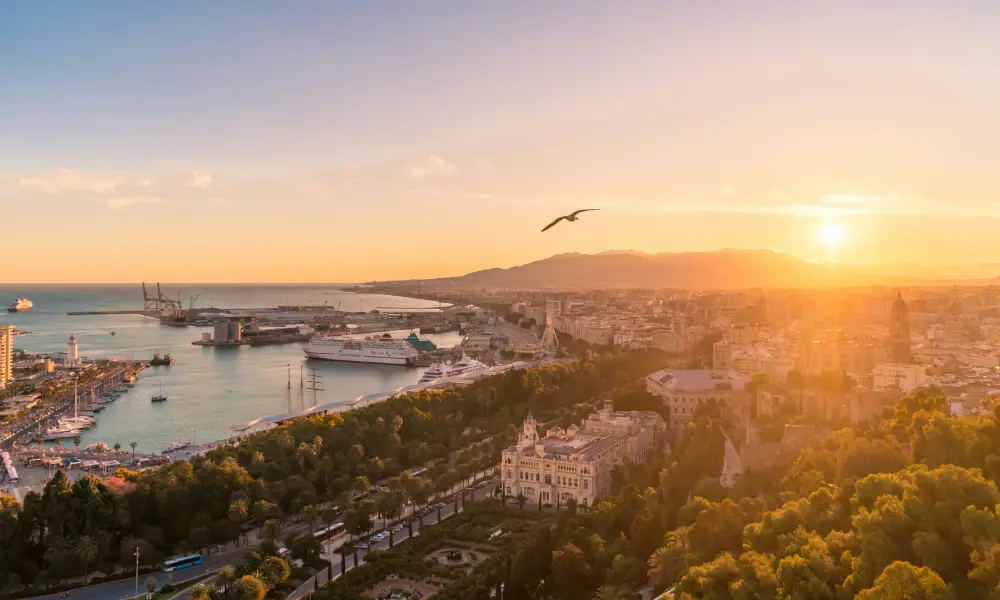
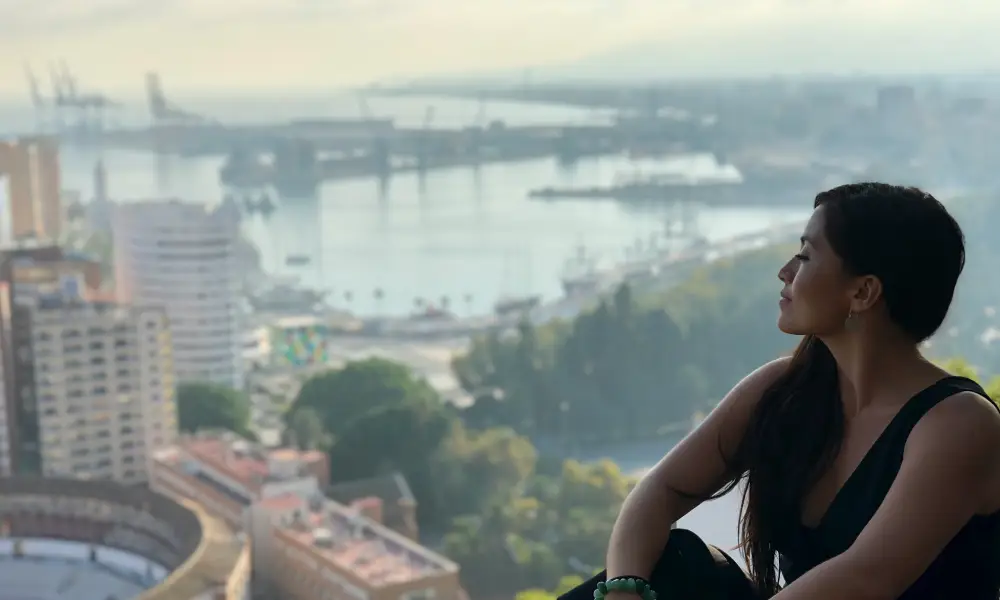
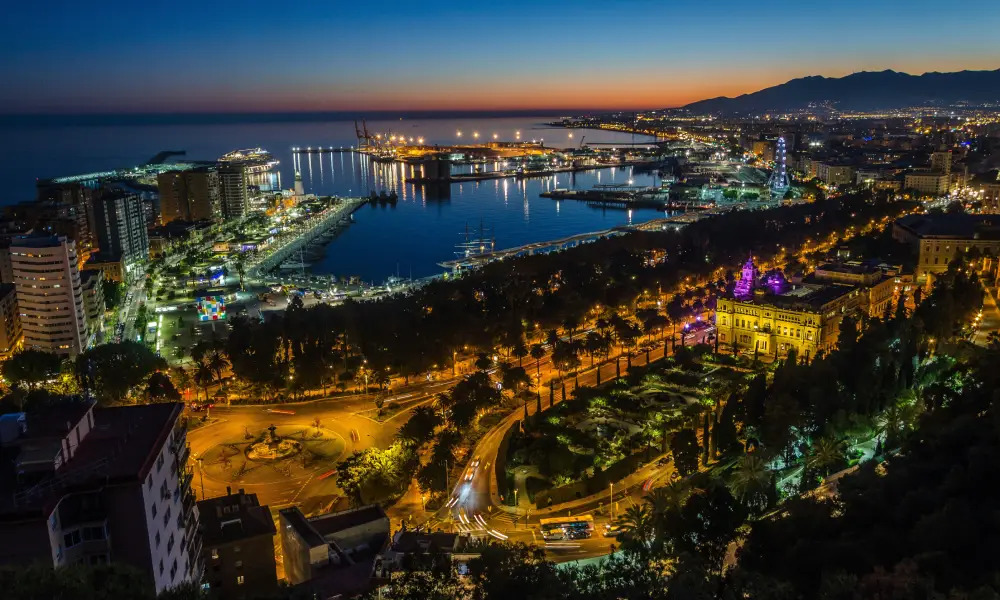
Málaga has transformed from a simple beach destination into Spain’s most dynamic cultural center. It maintains its appeal as the Costa del Sol gateway. This Mediterranean port city combines world-class museums with pristine beaches.

Exceptional dining and year-round sunshine attract tourists and expatriate residents. Affordable living costs make it particularly appealing. Consequently, many people seek quality Mediterranean lifestyles here.
Picasso’s Cultural Legacy
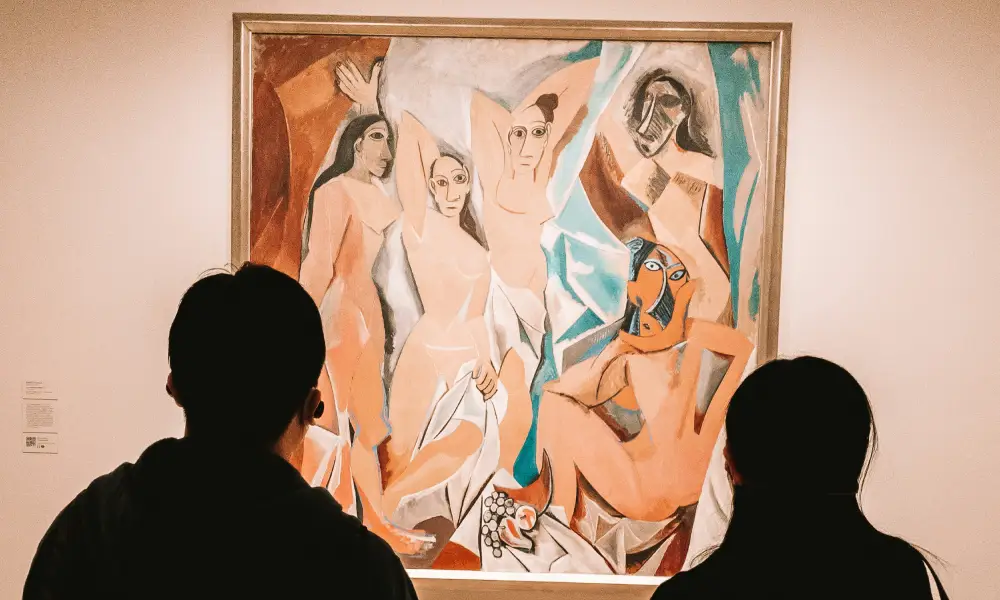
Pablo Picasso’s birthplace celebrates its most famous son comprehensively. The Museo Picasso Málaga houses over 200 works spanning his entire career. The museum occupies the beautifully restored Buenavista Palace.

Intimate settings allow visitors to experience Picasso’s evolution. Traditional techniques evolved into revolutionary modern art movements. Furthermore, visitors see these changes in their original Andalusian context.
Historic Fortifications
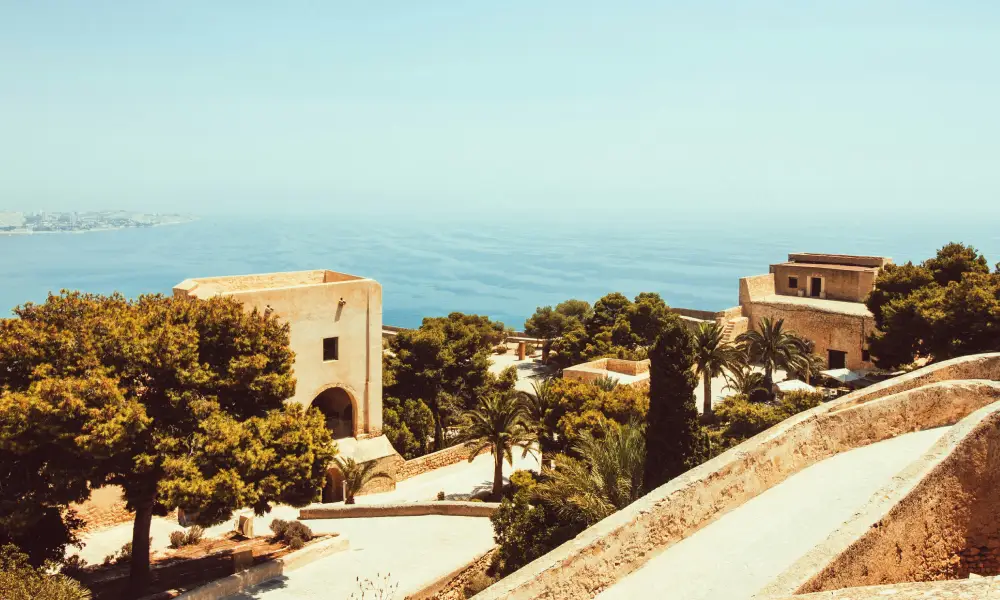
The historic Alcazaba fortress complex showcases Islamic military architecture. Terraced gardens, fountains, and defensive walls protected Málaga’s harbor for over 1,000 years.

Connected pathways lead to the hilltop Gibralfaro Castle. These paths offer panoramic views over the Mediterranean coastline. Additionally, they provide vistas of the bustling port below.
Museum Renaissance
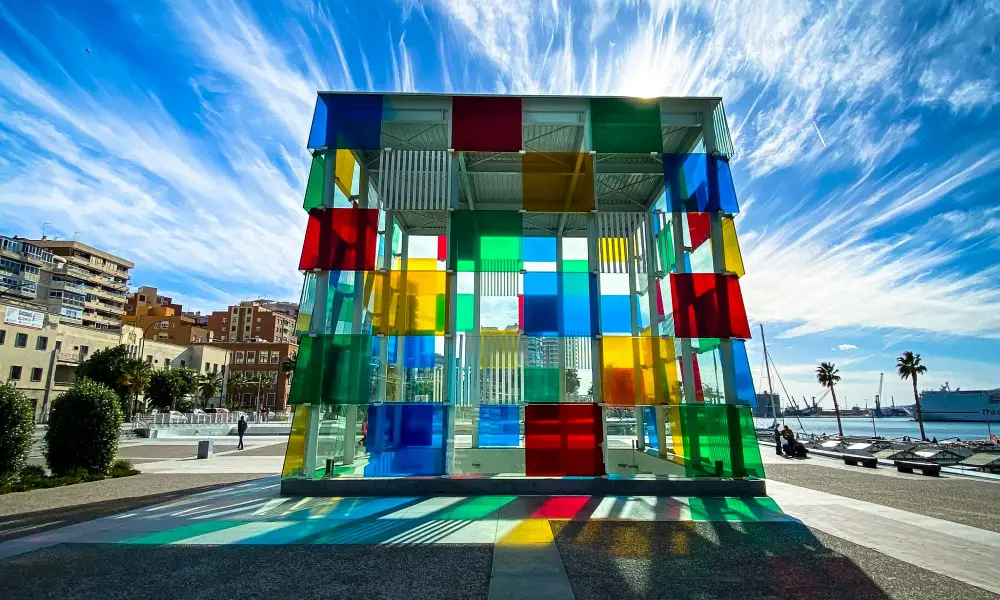
Málaga’s cultural renaissance includes several striking museums. The Carmen Thyssen Museum occupies a renovated 16th-century palace. The contemporary Centre Pompidou Málaga represents the first international branch of Paris’s famous modern art museum.
These institutions establish Málaga as a serious cultural destination. They extend the city’s appeal beyond traditional beach tourism. Moreover, they attract art enthusiasts from around the world.
Urban and Natural Beaches
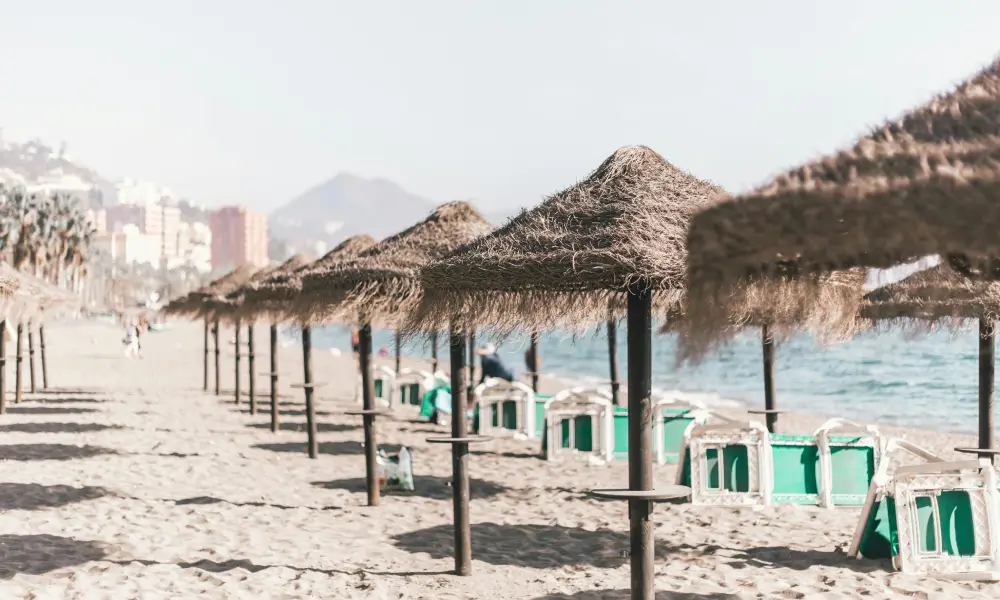
The city’s beaches extend from urban Playa de la Malagueta to more natural settings. Playa de la Malagueta provides easy access on foot from the historic center. Playa de Pedregalejo and El Palo offer traditional fishing boat atmospheres.
These beaches feature family-run chiringuitos serving fresh seafood and paella. Traditional fishing boats rest on sandy shores between these beach restaurants. Therefore, visitors experience authentic Andalusian coastal culture.
Maritime Gastronomy
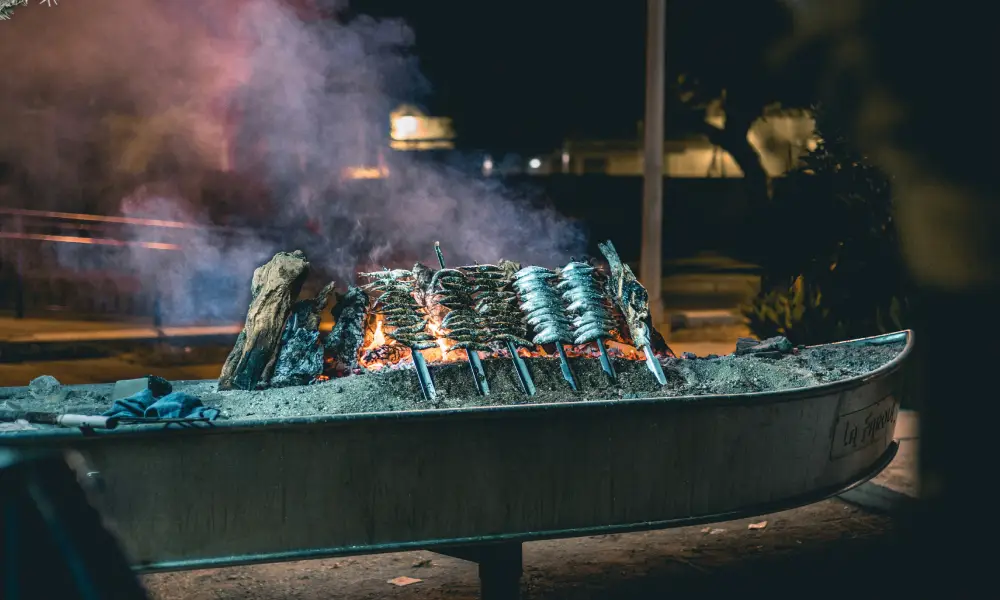
Málaga’s gastronomy reflects both maritime location and Andalusian heritage. Specialties include espetos de sardinas (grilled sardines) cooked over beach fires. Gazpacho provides refreshing relief from summer heat.

Sweet Málaga wines have been produced in surrounding hills for centuries. The Atarazanas Market showcases exceptional local produce. The 19th-century iron and glass structure maintains architectural beauty while housing fresh food vendors.
Excellent Connectivity
The pedestrian-friendly historic center concentrates attractions within walking distance. Efficient public transportation connects outlying beaches and suburban areas. Málaga’s airport ranks among Spain’s busiest.

International connections make the city easily accessible for short visits and permanent relocation. Therefore, many international residents choose Málaga for its convenience and lifestyle benefits.
Regional Day Trips
Day trips from Málaga explore diverse Andalusian attractions. The dramatic El Caminito del Rey walkway winds through limestone gorges. Whitewashed villages of the Sierra de las Nieves provide mountain experiences.

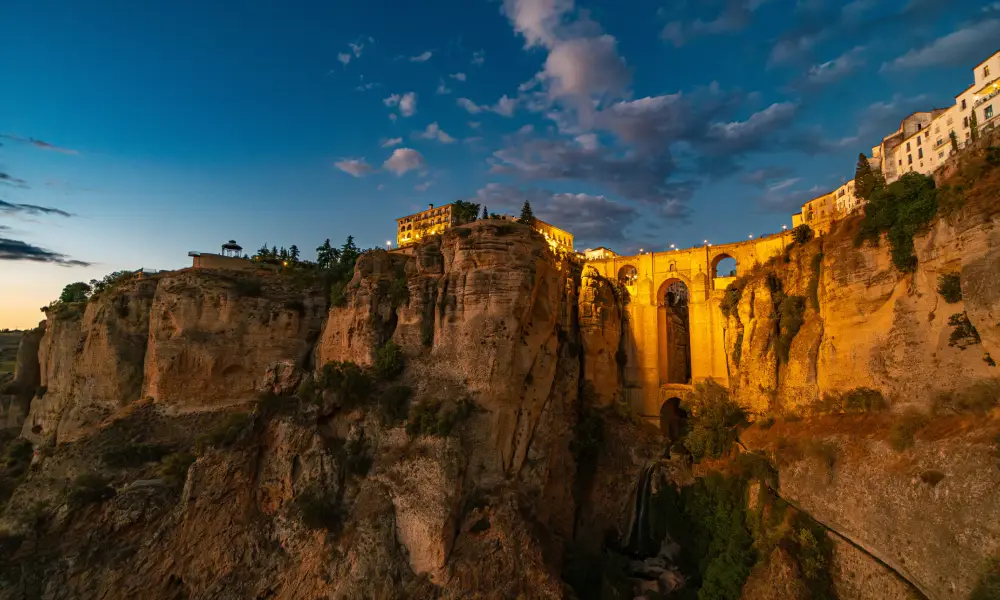
The nearby resort town of Marbella offers upscale shopping and dining. Ronda provides spectacular mountain scenery and historic bullfighting traditions. Each destination offers unique perspectives on Andalusian culture.
International Community
Málaga’s growing international community creates a cosmopolitan atmosphere. The city welcomes visitors and new residents from around the world. Excellent healthcare facilities and international schools support diverse populations.
Cultural programming caters to various interests and backgrounds. Nevertheless, the city maintains its distinctly Andalusian character. For those considering relocating to Spain, Málaga provides ideal combinations of climate, culture, and connectivity.
2. Barcelona: Catalonian Capital and Architectural Marvel

Quick Stats
| Population | 1.6 million |
| UNESCO Sites | 9 Gaudí buildings |
| Famous for | Gaudí architecture, beaches, nightlife |
| Best for | Architecture lovers and beach enthusiasts |
| Annual visitors | 30+ million |
Barcelona captivates visitors with unique blends of architectural styles. Gothic medieval architecture combines with revolutionary Modernist masterpieces. Additionally, vibrant Mediterranean beaches complement distinctly Catalonian culture that sets it apart from the rest of Spain.
This cosmopolitan metropolis balances preservation with contemporary design. Ancient Roman walls coexist with avant-garde architecture throughout the city. Traditional markets thrive alongside innovative restaurants in this dynamic urban environment.
Gaudí’s Architectural Legacy
Antoni Gaudí’s architectural legacy defines Barcelona’s most iconic attractions. The awe-inspiring Sagrada Família basilica continues construction more than 140 years after it began. This UNESCO World Heritage site combines Gothic and Art Nouveau forms.
Gaudí’s distinctive organic style features facades telling biblical stories. Intricate stone carvings create educational narratives. Interior spaces evoke sacred forests through innovative design approaches.

The whimsical Park Güell showcases Gaudí’s integration of architecture with natural landscapes. Colorful mosaic benches and gingerbread-house pavilions create fairytale atmospheres. The famous salamander sculpture overlooks the city and Mediterranean Sea.
Historic Gothic Quarter
Barcelona’s Gothic Quarter preserves Europe’s most complete medieval city centers. Narrow stone streets lead to hidden plazas and ancient churches. Remnants of Roman Barcino provide historical foundation layers.

The Barcelona Cathedral features soaring spires and peaceful cloisters. White geese inhabit the cloister, continuing centuries-old traditions. The cathedral provides spiritual centers for historic neighborhood exploration.
Vibrant Street Life
Las Ramblas connects Plaça de Catalunya with the historic port. This famous boulevard passes the vibrant Boqueria Market where vendors sell diverse products. Fresh seafood, Iberian ham, exotic fruits, and local specialties create sensory experiences.

Although touristy, Las Ramblas maintains its role as Barcelona’s cultural artery. Evening paseos attract locals and visitors alike. The pedestrian promenade encourages social interaction and urban exploration.
Modernist Architecture District
The Eixample district contains the world’s highest concentration of Art Nouveau buildings. Gaudí’s Casa Batlló and Casa Milà (La Pedrera) demonstrate revolutionary residential design approaches.

The neighborhood’s grid layout creates famous “blocks of discord”. Competing Modernist architects showcased their most ambitious domestic projects here. Consequently, visitors experience architectural innovation at every turn.
Urban Beach Culture
Barcelona’s beaches were created for the 1992 Olympics. They provide urban seaside experiences within walking distance of the city center. Barceloneta Beach offers traditional beach activities.

Chiringuitos serve paella and fresh seafood along the shoreline. Nova Icària and Bogatell beaches attract younger crowds and beach sports enthusiasts. Therefore, visitors enjoy diverse coastal experiences without leaving the urban environment.
Innovative Culinary Scene
The city’s culinary scene ranges from traditional Catalonian cuisine to innovative fine dining. Traditional specialties include pa amb tomàquet (bread with tomato) and crema catalana. These complement contemporary creative restaurants earning international recognition.

The Born and Gràcia neighborhoods concentrate excellent restaurants, bars, and cafes. They showcase both local traditions and contemporary creativity. Furthermore, these areas provide authentic neighborhood dining experiences.
Comprehensive Transportation
Barcelona’s efficient public transportation includes metro, buses, and suburban trains. All major attractions connect through integrated networks. The comprehensive transport system makes car ownership unnecessary.

Residents and tourists enjoy convenient access to different neighborhoods and attractions. Therefore, urban mobility enhances the Barcelona experience significantly.
Dynamic Nightlife
The city’s vibrant nightlife extends from sophisticated cocktail bars to beach clubs. The Born district features elegant evening venues. Beach clubs along the Mediterranean coast provide different atmospheres.

Live music venues showcase everything from traditional flamenco to electronic music. Barcelona’s clubs often open after midnight, reflecting Spanish social rhythms. Late-night socializing defines the city’s cultural character.
Regional Day Trips
Day trips from Barcelona reveal diverse Catalonian landscapes. The medieval monastery of Montserrat perches dramatically in serrated mountains. The coastal town of Sitges offers beaches, museums, and vibrant carnival celebrations.

High-speed trains connect Barcelona with major Spanish cities efficiently. Low-cost airlines provide access to European destinations. Consequently, Barcelona serves as an excellent base for broader exploration.
1. Madrid: Spain’s Majestic Capital and Cultural Heart

Quick Stats
| Population | 3.3 million |
| Metro area | 6.7 million |
| Famous for | Prado Museum, Royal Palace, nightlife |
| Best for | Art lovers and culture enthusiasts |
| Elevation | 650 meters (highest capital in Europe) |
Madrid stands as Spain’s magnificent capital and cultural epicenter. World-renowned art museums house masterpieces by Velázquez, Goya, and Picasso. Additionally, grand boulevards connect royal palaces with vibrant neighborhoods that never seem to sleep.
This cosmopolitan metropolis combines imperial grandeur with contemporary innovation. Habsburg architecture coexists with modern business districts throughout the urban landscape. Traditional tabernas share streets with cutting-edge restaurants in this dynamic capital city.
World-Class Art Museums
The legendary Prado Museum houses the world’s finest collection of Spanish painting. Velázquez’s “Las Meninas” represents the pinnacle of artistic achievement. Goya’s dark paintings and works by El Greco, Murillo, and Zurbarán define Spain’s Golden Age of art.

Recent expansion and renovation create optimal viewing conditions. Millions of visitors make annual pilgrimages to see these masterpieces. Therefore, advance booking ensures entry during peak periods.
Royal Palace Magnificence
The Royal Palace of Madrid represents Europe’s most opulent royal residences. Over 3,000 rooms showcase centuries of artistic treasures. Stradivarius instruments and frescoes by Tiepolo fill magnificent halls.

Although the royal family no longer resides here, the palace serves as the official residence. State ceremonies maintain Spain’s monarchical traditions. Furthermore, public tours reveal extraordinary artistic collections.
Golden Triangle of Art
The famous Golden Triangle of Art encompasses three world-class museums within walking distance. The Prado, Reina Sofía, and Thyssen-Bornemisza create concentrated cultural experiences.

The Reina Sofía houses Picasso’s “Guernica” alongside works by Dalí and Miró. The Thyssen-Bornemisza fills gaps in Spanish collections with impressionist and modern masterpieces. Consequently, art enthusiasts experience comprehensive artistic surveys.
Urban Green Spaces
Retiro Park provides a green oasis in Madrid’s heart. Tree-lined paths lead to the stunning Crystal Palace. Rose gardens and artificial lakes offer peaceful retreats from urban energy.

Visitors rent rowboats on the park’s lake during warm weather. The park hosts outdoor concerts and art exhibitions throughout the year. Therefore, it serves as Madrid’s most beloved public space for locals and tourists.
Exceptional Culinary Scene
Madrid’s culinary scene encompasses traditional Castilian cuisine and innovative restaurants earning Michelin stars. Centenarian tavernas serve authentic regional specialties. The Mercado de San Miguel offers gourmet tapas in beautiful early 20th-century architecture.

Traditional neighborhoods preserve authentic tabernas where families serve jamón ibérico and cocido madrileño. Local wines complement regional dishes perfectly. Furthermore, these establishments maintain centuries-old culinary traditions.
Legendary Nightlife Culture
The city’s legendary nightlife begins late and continues until dawn. Neighborhoods like Malasaña and Chueca offer diverse evening venues. Intimate cocktail bars contrast with massive clubs attracting international DJs.

Madrid’s “movida” culture celebrates late-night socializing and artistic expression. Live music and cultural events keep the city energetic throughout the week. Therefore, visitors experience Spain’s most dynamic nightlife scene.
Historic Gran Vía
Gran Vía represents Madrid’s most famous shopping and entertainment boulevard. Early 20th-century architecture houses theaters, cinemas, and restaurants. Flagship stores create excellent shopping experiences along this historic avenue.

The avenue connects the historic center with modern business districts. It showcases Madrid’s evolution from imperial capital to contemporary European metropolis. Furthermore, it demonstrates architectural progression through different historical periods.
Central Puerta del Sol
The Puerta del Sol serves as Madrid’s geographic and symbolic center. Kilometer Zero marks the starting point for Spain’s national road system. The square hosts New Year’s celebrations broadcast throughout Spanish-speaking countries.
Nearby streets concentrate shopping, dining, and cultural attractions within the historic center. Therefore, Puerta del Sol provides excellent orientation for urban exploration.
Excellent Transportation Networks
Madrid’s comprehensive public transportation includes metro, buses, and suburban trains. The extensive network connects all neighborhoods and surrounding towns. Car ownership becomes unnecessary while providing convenient access to attractions.

Airports and high-speed rail connections link Madrid with other Spanish cities. European destinations remain easily accessible through excellent transport infrastructure. Consequently, Madrid serves as Spain’s primary transportation hub.
Diverse Day Trip Options
Day trips from Madrid explore diverse Castilian landscapes and historic cities. The medieval walls of Ávila provide UNESCO World Heritage experiences. The Roman aqueduct of Segovia demonstrates ancient engineering achievements.

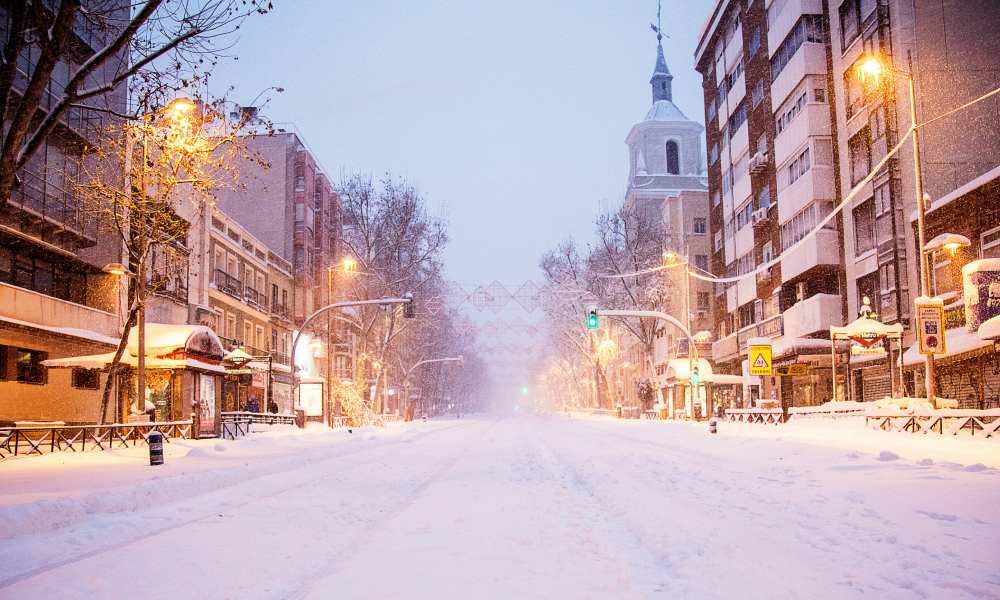
Toledo, Aranjuez, and El Escorial offer easy escapes from urban life. Each destination showcases different aspects of Spanish history and culture. For Americans planning extended stays, understanding climate variations helps, including whether it snows in Spain during winter months.
Capital City Advantages
Madrid’s role as Spain’s political, economic, and cultural capital ensures constant international activity. The city hosts major art fairs, fashion weeks, and international conferences. It maintains its reputation as Europe’s most livable capital cities.

International visitors, business travelers, and cultural events create dynamic urban energy. For visitors interested in Spanish social customs, learning traditions such as how to say cheers in Spain enhances social interactions and cultural appreciation.
Madrid
Population: 3.3M
Climate: Continental
Main Attractions: Prado, Royal Palace
Best For: Culture & Art
Cost Level: High
Barcelona
Population: 1.6M
Climate: Mediterranean
Main Attractions: Sagrada Família, Beaches
Best For: Architecture
Cost Level: High
Málaga
Population: 574K
Climate: Mediterranean
Main Attractions: Picasso Museum, Beaches
Best For: Beach & Culture
Cost Level: Medium
Seville
Population: 688K
Climate: Mediterranean
Main Attractions: Cathedral, Alcázar
Best For: History
Cost Level: Medium
Valencia
Population: 790K
Climate: Mediterranean
Main Attractions: City of Arts, Paella
Best For: Families
Cost Level: Medium
Toledo
Population: 84K
Climate: Continental
Main Attractions: Medieval Center
Best For: History
Cost Level: Low
Santiago de Compostela
Population: 97K
Climate: Oceanic
Main Attractions: Cathedral, Camino
Best For: Pilgrims
Cost Level: Medium
Granada
Population: 232K
Climate: Mediterranean
Main Attractions: Alhambra, Flamenco
Best For: History
Cost Level: Low
San Sebastian
Population: 186K
Climate: Oceanic
Main Attractions: Beaches, Michelin Stars
Best For: Food Lovers
Cost Level: High
Bilbao
Population: 346K
Climate: Oceanic
Main Attractions: Guggenheim, Pintxos
Best For: Art & Food
Cost Level: Medium
Planning Your Spanish Adventure
Spain’s diverse cities offer experiences catering to every type of traveler. Art enthusiasts seek masterpieces in world-class museums. Meanwhile, beach lovers pursue Mediterranean sunshine and relaxation.
The country’s excellent transportation infrastructure includes high-speed AVE trains and comprehensive domestic flight networks. Consequently, visitors can explore multiple cities during single trips. Each destination offers distinct character and unique experiences.
Festival Timing and Cultural Events
Consider timing your visit to coincide with Spain’s spectacular festivals. Valencia’s Las Fallas occurs in March, creating extraordinary artistic displays. Seville’s Semana Santa during Easter provides deeply moving religious experiences.
San Sebastian’s International Film Festival takes place each September. These celebrations provide authentic cultural experiences while showcasing local traditions. Furthermore, they demonstrate customs preserved for centuries.
Practical Travel Considerations
For practical planning, ensure you understand entry requirements. Consider whether you need a visa to visit Spain based on your nationality and intended length of stay.
Spain offers exceptional value for money compared to other European destinations. World-class cultural attractions, outstanding cuisine, and diverse landscapes provide unforgettable experiences. Therefore, Spain suits both short city breaks and extended cultural explorations.
Spain City Comparison Chart
| City | Population | Climate | Main Attractions | Best For | Cost Level |
|---|---|---|---|---|---|
| Madrid | 3.3M | Continental | Prado Museum, Royal Palace | Culture & Art | High |
| Barcelona | 1.6M | Mediterranean | Sagrada Família, Beaches | Architecture | High |
| Málaga | 574K | Mediterranean | Picasso Museum, Beaches | Beach & Culture | Medium |
| Seville | 688K | Mediterranean | Cathedral, Alcázar | History | Medium |
| Valencia | 790K | Mediterranean | City of Arts, Paella | Families | Medium |
| Toledo | 84K | Continental | Medieval Center | History | Low |
| Santiago | 97K | Oceanic | Cathedral, Camino | Pilgrims | Medium |
| Granada | 232K | Mediterranean | Alhambra, Flamenco | History | Low |
| San Sebastian | 186K | Oceanic | Beaches, Michelin Stars | Food Lovers | High |
| Bilbao | 346K | Oceanic | Guggenheim, Pintxos | Art & Food | Medium |
Madrid
Barcelona
Málaga
Seville
Valencia
Toledo
Santiago de Compostela
Granada
San Sebastian
Bilbao