Categories
Travel

Must-See Cities in Spain: Top Destinations for Your Bucket List

Spain captivates millions of visitors annually. The country offers an extraordinary blend of historic architecture, vibrant culture, and Mediterranean coastlines. Furthermore, Spain features world-renowned gastronomy that delights every palate.

Each Spanish city offers unique experiences. These experiences reflect centuries of diverse cultural influences. Whether you seek artistic masterpieces or flamenco performances, Spain delivers unforgettable memories.

This comprehensive guide explores Spain’s ten most essential cities. Each destination offers distinct personalities and attractions. Our rankings consider cultural significance, architectural heritage, and visitor experience.

Before planning your Spanish adventure, consider practical aspects. For instance, research visa requirements and familiarize yourself with local customs. Additionally, understanding tipping etiquette will enhance your experience.

Moreover, learning about what Spain is known for will deepen your appreciation. This knowledge helps you understand each destination’s unique contributions to Spanish culture.

10. Bilbao: Basque Innovation and Industrial Heritage

Must-See Cities in Spain bilbao

Quick Stats

Population 346,000
Region Basque Country
Famous for Guggenheim Museum, Basque cuisine
Best for Art lovers and food enthusiasts
Climate Oceanic, mild year-round

Bilbao represents one of Europe’s most remarkable urban transformations. The city evolved from an industrial port into a gleaming cultural destination. Consequently, it attracts art enthusiasts worldwide.

The Guggenheim Effect

The Guggenheim Museum Bilbao catalyzed this transformation. Designed by Frank Gehry, it opened in 1997. Subsequently, it created the famous “Bilbao Effect” that urban planners study globally.

The museum’s titanium-clad exterior curves and flows like a metallic flower. Inside, it houses rotating exhibitions of contemporary art. Additionally, it features permanent installations that challenge traditional gallery concepts.

Jeff Koons’ massive “Puppy” sculpture guards the entrance. Meanwhile, Louise Bourgeois’ towering spider sculpture creates dramatic encounters throughout the year.

https://investspain.org/wp-admin/post.php?post=254&action=edit#:~:text=ATTACHMENT%20DETAILS-,Must%2DSee%2DCities%2Din%2DSpain%2Dbilbao%2DPintxos,-.webp

Basque Culinary Excellence

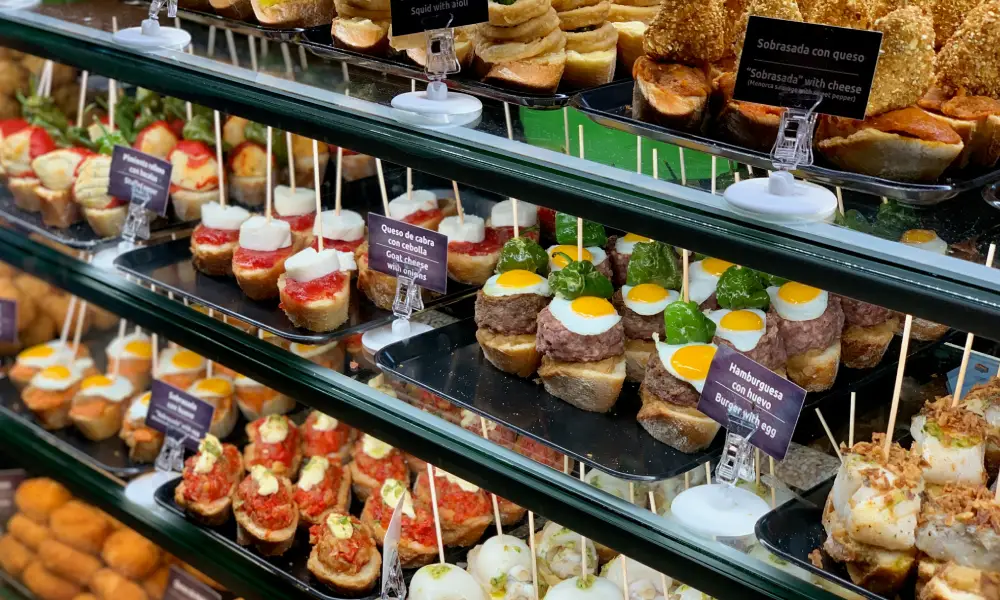
Bilbao’s culinary scene rivals any Spanish city. The Basque tradition of pintxos elevates casual dining to an art form. Therefore, visitors experience exceptional gastronomic adventures.

The Casco Viejo (Old Quarter) concentrates dozens of pintxos bars within walking distance. Each bar specializes in unique creations. Furthermore, they combine traditional Basque ingredients with innovative techniques.

The Mercado de la Ribera showcases exceptional Basque produce. Guinness World Records recognizes it as the world’s largest covered market. Fresh seafood from the Bay of Biscay creates the foundation for celebrated regional gastronomy.

Modern Infrastructure and Accessibility

Bilbao’s efficient metro system connects all major districts. Norman Foster designed this architectural attraction. The distinctive glass entrance pavilions provide weather protection while creating elegant urban landmarks.

The Metro Bilbao extends to coastal towns. Thus, it makes beach excursions easily accessible for visitors and residents.

The revitalized waterfront features contemporary architecture and riverside parks. Santiago Calatrava’s iconic Zubizuri Bridge adds architectural beauty. Evening strolls reveal the city’s industrial heritage through preserved cranes and converted warehouses.

Regional Exploration

Day trips from Bilbao reveal diverse Basque landscapes. The coastal town of Getxo offers beautiful beaches. Additionally, it features the UNESCO World Heritage Vizcaya Bridge.

Guernica provides sobering historical significance. This town was immortalized in Picasso’s famous painting. Consequently, it attracts visitors seeking cultural and historical understanding.

9. San Sebastian: Gastronomic Paradise and Belle Époque Elegance

Must-See Cities in Spain San Sebastian

Quick Stats

Population 186,000
Michelin Stars 16 (highest density globally)
Famous for Pintxos, La Concha Bay, film festival
Best for Food lovers and beach enthusiasts
Peak season July-September

San Sebastian possesses more Michelin stars per capita than any city worldwide. This elegant seaside resort combines world-class gastronomy with pristine beaches. Moreover, it features Belle Époque architecture that creates refined sophistication.

La Concha Bay Beauty

The crescent-shaped La Concha Bay provides Europe’s most beautiful urban beach setting. Golden sand stretches between Monte Urgull and Monte Igueldo. Furthermore, the protected waters remain calm throughout summer months.

The surrounding promenade offers scenic walks. These walks provide mountain and ocean vistas simultaneously. Additionally, the bay setting creates perfect conditions for swimming and water sports.

World-Class Culinary Scene

San Sebastian’s pintxos culture reaches extraordinary heights. Bars in the Parte Vieja (Old Town) serve miniature culinary masterpieces. These creations showcase Basque ingredients and innovative techniques.

The tradition involves moving from bar to bar. Visitors sample specialties paired with local Txakoli wine. Meanwhile, they engage in conversations with locals and fellow travelers.

Three-Michelin-starred restaurants represent the pinnacle of Basque cuisine. Akelarre and Arzak transform traditional recipes through innovative techniques. These establishments require advance reservations but provide unforgettable dining experiences.

Cultural Events and Festivals

The annual San Sebastian International Film Festival transforms the city each September. It attracts Hollywood celebrities and European filmmakers. Consequently, cinema enthusiasts worldwide visit during this glamorous period.

The festival focuses on artistic excellence and cultural diversity. This approach reflects San Sebastian’s sophisticated cultural identity. Furthermore, it establishes the city as a serious cultural destination.

Scenic Viewpoints and Transportation

Monte Igueldo’s funicular railway operates since 1912. It carries visitors to panoramic viewpoints overlooking the Bay of Biscay. Additionally, it offers views of the Pyrenees Mountains in the distance.

The summit features a charming amusement park with vintage rides. Spectacular photo opportunities abound, particularly during sunset. The golden light illuminates the coastline creating magical moments.

San Sebastian’s compact size makes walking the preferred transportation method. Most attractions lie within easy reach of the city center. Pedestrian-friendly streets encourage leisurely exploration and spontaneous discoveries.

8. Granada: Moorish Splendor and Sierra Nevada Majesty

Must-see cities in Spain granada

Quick Stats

Population 232,000
UNESCO Sites Alhambra, Generalife, Albayzín
Famous for Alhambra Palace, flamenco, free tapas
Best for History enthusiasts and culture seekers
Elevation 738 meters above sea level

Granada preserves the most spectacular remnants of Moorish Spain. The legendary Alhambra palace complex represents the pinnacle of Islamic architecture. This UNESCO World Heritage site demonstrates sophisticated artistic achievements of Al-Andalus civilization.

The Magnificent Alhambra

Must-see cities in Spain granada castle

The Alhambra requires advance booking during peak seasons. Daily visitor numbers are strictly limited to preserve delicate architectural details. Furthermore, this limitation maintains the intimate atmosphere of these historic spaces.

The Nasrid Palaces showcase intricate geometric patterns. Muqarnas ceilings and reflecting pools create extraordinary beauty. Additionally, mathematical precision defines every architectural element.

The adjacent Generalife Gardens provide peaceful retreats. Terraced landscapes and fountain courtyards offer panoramic views. These gardens demonstrate Islamic horticultural principles that influenced European design.

Historic Neighborhoods

The historic Albayzín neighborhood preserves medieval street layouts. Narrow cobblestone streets climb hillsides dotted with traditional carmenes. These houses feature private gardens that reflect Moorish traditions.

must see cities in spain granada castle arch

The neighborhood offers numerous miradores providing spectacular Alhambra views. Sunset viewing creates particularly magical experiences. Golden light illuminates the palace walls creating unforgettable moments.

Unique Tapas Culture

Granada’s tapas tradition differs from other Spanish cities. Bars traditionally serve complimentary tapas with every drink order. This custom encourages bar hopping while sampling diverse Andalusian specialties.

Local dishes range from jamón serrano to innovative fusion creations. These creations blend Moorish and contemporary influences. Consequently, visitors experience unique culinary adventures.

Mountain Adventures

The nearby Sierra Nevada mountains provide year-round recreational opportunities. Winter skiing at Europe’s southernmost ski resort attracts snow sports enthusiasts. Summer hiking in Spain’s highest mountain range offers different adventures.

must see cities in spain granada sierra nevadaMountain villages preserve traditional Alpujarran architecture. They also maintain agricultural practices dating back centuries. These authentic rural experiences lie within an hour’s drive of Granada.


Authentic Flamenco Heritage

Flamenco performances in Granada carry particular authenticity. The Sacromonte caves serve as traditional venues. Roma families developed unique styles here over generations.

Cave venues provide intimate settings for experiencing flamenco’s emotional intensity. Visitors learn about cultural significance and historical development simultaneously.

7. Santiago de Compostela: Spiritual Journey and Medieval Splendor

Must-See-Cities-in-Spain-Santiago-de-Compostela

Quick Stats

Population 97,000
UNESCO Status World Heritage City
Famous for Camino pilgrimage, cathedral
Best for Pilgrims and history enthusiasts
Annual pilgrims Over 300,000

Santiago de Compostela serves as the ultimate destination for millions of pilgrims. They complete the Camino de Santiago, one of Christianity’s most important pilgrimage routes. This UNESCO World Heritage city combines profound spiritual significance with exceptional architectural preservation.

The Sacred Cathedral

The magnificent Santiago Cathedral houses the shrine of Saint James. Tradition claims his remains rest beneath the high altar. The cathedral has welcomed pilgrims for over 1,000 years.

must see cities spain Santiago de Compostela cathedral

The Baroque façade conceals a Romanesque interior filled with history. The famous Pórtico de la Gloria represents medieval Europe’s finest sculptural achievement. Furthermore, it continues to inspire visitors from around the world.

Medieval Architecture Preserved

The historic center preserves extraordinary collections of architectural treasures. Romanesque, Gothic, and Baroque buildings constructed from local granite weather beautifully. These stones develop distinctive golden and gray tones over time.

Must-see cities in Spain Santiago de Compostela streets

Pedestrian streets connect plazas lined with arcaded buildings. University faculties, museums, and traditional restaurants specialize in seafood. Additionally, they serve regional wines that reflect Galician traditions.

Pilgrimage Traditions

Pilgrims arrive after completing various Camino routes. They create a constant stream of international visitors. Consequently, this contributes to the city’s cosmopolitan atmosphere throughout the year.

The Pilgrim’s Office issues Compostela certificates. These go to those completing at least 100 kilometers on foot. Medieval traditions established during centuries past continue today.

Galician Culinary Heritage

Galician cuisine showcases exceptional regional seafood. Local specialties include pulpo a la gallega served with paprika. Empanada gallega features savory pies with various fillings.

Percebes represent some of Spain’s most prized culinary delicacies. Local Albariño and Ribeiro wines complement maritime flavors perfectly. These wines reflect Galicia’s distinct viticultural traditions developed over centuries.


Cultural Museums and Education

The Museum of the Galician People preserves regional cultural heritage. Exhibits feature traditional crafts, folk music, and rural architecture. Historical artifacts illustrate Galicia’s Celtic connections and maritime traditions.

Santiago’s university, founded in 1495, maintains its educational importance. Student populations support affordable dining and entertainment venues. Cultural programming keeps the historic center vibrant throughout the year.

6. Toledo: Medieval Time Capsule and Cultural Crossroads

Must-see cities in Spain Toledo city view

Quick Stats

Population 84,000
UNESCO Status Historic City of Toledo
Famous for El Greco, medieval architecture
Best for Day trips from Madrid, history lovers
Distance from Madrid 70 kilometers (45 minutes by train)

Toledo stands as Spain’s most perfectly preserved medieval city. Christian, Islamic, and Jewish cultures coexisted here for centuries. Consequently, they created architectural and artistic legacies that survive largely intact today.

This UNESCO World Heritage site perches dramatically above the Tagus River. Its silhouette remains unchanged for hundreds of years. Furthermore, it’s instantly recognizable from El Greco’s famous paintings.

Magnificent Gothic Architecture

The Toledo Cathedral represents one of Spain’s most magnificent Gothic structures. It houses extraordinary art collections including works by El Greco, Goya, and Velázquez. Additionally, priceless religious artifacts accumulated over centuries fill its halls.

Must-see cities in Spain Toledo cathedral

The cathedral’s treasury displays the massive 16th-century Custodia de Arfe. This goldsmithing masterpiece appears in Corpus Christi processions. Therefore, it continues centuries-old religious traditions.

El Greco’s Artistic Legacy

El Greco’s artistic legacy permeates Toledo completely. The master painter lived and worked here during his most productive period. The Museo de Santa Cruz houses the world’s finest El Greco collection.

His former residence and the Church of Santo Tomé display additional masterpieces. “The Burial of the Count of Orgaz” remains particularly famous. Visitors experience these works in their original cultural context.

Jewish Heritage Preserved

The Jewish Quarter preserves two historic synagogues. They survived the 1492 expulsion, providing insight into Sephardic Jewish life. This period represented Toledo’s golden age of cultural tolerance.

The Santa María la Blanca synagogue showcases Mudéjar architecture. Meanwhile, the Synagogue of El Tránsito houses a museum dedicated to Sephardic culture. These sites demonstrate the city’s multicultural heritage.

Traditional Craftsmanship

Traditional sword-making and damascene crafts continue in family workshops. These have operated for generations using ancient techniques. Mariano Zamorano and other master craftsmen welcome visitors.

Must-see cities in Spain Toledo streets

Visitors observe ancient techniques while craftsmen create decorative items and functional blades. Toledo maintains its reputation for metalworking excellence established centuries ago.


Literary Connections

The Don Quixote Route connects Toledo with La Mancha locations. These areas are associated with Cervantes’ masterpiece. Visitors explore windmills, rural villages, and landscapes that inspired literature’s most famous knight-errant.

Regional specialties include Manchego cheese and local wines. These complement the literary journey through Spain’s most beloved fictional landscape.

Accessibility from Madrid

Toledo’s proximity to Madrid makes it an ideal day trip destination. High-speed AVE trains complete the journey in just 33 minutes. However, staying overnight allows visitors to experience magical evening atmosphere.

Must-See Cities in Spain Toledo old streets

Tourist crowds diminish after dark, and medieval ambiance becomes more pronounced. The Alcázar of Toledo provides excellent views and houses the Army Museum with extensive military collections.

5. Valencia: Modern Innovation Meets Ancient Traditions

Must-See Cities in Spain Valencia city

Quick Stats

Population 790,000
UNESCO Recognition Silk Exchange, Valencia Cathedral
Famous dish Paella Valenciana
Best for Families and young professionals
Climate Mediterranean, 300+ sunny days

Valencia perfectly balances its role as Spain’s third-largest city with relaxed Mediterranean atmosphere. The city seamlessly combines cutting-edge architecture with over 2,000 years of history. Consequently, Roman ruins coexist with futuristic structures throughout the urban landscape.

Architectural Marvels

The spectacular City of Arts and Sciences complex represents Valencia’s commitment to innovation. Santiago Calatrava designed this architectural masterpiece. It houses an opera house, science museum, planetarium, and Europe’s largest aquarium.

Must-See Cities in Spain Valencia city arts sciences

The complex serves as both a cultural destination and symbol of progress. Valencia’s forward-thinking approach to urban development attracts visitors worldwide. Furthermore, it establishes the city as a modern cultural center.

Authentic Paella Heritage

Valencia is the birthplace of paella, and takes its culinary heritage seriously. Traditional restaurants serve authentic paella Valenciana made with rabbit, beans, and saffron. This differs significantly from seafood variations found elsewhere.

Must-See Cities in Spain Valencia paella

The dish tastes incomparably better in its homeland. Local chefs use traditional techniques and finest regional ingredients. Central Market showcases exceptional produce from Valencia’s fertile countryside.

Coastal Lifestyle

Valencia’s beaches stretch for miles along the Mediterranean coast. Metro connections provide direct access from the city center. Playa de la Malvarosa and Playa de las Arenas offer urban beach experiences.

Must-See Cities in Spain Valencia beach walk

Nearby Playa del Saler provides more natural settings. It lies within the protected Albufera Natural Park. The pleasant climate, with over 300 sunny days annually, makes beach activities possible year-round.

Historic Treasures

The city’s historic center preserves remarkable architectural treasures. The Valencia Cathedral houses what tradition claims to be the Holy Grail. Additionally, the stunning Silk Exchange (La Lonja) demonstrates Valencia’s historical importance as a Mediterranean trading center.

Must-See Cities in Spain Valencia cathedral

This UNESCO World Heritage site showcases Gothic civil architecture. Moreover, it reflects the city’s prosperous medieval period when silk trading flourished.

Technology and Innovation Hub

Valencia’s growing reputation as a technology hub attracts young professionals from across Europe. Excellent universities and research centers contribute to an atmosphere of innovation. The city hosts major international conferences and trade shows.

Startup incubators and co-working spaces support entrepreneurial ventures. These range from biotechnology to renewable energy projects. Consequently, Valencia appeals to digital nomads and tech workers.


Famous Las Fallas Festival

The famous Las Fallas festival transforms Valencia every March. It becomes the world’s largest outdoor art exhibition. Neighborhoods compete to create enormous sculptural installations. These are ceremonially burned on the final night.

This UNESCO-recognized celebration demonstrates the city’s commitment to artistic expression. Community participation defines the festival’s character. Year-round workshops prepare for the annual spectacular event.

Sustainable Transportation

Valencia’s public transportation system includes metro, buses, and innovative bike-sharing programs. The Valenbisi system makes car ownership unnecessary for residents. The Valencia Metro efficiently connects all major districts.

Must-See Cities in Spain Valencia oranges

The system extends to coastal areas, facilitating beach access. Dedicated bike lanes throughout the city encourage sustainable transportation. Furthermore, this infrastructure supports Valencia’s environmental goals.

Family-Friendly Environment

Valencia offers exceptional education options for families considering relocation. International schools and prestigious universities provide excellent opportunities. The city’s parks and recreational facilities offer ample outdoor activities.

Cultural institutions provide diverse programming for all ages. Housing costs remain significantly lower than Barcelona or Madrid. Nevertheless, Valencia provides comparable amenities and quality of life.

4. Seville: Andalusian Soul and Flamenco Heritage

Must-see cities in Spain seville cathedral view

Quick Stats

Population 688,000
UNESCO Sites Cathedral, Alcázar, Archive of Indies
Famous for Flamenco and Semana Santa
Best for Culture enthusiasts and history lovers
Climate Mediterranean, hot summers

Seville embodies the romantic spirit that defines Andalusia. Magnificent Moorish palaces share the spotlight with the world’s largest Gothic cathedral. Additionally, flamenco music drifts from courtyards lined with orange trees.

This enchanting capital of southern Spain offers authentic traditional Spanish life. It showcases architectural treasures representing over 1,000 years of cultural fusion. Consequently, visitors experience Spain’s most romantic atmosphere.

World’s Largest Gothic Cathedral

The Seville Cathedral stands as the world’s largest Gothic cathedral. It houses Christopher Columbus’s tomb and the famous Giralda tower. Originally, this tower served as a minaret during the Islamic period.

Climbing the tower’s ramps rewards visitors with spectacular views. These ramps were designed for horses rather than stairs. Furthermore, they provide panoramic vistas over Seville’s historic center and the Guadalquivir River.

Magnificent Royal Alcázar

The Royal Alcázar of Seville represents Europe’s most beautiful palace complex. Islamic, Christian, and Renaissance architectural elements create extraordinary beauty. The palace gardens provide peaceful refuges filled with fountains and pavilions.

Carefully planned vistas have inspired visitors for centuries. Advance booking is essential, particularly during peak tourist seasons. Therefore, planning ahead ensures entry to this UNESCO World Heritage site.

Authentic Flamenco Heritage

Seville’s flamenco heritage runs deeper than any other Spanish city. Authentic performances take place in intimate tablaos throughout the week. Additionally, neighborhood bars host spontaneous flamenco sessions.

Must-see cities in Spain seville flamenco

The Triana district traditionally housed Roma families who developed modern flamenco. The area preserves the art form’s most authentic expressions. Moreover, it welcomes visitors seeking to understand this passionate musical tradition.

Spectacular Festival Calendar

The city’s festival calendar reaches extraordinary heights during Semana Santa (Holy Week). The Feria de Abril provides another spectacular celebration. Holy Week processions transform streets into moving religious theater.

Must-see cities in Spain seville city

Elaborate floats are carried by costumed brotherhoods. Thousands of spectators line the processional routes. The April Fair creates a temporary city of decorated casetas (tents) where Sevillanos celebrate with traditional dress and horses.

Exceptional Tapas Culture

Seville’s tapas culture encourages leisurely social dining. Neighborhoods like Alameda de Hércules concentrate excellent bars. The historic center offers both traditional and innovative small plates.

Local specialties include jamón ibérico from nearby Jabugo. Gazpacho andaluz provides refreshing summer relief. Pescaíto frito reflects the city’s connection to nearby coastal areas.

River Setting and Modern Connections

The Guadalquivir River adds another dimension to Seville’s appeal. Riverside walks and boat tours provide recreational opportunities. The modern Triana Bridge connects the historic center with the vibrant Triana neighborhood.

The river brings cooling breezes during hot summer months. Furthermore, it provides scenic beauty and recreational activities year-round.

Affordable Quality of Life

Seville’s relatively affordable cost of living attracts international residents and retirees. The city offers excellent healthcare and good public transportation. Moreover, the pace of life prioritizes personal relationships over constant productivity pressure.

Must-see cities in Spain seville traditional store

Pleasant winter climate makes Seville particularly attractive during cooler months. Therefore, many visitors choose winter stays to avoid extreme summer heat.

3. Málaga: Costa del Sol Gateway and Cultural Renaissance

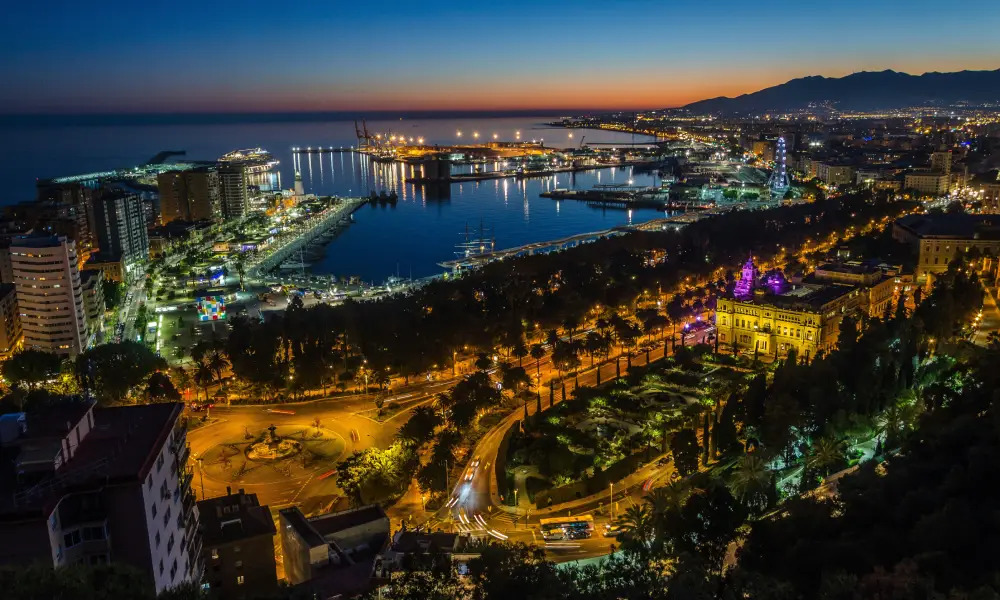
Must-see cities in Spain Malaga centro

Quick Stats

Population 574,000
Airport passengers 20+ million annually
Famous for Picasso’s birthplace, beaches, museums
Best for Beach lovers and art enthusiasts
Annual sunshine 320+ days

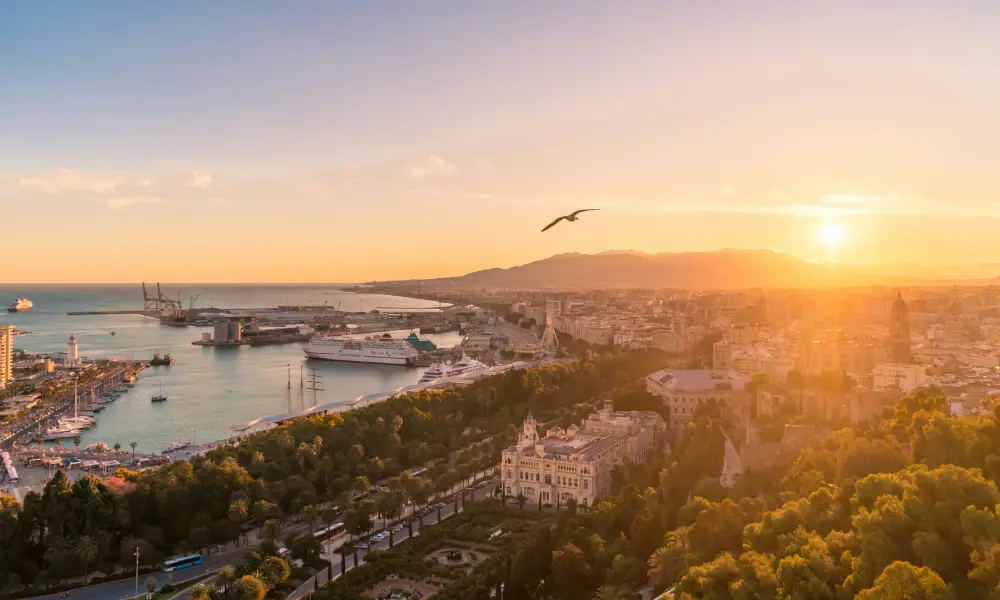
Málaga has transformed from a simple beach destination into Spain’s most dynamic cultural center. It maintains its appeal as the Costa del Sol gateway. This Mediterranean port city combines world-class museums with pristine beaches.

Must-see cities in Spain Malaga city hall

Exceptional dining and year-round sunshine attract tourists and expatriate residents. Affordable living costs make it particularly appealing. Consequently, many people seek quality Mediterranean lifestyles here.

Picasso’s Cultural Legacy

Pablo Picasso’s birthplace celebrates its most famous son comprehensively. The Museo Picasso Málaga houses over 200 works spanning his entire career. The museum occupies the beautifully restored Buenavista Palace.

Must-see cities in Spain Malaga picasso museum

Intimate settings allow visitors to experience Picasso’s evolution. Traditional techniques evolved into revolutionary modern art movements. Furthermore, visitors see these changes in their original Andalusian context.

Historic Fortifications

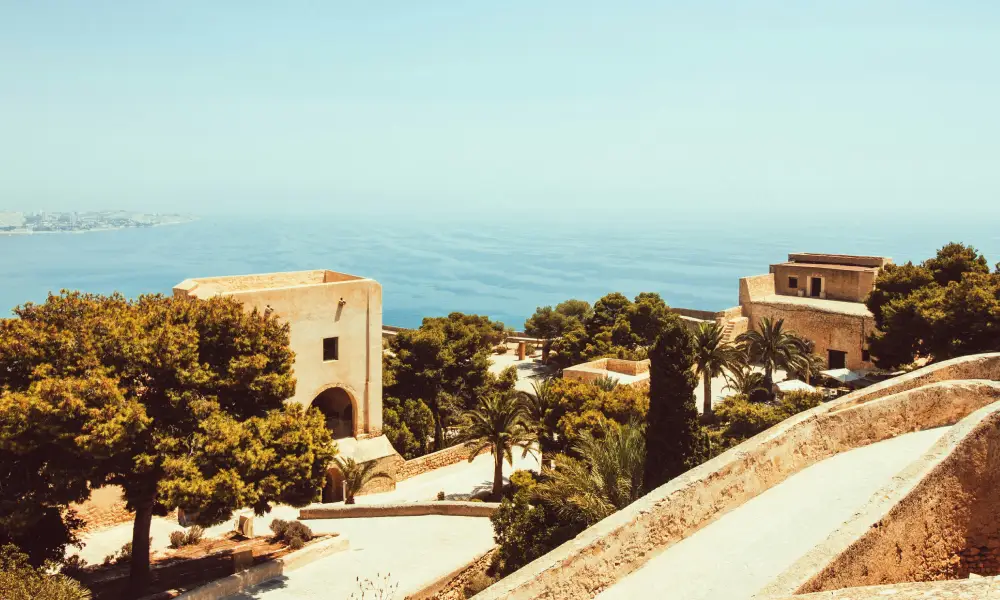
The historic Alcazaba fortress complex showcases Islamic military architecture. Terraced gardens, fountains, and defensive walls protected Málaga’s harbor for over 1,000 years.

Must-see cities in Spain Malaga puerto port

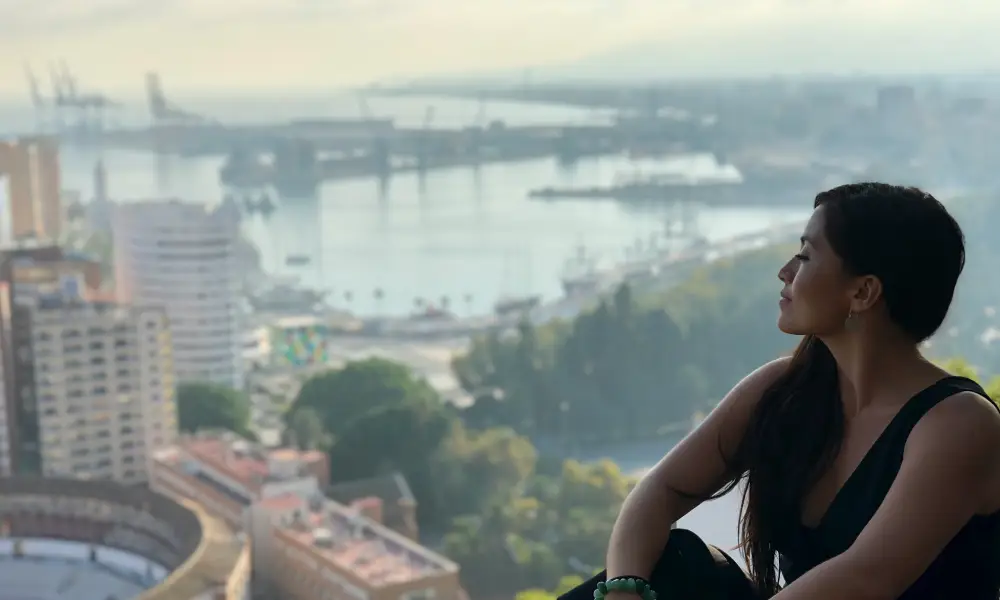
Connected pathways lead to the hilltop Gibralfaro Castle. These paths offer panoramic views over the Mediterranean coastline. Additionally, they provide vistas of the bustling port below.

Museum Renaissance

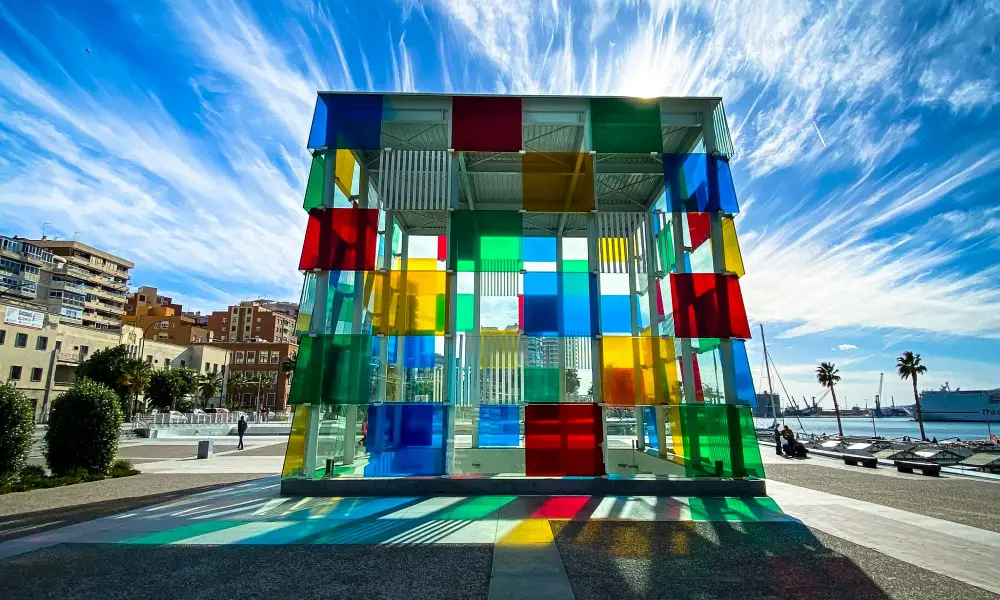
Málaga’s cultural renaissance includes several striking museums. The Carmen Thyssen Museum occupies a renovated 16th-century palace. The contemporary Centre Pompidou Málaga represents the first international branch of Paris’s famous modern art museum.

These institutions establish Málaga as a serious cultural destination. They extend the city’s appeal beyond traditional beach tourism. Moreover, they attract art enthusiasts from around the world.

Urban and Natural Beaches

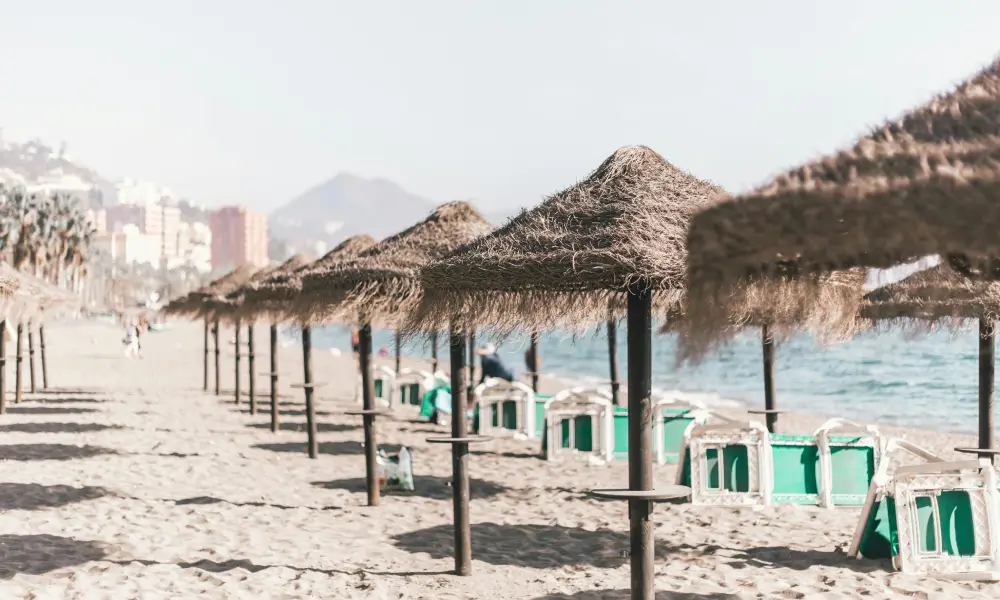
The city’s beaches extend from urban Playa de la Malagueta to more natural settings. Playa de la Malagueta provides easy access on foot from the historic center. Playa de Pedregalejo and El Palo offer traditional fishing boat atmospheres.

These beaches feature family-run chiringuitos serving fresh seafood and paella. Traditional fishing boats rest on sandy shores between these beach restaurants. Therefore, visitors experience authentic Andalusian coastal culture.

Maritime Gastronomy

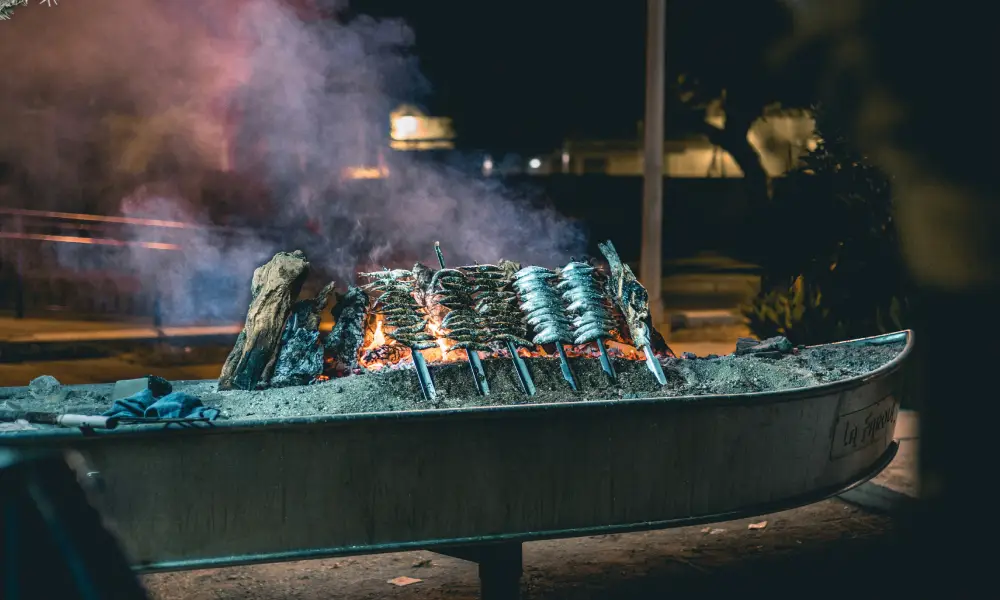
Málaga’s gastronomy reflects both maritime location and Andalusian heritage. Specialties include espetos de sardinas (grilled sardines) cooked over beach fires. Gazpacho provides refreshing relief from summer heat.

Must-see cities in Spain Malaga beach food

Sweet Málaga wines have been produced in surrounding hills for centuries. The Atarazanas Market showcases exceptional local produce. The 19th-century iron and glass structure maintains architectural beauty while housing fresh food vendors.

Excellent Connectivity

The pedestrian-friendly historic center concentrates attractions within walking distance. Efficient public transportation connects outlying beaches and suburban areas. Málaga’s airport ranks among Spain’s busiest.

Must-see cities in Spain Malaga city center

International connections make the city easily accessible for short visits and permanent relocation. Therefore, many international residents choose Málaga for its convenience and lifestyle benefits.

Regional Day Trips

Day trips from Málaga explore diverse Andalusian attractions. The dramatic El Caminito del Rey walkway winds through limestone gorges. Whitewashed villages of the Sierra de las Nieves provide mountain experiences.

Must-see cities in Spain Malaga.webp caminito del rey

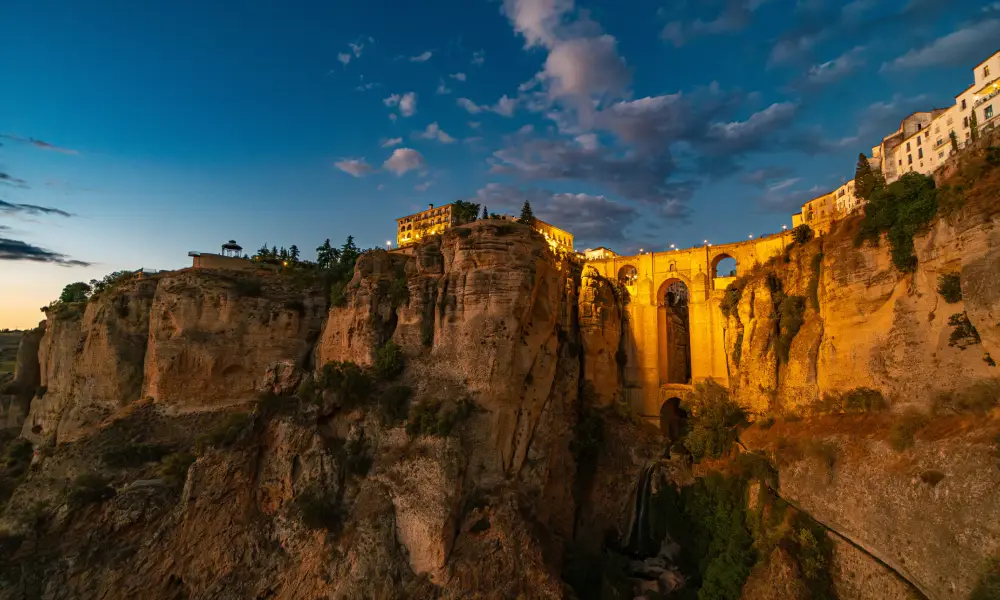
The nearby resort town of Marbella offers upscale shopping and dining. Ronda provides spectacular mountain scenery and historic bullfighting traditions. Each destination offers unique perspectives on Andalusian culture.

International Community

Málaga’s growing international community creates a cosmopolitan atmosphere. The city welcomes visitors and new residents from around the world. Excellent healthcare facilities and international schools support diverse populations.

Cultural programming caters to various interests and backgrounds. Nevertheless, the city maintains its distinctly Andalusian character. For those considering relocating to Spain, Málaga provides ideal combinations of climate, culture, and connectivity.

2. Barcelona: Catalonian Capital and Architectural Marvel

must see cities barcelona

Quick Stats

Population 1.6 million
UNESCO Sites 9 Gaudí buildings
Famous for Gaudí architecture, beaches, nightlife
Best for Architecture lovers and beach enthusiasts
Annual visitors 30+ million

Barcelona captivates visitors with unique blends of architectural styles. Gothic medieval architecture combines with revolutionary Modernist masterpieces. Additionally, vibrant Mediterranean beaches complement distinctly Catalonian culture that sets it apart from the rest of Spain.

This cosmopolitan metropolis balances preservation with contemporary design. Ancient Roman walls coexist with avant-garde architecture throughout the city. Traditional markets thrive alongside innovative restaurants in this dynamic urban environment.

Gaudí’s Architectural Legacy

Antoni Gaudí’s architectural legacy defines Barcelona’s most iconic attractions. The awe-inspiring Sagrada Família basilica continues construction more than 140 years after it began. This UNESCO World Heritage site combines Gothic and Art Nouveau forms.

Gaudí’s distinctive organic style features facades telling biblical stories. Intricate stone carvings create educational narratives. Interior spaces evoke sacred forests through innovative design approaches.

Must-see cities in Spain barcelona gaudi

The whimsical Park Güell showcases Gaudí’s integration of architecture with natural landscapes. Colorful mosaic benches and gingerbread-house pavilions create fairytale atmospheres. The famous salamander sculpture overlooks the city and Mediterranean Sea.

Historic Gothic Quarter

Barcelona’s Gothic Quarter preserves Europe’s most complete medieval city centers. Narrow stone streets lead to hidden plazas and ancient churches. Remnants of Roman Barcino provide historical foundation layers.

Must-see cities in Spain barcelona gothic quarter

The Barcelona Cathedral features soaring spires and peaceful cloisters. White geese inhabit the cloister, continuing centuries-old traditions. The cathedral provides spiritual centers for historic neighborhood exploration.

Vibrant Street Life

Las Ramblas connects Plaça de Catalunya with the historic port. This famous boulevard passes the vibrant Boqueria Market where vendors sell diverse products. Fresh seafood, Iberian ham, exotic fruits, and local specialties create sensory experiences.

Must-see cities in Spain barcelona street life

Although touristy, Las Ramblas maintains its role as Barcelona’s cultural artery. Evening paseos attract locals and visitors alike. The pedestrian promenade encourages social interaction and urban exploration.

Modernist Architecture District

The Eixample district contains the world’s highest concentration of Art Nouveau buildings. Gaudí’s Casa Batlló and Casa Milà (La Pedrera) demonstrate revolutionary residential design approaches.

Must-see cities in Spain barcelona modern architecture

The neighborhood’s grid layout creates famous “blocks of discord”. Competing Modernist architects showcased their most ambitious domestic projects here. Consequently, visitors experience architectural innovation at every turn.

Urban Beach Culture

Barcelona’s beaches were created for the 1992 Olympics. They provide urban seaside experiences within walking distance of the city center. Barceloneta Beach offers traditional beach activities.

Must-see cities in Spain barcelona beach

Chiringuitos serve paella and fresh seafood along the shoreline. Nova Icària and Bogatell beaches attract younger crowds and beach sports enthusiasts. Therefore, visitors enjoy diverse coastal experiences without leaving the urban environment.

Innovative Culinary Scene

The city’s culinary scene ranges from traditional Catalonian cuisine to innovative fine dining. Traditional specialties include pa amb tomàquet (bread with tomato) and crema catalana. These complement contemporary creative restaurants earning international recognition.

Must-see cities in Spain barcelona food

The Born and Gràcia neighborhoods concentrate excellent restaurants, bars, and cafes. They showcase both local traditions and contemporary creativity. Furthermore, these areas provide authentic neighborhood dining experiences.

Comprehensive Transportation

Barcelona’s efficient public transportation includes metro, buses, and suburban trains. All major attractions connect through integrated networks. The comprehensive transport system makes car ownership unnecessary.

Must-see cities in Spain barcelona transport

Residents and tourists enjoy convenient access to different neighborhoods and attractions. Therefore, urban mobility enhances the Barcelona experience significantly.

Dynamic Nightlife

The city’s vibrant nightlife extends from sophisticated cocktail bars to beach clubs. The Born district features elegant evening venues. Beach clubs along the Mediterranean coast provide different atmospheres.

Must-see cities in Spain barcelona night

Live music venues showcase everything from traditional flamenco to electronic music. Barcelona’s clubs often open after midnight, reflecting Spanish social rhythms. Late-night socializing defines the city’s cultural character.

Regional Day Trips

Day trips from Barcelona reveal diverse Catalonian landscapes. The medieval monastery of Montserrat perches dramatically in serrated mountains. The coastal town of Sitges offers beaches, museums, and vibrant carnival celebrations.

must see cities barcelona monastery of Montserrat

High-speed trains connect Barcelona with major Spanish cities efficiently. Low-cost airlines provide access to European destinations. Consequently, Barcelona serves as an excellent base for broader exploration.

1. Madrid: Spain’s Majestic Capital and Cultural Heart

must see cities madrid.webp

Quick Stats

Population 3.3 million
Metro area 6.7 million
Famous for Prado Museum, Royal Palace, nightlife
Best for Art lovers and culture enthusiasts
Elevation 650 meters (highest capital in Europe)

Madrid stands as Spain’s magnificent capital and cultural epicenter. World-renowned art museums house masterpieces by Velázquez, Goya, and Picasso. Additionally, grand boulevards connect royal palaces with vibrant neighborhoods that never seem to sleep.

This cosmopolitan metropolis combines imperial grandeur with contemporary innovation. Habsburg architecture coexists with modern business districts throughout the urban landscape. Traditional tabernas share streets with cutting-edge restaurants in this dynamic capital city.

World-Class Art Museums

The legendary Prado Museum houses the world’s finest collection of Spanish painting. Velázquez’s “Las Meninas” represents the pinnacle of artistic achievement. Goya’s dark paintings and works by El Greco, Murillo, and Zurbarán define Spain’s Golden Age of art.

must see cities madrid Prado Museum

Recent expansion and renovation create optimal viewing conditions. Millions of visitors make annual pilgrimages to see these masterpieces. Therefore, advance booking ensures entry during peak periods.

Royal Palace Magnificence

The Royal Palace of Madrid represents Europe’s most opulent royal residences. Over 3,000 rooms showcase centuries of artistic treasures. Stradivarius instruments and frescoes by Tiepolo fill magnificent halls.

Must-see cities in Spain madrid royal palace

Although the royal family no longer resides here, the palace serves as the official residence. State ceremonies maintain Spain’s monarchical traditions. Furthermore, public tours reveal extraordinary artistic collections.

Golden Triangle of Art

The famous Golden Triangle of Art encompasses three world-class museums within walking distance. The Prado, Reina Sofía, and Thyssen-Bornemisza create concentrated cultural experiences.

Must-see cities in Spain Madrid street painter

The Reina Sofía houses Picasso’s “Guernica” alongside works by Dalí and Miró. The Thyssen-Bornemisza fills gaps in Spanish collections with impressionist and modern masterpieces. Consequently, art enthusiasts experience comprehensive artistic surveys.

Urban Green Spaces

Retiro Park provides a green oasis in Madrid’s heart. Tree-lined paths lead to the stunning Crystal Palace. Rose gardens and artificial lakes offer peaceful retreats from urban energy.

Must-see cities in Spain Madrid green parks

Visitors rent rowboats on the park’s lake during warm weather. The park hosts outdoor concerts and art exhibitions throughout the year. Therefore, it serves as Madrid’s most beloved public space for locals and tourists.

Exceptional Culinary Scene

Madrid’s culinary scene encompasses traditional Castilian cuisine and innovative restaurants earning Michelin stars. Centenarian tavernas serve authentic regional specialties. The Mercado de San Miguel offers gourmet tapas in beautiful early 20th-century architecture.

Must-see cities in Spain Madrid food

Traditional neighborhoods preserve authentic tabernas where families serve jamón ibérico and cocido madrileño. Local wines complement regional dishes perfectly. Furthermore, these establishments maintain centuries-old culinary traditions.

Legendary Nightlife Culture

The city’s legendary nightlife begins late and continues until dawn. Neighborhoods like Malasaña and Chueca offer diverse evening venues. Intimate cocktail bars contrast with massive clubs attracting international DJs.

must see cities madrid nightlife.webp

Madrid’s “movida” culture celebrates late-night socializing and artistic expression. Live music and cultural events keep the city energetic throughout the week. Therefore, visitors experience Spain’s most dynamic nightlife scene.

Historic Gran Vía

Gran Vía represents Madrid’s most famous shopping and entertainment boulevard. Early 20th-century architecture houses theaters, cinemas, and restaurants. Flagship stores create excellent shopping experiences along this historic avenue.

Must-see cities in Spain Madrid gran via

The avenue connects the historic center with modern business districts. It showcases Madrid’s evolution from imperial capital to contemporary European metropolis. Furthermore, it demonstrates architectural progression through different historical periods.

Central Puerta del Sol

The Puerta del Sol serves as Madrid’s geographic and symbolic center. Kilometer Zero marks the starting point for Spain’s national road system. The square hosts New Year’s celebrations broadcast throughout Spanish-speaking countries.

Nearby streets concentrate shopping, dining, and cultural attractions within the historic center. Therefore, Puerta del Sol provides excellent orientation for urban exploration.

Excellent Transportation Networks

Madrid’s comprehensive public transportation includes metro, buses, and suburban trains. The extensive network connects all neighborhoods and surrounding towns. Car ownership becomes unnecessary while providing convenient access to attractions.

Must-see cities in Spain Madrid transport

Airports and high-speed rail connections link Madrid with other Spanish cities. European destinations remain easily accessible through excellent transport infrastructure. Consequently, Madrid serves as Spain’s primary transportation hub.

Diverse Day Trip Options

Day trips from Madrid explore diverse Castilian landscapes and historic cities. The medieval walls of Ávila provide UNESCO World Heritage experiences. The Roman aqueduct of Segovia demonstrates ancient engineering achievements.

Must-see cities in Spain madrid day trip toledo

Toledo, Aranjuez, and El Escorial offer easy escapes from urban life. Each destination showcases different aspects of Spanish history and culture. For Americans planning extended stays, understanding climate variations helps, including whether it snows in Spain during winter months.

Capital City Advantages

Madrid’s role as Spain’s political, economic, and cultural capital ensures constant international activity. The city hosts major art fairs, fashion weeks, and international conferences. It maintains its reputation as Europe’s most livable capital cities.

Must-see cities in Spain Madrid street

International visitors, business travelers, and cultural events create dynamic urban energy. For visitors interested in Spanish social customs, learning traditions such as how to say cheers in Spain enhances social interactions and cultural appreciation.

Madrid

Population: 3.3M

Climate: Continental

Main Attractions: Prado, Royal Palace

Best For: Culture & Art

Cost Level: High

Barcelona

Population: 1.6M

Climate: Mediterranean

Main Attractions: Sagrada Família, Beaches

Best For: Architecture

Cost Level: High

Málaga

Population: 574K

Climate: Mediterranean

Main Attractions: Picasso Museum, Beaches

Best For: Beach & Culture

Cost Level: Medium

Seville

Population: 688K

Climate: Mediterranean

Main Attractions: Cathedral, Alcázar

Best For: History

Cost Level: Medium

Valencia

Population: 790K

Climate: Mediterranean

Main Attractions: City of Arts, Paella

Best For: Families

Cost Level: Medium

Toledo

Population: 84K

Climate: Continental

Main Attractions: Medieval Center

Best For: History

Cost Level: Low

Santiago de Compostela

Population: 97K

Climate: Oceanic

Main Attractions: Cathedral, Camino

Best For: Pilgrims

Cost Level: Medium

Granada

Population: 232K

Climate: Mediterranean

Main Attractions: Alhambra, Flamenco

Best For: History

Cost Level: Low

San Sebastian

Population: 186K

Climate: Oceanic

Main Attractions: Beaches, Michelin Stars

Best For: Food Lovers

Cost Level: High

Bilbao

Population: 346K

Climate: Oceanic

Main Attractions: Guggenheim, Pintxos

Best For: Art & Food

Cost Level: Medium

Planning Your Spanish Adventure

Spain’s diverse cities offer experiences catering to every type of traveler. Art enthusiasts seek masterpieces in world-class museums. Meanwhile, beach lovers pursue Mediterranean sunshine and relaxation.

The country’s excellent transportation infrastructure includes high-speed AVE trains and comprehensive domestic flight networks. Consequently, visitors can explore multiple cities during single trips. Each destination offers distinct character and unique experiences.

Festival Timing and Cultural Events

Consider timing your visit to coincide with Spain’s spectacular festivals. Valencia’s Las Fallas occurs in March, creating extraordinary artistic displays. Seville’s Semana Santa during Easter provides deeply moving religious experiences.

San Sebastian’s International Film Festival takes place each September. These celebrations provide authentic cultural experiences while showcasing local traditions. Furthermore, they demonstrate customs preserved for centuries.

Practical Travel Considerations

For practical planning, ensure you understand entry requirements. Consider whether you need a visa to visit Spain based on your nationality and intended length of stay.

Spain offers exceptional value for money compared to other European destinations. World-class cultural attractions, outstanding cuisine, and diverse landscapes provide unforgettable experiences. Therefore, Spain suits both short city breaks and extended cultural explorations.

Spain City Comparison Chart

City Population Climate Main Attractions Best For Cost Level
Madrid 3.3M Continental Prado Museum, Royal Palace Culture & Art High
Barcelona 1.6M Mediterranean Sagrada Família, Beaches Architecture High
Málaga 574K Mediterranean Picasso Museum, Beaches Beach & Culture Medium
Seville 688K Mediterranean Cathedral, Alcázar History Medium
Valencia 790K Mediterranean City of Arts, Paella Families Medium
Toledo 84K Continental Medieval Center History Low
Santiago 97K Oceanic Cathedral, Camino Pilgrims Medium
Granada 232K Mediterranean Alhambra, Flamenco History Low
San Sebastian 186K Oceanic Beaches, Michelin Stars Food Lovers High
Bilbao 346K Oceanic Guggenheim, Pintxos Art & Food Medium

Madrid

Population:3.3M
Climate:Continental
Main Attractions:Prado Museum, Royal Palace
Best For:Culture & Art
Cost Level:High

Barcelona

Population:1.6M
Climate:Mediterranean
Main Attractions:Sagrada Família, Beaches
Best For:Architecture
Cost Level:High

Málaga

Population:574K
Climate:Mediterranean
Main Attractions:Picasso Museum, Beaches
Best For:Beach & Culture
Cost Level:Medium

Seville

Population:688K
Climate:Mediterranean
Main Attractions:Cathedral, Alcázar
Best For:History
Cost Level:Medium

Valencia

Population:790K
Climate:Mediterranean
Main Attractions:City of Arts, Paella
Best For:Families
Cost Level:Medium

Toledo

Population:84K
Climate:Continental
Main Attractions:Medieval Center
Best For:History
Cost Level:Low

Santiago de Compostela

Population:97K
Climate:Oceanic
Main Attractions:Cathedral, Camino
Best For:Pilgrims
Cost Level:Medium

Granada

Population:232K
Climate:Mediterranean
Main Attractions:Alhambra, Flamenco
Best For:History
Cost Level:Low

San Sebastian

Population:186K
Climate:Oceanic
Main Attractions:Beaches, Michelin Stars
Best For:Food Lovers
Cost Level:High

Bilbao

Population:346K
Climate:Oceanic
Main Attractions:Guggenheim, Pintxos
Best For:Art & Food
Cost Level:Medium


Frequently Asked Questions About Spanish Cities

What is the best time to visit Spain’s major cities?
The optimal time varies by region. Madrid and central Spain are best visited in spring (April-June) and fall (September-November) to avoid extreme summer heat. Coastal cities like Barcelona, Valencia, and Málaga are pleasant year-round, though July-August can be crowded. Northern cities like Bilbao and San Sebastian are ideal from May through October when rainfall is minimal.
How many days should I spend in each Spanish city?
Madrid and Barcelona each deserve 3-4 days minimum to cover major attractions. Seville, Valencia, and Granada need 2-3 days each. Smaller cities like Toledo can be seen in a full day trip from Madrid, while San Sebastian and Bilbao are perfect for 2-day visits. Plan longer stays if you want to explore surrounding areas or attend festivals.
Do I need to speak Spanish to visit these cities?
Basic Spanish phrases are helpful but not essential in major tourist areas. Barcelona has significant Catalan signage alongside Spanish. English is widely spoken in tourist zones, hotels, and restaurants in all major cities. Learning simple greetings and common expressions like how to say cheers enhances your experience and shows respect for local culture.
What are the transportation options between Spanish cities?
Spain has excellent high-speed AVE trains connecting Madrid with Barcelona (2.5 hours), Seville (2.5 hours), Valencia (1.5 hours), and other major cities. Regional trains serve smaller destinations. Domestic flights are affordable for longer distances. Rental cars provide flexibility for exploring rural areas, though understanding local rental practices is helpful.
How much should I budget for visiting Spanish cities?
Daily budgets vary significantly: Madrid and Barcelona are most expensive (€80-150 per day), while cities like Granada and Toledo are very affordable (€40-80 per day). Mid-range cities like Valencia, Seville, and Málaga fall in between (€60-100 per day). These estimates include accommodation, meals, attractions, and local transportation.
Is tipping expected in Spanish restaurants and cafes?
Tipping is not mandatory in Spain but is appreciated for good service. Spanish tipping etiquette suggests leaving 5-10% at restaurants for excellent service, rounding up bills at cafes, and small tips for hotel staff and taxi drivers. Service charges are typically included in restaurant bills.
Which Spanish city has the best food scene?
San Sebastian leads globally with the highest concentration of Michelin-starred restaurants per capita. Madrid offers the most diverse dining scene, from traditional tabernas to innovative cuisine. Valencia is essential for authentic paella. Seville excels in traditional Andalusian cuisine. Barcelona combines Catalan specialties with international influences. Each city offers unique culinary experiences worth exploring.
Are Spanish cities safe for tourists?
Spanish cities are generally very safe with low violent crime rates. Petty theft and pickpocketing can occur in tourist areas, particularly in Barcelona and Madrid. Stay alert in crowded places, secure valuables, and avoid displaying expensive items. Emergency services are excellent, and most areas are safe to walk at night. Use common sense precautions as in any major city.
What should I know about Spanish meal times?
Spanish meal times are later than most countries: lunch is typically 2-4 PM, dinner starts around 9-10 PM. Many restaurants close between lunch and dinner (4-8 PM). Breakfast is light, often just coffee and pastries. Tapas culture encourages eating small plates throughout the evening. Plan activities around these meal schedules to avoid hunger when restaurants are closed.
Do I need advance bookings for major attractions?
Yes, many top attractions require advance booking: Alhambra in Granada, Sagrada Família and Park Güell in Barcelona, Prado and Royal Palace in Madrid. Book weeks or months ahead during peak season (June-September). Some venues offer limited same-day tickets, but advance planning ensures entry and often provides better prices.
Which Spanish cities are best for families with children?
Valencia excels for families with beaches, City of Arts and Sciences, and family-friendly atmosphere. Barcelona offers beaches, parks, and engaging architecture. Madrid has excellent parks, museums with children’s programs, and cultural activities. Seville provides manageable size with fascinating history. San Sebastian combines beaches with safe, walkable streets.
What are the best day trips from each major city?
From Madrid: Toledo, Segovia, El Escorial, Aranjuez. From Barcelona: Montserrat, Sitges, Girona, Costa Brava beaches. From Seville: Córdoba, Ronda, Jerez, Cádiz. From Valencia: Albufera Natural Park, Cullera, Xàtiva. From Granada: Sierra Nevada, Las Alpujarras villages. Each offers unique landscapes and cultural experiences within 1-2 hours travel.
Is it better to rent a car or use public transportation?
Public transportation is excellent in Spanish cities with efficient metro, bus, and tram systems. Cars are unnecessary and often problematic in city centers due to traffic, parking difficulties, and pedestrian zones. Rent cars for exploring rural areas, small towns, or regions with limited public transport. High-speed trains connect major cities faster than driving.
What festivals should I plan my trip around?
Major festivals include: Las Fallas in Valencia (March), Semana Santa in Seville (Easter week), Feria de Abril in Seville (April/May), San Fermín in Pamplona (July), La Tomatina in Buñol near Valencia (August), and various local patron saint festivals throughout summer. Book accommodations well in advance as prices increase and availability decreases during festival periods.
How walkable are Spanish cities?
Spanish cities are highly walkable with extensive pedestrian zones, especially historic centers. Barcelona, Madrid, Seville, and Valencia have excellent walkability with major attractions within reasonable distances. Toledo and Santiago de Compostela are completely walkable. Comfortable walking shoes are essential as many streets are cobblestone or uneven stone.
What weather should I expect in different Spanish regions?
Mediterranean cities (Barcelona, Valencia, Málaga) have mild winters and warm summers with minimal rainfall. Madrid has continental climate with hot summers and cold winters. Northern cities (Bilbao, San Sebastian) have oceanic climate with more rainfall and moderate temperatures. Seville and Granada can be extremely hot in summer. Snow is possible in Madrid and northern regions during winter.
Are credit cards widely accepted in Spanish cities?
Credit cards are widely accepted in restaurants, hotels, shops, and attractions in all major Spanish cities. However, many small bars, local markets, and traditional establishments prefer cash. ATMs are abundant and reliable. Notify your bank of travel plans to avoid card blocks. Contactless payments are increasingly common, especially post-COVID.
What should I pack for visiting Spanish cities?
Pack comfortable walking shoes for cobblestone streets, lightweight layers for variable temperatures, and sun protection year-round. Dress codes are generally casual but avoid beach wear in cities. Bring a light jacket for air conditioning and cooler evenings. Summer visits require sun hats, sunscreen, and breathable clothing. Winter visits to northern cities need warm, waterproof clothing.
How do I get from airports to city centers?
All major Spanish cities have excellent airport connections: Madrid has Metro Line 8 and express buses, Barcelona has train and metro links, Valencia has metro connections, Málaga has train service, and Seville has bus connections. Taxis and ride-sharing services are available but more expensive. Airport transfers typically cost €2-5 and take 20-45 minutes depending on the city.
What are the best neighborhoods to stay in each city?
Madrid: Sol/Gran Vía (central), Malasaña (trendy). Barcelona: Gothic Quarter (historic), Eixample (modernist). Seville: Santa Cruz (historic), Centro (convenient). Valencia: Ciudad Vella (historic), Eixample (modern). Granada: Albayzín (atmospheric), Centro (practical). Choose based on your priorities: history, nightlife, convenience, or authentic atmosphere.
Is Spain expensive compared to other European destinations?
Spain offers excellent value compared to Northern European countries. Southern and smaller cities are particularly affordable. Restaurant meals cost significantly less than France, UK, or Germany. Accommodation ranges from budget hostels to luxury hotels with good mid-range options. Museum entries, public transport, and daily expenses are reasonable, making Spain one of Europe’s best value destinations.
Can I visit multiple Spanish cities in one trip?
Absolutely! Spain’s excellent transportation network makes multi-city trips easy. Popular routes include Madrid-Toledo-Seville-Granada, Barcelona-Valencia-Madrid, or Northern Spain (Bilbao-San Sebastian-Santiago). Allow 2-4 days per major city. High-speed trains connect major cities efficiently, while domestic flights serve longer distances economically.
What cultural etiquette should I observe in Spanish cities?
Spanish culture values personal relationships and social interaction. Meal times are social events, not rushed affairs. Greet people warmly, respect the siesta period (2-5 PM when shops close), and adapt to later dinner times. Dress appropriately for religious sites. Learning basic Spanish phrases shows respect and enhances interactions with locals who appreciate the effort.
Are there any cultural differences between Spanish regions?
Spain has distinct regional cultures: Catalonia (Barcelona) has its own language and identity, Basque Country (Bilbao, San Sebastian) has unique traditions and language, Andalusia (Seville, Granada, Málaga) embodies stereotypical Spanish culture with flamenco and Moorish influence. Each region takes pride in local customs, cuisine, and sometimes language alongside Spanish.
What are the must-try foods in each Spanish city?
Madrid: cocido madrileño, churros con chocolate. Barcelona: pa amb tomàquet, crema catalana. Valencia: paella valenciana, horchata. Seville: gazpacho, jamón ibérico. San Sebastian: pintxos, Basque cheesecake. Granada: free tapas, habas con jamón. Málaga: pescaíto frito, sweet Málaga wine. Each city has signature dishes reflecting local ingredients and traditions.
How do Spanish business hours affect tourists?
Many shops and businesses close for siesta (2-5 PM), particularly in smaller cities and during summer. Restaurants often close between lunch and dinner service (4-8 PM). Museums and major attractions typically stay open, but verify hours. Banks close early afternoon. Plan shopping and errands for morning or evening hours. Tourist areas may have extended hours.
What are the best Spanish cities for solo travelers?
All major Spanish cities are safe and enjoyable for solo travelers. Barcelona and Madrid offer the most activities and nightlife options. Seville provides intimate, walkable exploration. San Sebastian has excellent solo dining culture with pintxos bars. Granada offers affordable accommodations and easy navigation. Spanish social culture makes it easy to meet people and join conversations.
How accessible are Spanish cities for travelers with mobility issues?
Modern areas of Spanish cities have good accessibility with ramps, elevators, and adapted facilities. Historic centers with cobblestone streets and medieval layouts can be challenging. Madrid and Barcelona have the best accessibility overall. Museums and major attractions typically provide good access. Public transportation increasingly offers accessible options, though historic metro stations may lack elevators.
Should I learn any Catalan or Basque before visiting those regions?
Not necessary, as Spanish is universally spoken and understood. However, learning basic greetings in Catalan (“Bon dia” for good morning) in Barcelona or Basque (“Kaixo” for hello) in Bilbao/San Sebastian shows cultural respect and is appreciated by locals. All signs include Spanish translations, and tourist information is available in multiple languages including English.
What are the best shopping areas in major Spanish cities?
Madrid: Gran Vía, Puerta del Sol, Salamanca district for luxury. Barcelona: Passeig de Gràcia, Gothic Quarter, El Born. Seville: Calle Sierpes, Centro Comercial Plaza de Armas. Valencia: Calle Colón, Ciudad Vella. Each city offers everything from international brands to local artisans, with many pedestrian shopping areas perfect for browsing.
How do I experience authentic Spanish nightlife?
Spanish nightlife starts very late – bars get busy after 10 PM, clubs after midnight. Begin with dinner, then move to bars for drinks and socializing. Madrid’s Malasaña and Barcelona’s Born districts offer authentic experiences. Try bar hopping, join locals for late dinners, and embrace the social atmosphere. Weekends can continue until dawn, particularly in Madrid and Barcelona.
What should Americans know about moving to Spanish cities?
Americans considering relocating to Spain should research visa requirements, as Americans need visas for stays over 90 days. Popular expat destinations include Madrid, Barcelona, Valencia, and Málaga for their international communities, healthcare systems, and lifestyle quality. Consider factors like climate preferences, cost of living, and language requirements when choosing cities.
Categories
Travel

How Long is a Flight to Spain? Travel Times from Major Cities

How long is a flight to Spain depends on your departure city and Spanish destination, but most flights from major international hubs range from 1.5 hours within Europe to 12 hours from distant locations like Asia or Australia. Understanding exact flight times helps you plan your Spanish adventure more effectively, whether you’re considering a weekend getaway to Barcelona, a business trip to Madrid, or exploring the possibility of relocating to Spain permanently.

Spain’s excellent aviation infrastructure, anchored by major airports in Madrid and Barcelona, connects the country to over 180 destinations worldwide. With multiple daily flights from most major cities and competitive pricing from both full service and budget carriers, getting to Spain has never been more convenient or affordable for travelers seeking the Mediterranean lifestyle and rich cultural experiences that make Spain such an attractive destination.

How Long is a Flight to Spain on plane

Flight Times from North American Cities

North American travelers have excellent connectivity to Spain, with direct flights available from major US and Canadian cities to Spain’s primary airports.

United States East Coast

East Coast cities enjoy the shortest flight times to Spain from North America:

  • New York (JFK/LGA) to Madrid: 7 hours 30 minutes direct
  • New York to Barcelona: 8 hours 15 minutes direct
  • Boston to Madrid: 7 hours 45 minutes direct
  • Miami to Madrid: 8 hours 30 minutes direct
  • Washington DC to Madrid: 8 hours direct
  • Philadelphia to Madrid: 7 hours 50 minutes direct

United States West Coast

West Coast flights typically require connections or are significantly longer:

  • Los Angeles to Madrid: 11 hours 30 minutes direct (seasonal)
  • San Francisco to Madrid: 11 hours 45 minutes direct (limited service)
  • Seattle to Madrid: 10 hours 45 minutes direct (seasonal)
  • Los Angeles to Barcelona: 12 hours direct (seasonal)
  • West Coast with connections: 13 to 16 hours total travel time

Canada

Canadian cities offer good connectivity to Spain:

  • Toronto to Madrid: 8 hours 15 minutes direct
  • Montreal to Madrid: 7 hours 45 minutes direct
  • Vancouver to Madrid: 11 hours 30 minutes direct (seasonal)
  • Toronto to Barcelona: 8 hours 30 minutes direct (seasonal)

Flight Times from European Cities

European travelers benefit from Spain’s central location within Europe, offering short flight times and frequent service to multiple Spanish destinations.

Major European Hubs

  • London to Madrid: 2 hours 15 minutes
  • London to Barcelona: 1 hour 50 minutes
  • Paris to Madrid: 1 hour 45 minutes
  • Paris to Barcelona: 1 hour 25 minutes
  • Rome to Madrid: 2 hours 15 minutes
  • Rome to Barcelona: 1 hour 50 minutes
  • Amsterdam to Madrid: 2 hours 30 minutes
  • Amsterdam to Barcelona: 1 hour 55 minutes

German Cities

  • Frankfurt to Madrid: 2 hours 30 minutes
  • Munich to Barcelona: 1 hour 45 minutes
  • Berlin to Madrid: 2 hours 45 minutes
  • Hamburg to Barcelona: 2 hours 15 minutes

Nordic Countries

  • Stockholm to Madrid: 3 hours 15 minutes
  • Copenhagen to Barcelona: 2 hours 30 minutes
  • Oslo to Madrid: 3 hours
  • Helsinki to Madrid: 4 hours 15 minutes

Flight Times from Asia and Pacific

Asian and Pacific travelers face longer flight times but have good connectivity through major European hubs or direct services from select cities.

East Asia

  • Tokyo to Madrid: 14 hours 30 minutes direct
  • Seoul to Madrid: 13 hours 45 minutes direct (limited service)
  • Beijing to Madrid: 12 hours 30 minutes direct
  • Shanghai to Madrid: 13 hours direct
  • Hong Kong to Madrid: 14 hours direct

Southeast Asia

  • Singapore to Madrid: 15 hours 30 minutes direct
  • Bangkok to Madrid: 14 hours 45 minutes direct
  • Kuala Lumpur to Madrid: 15 hours direct (limited service)
  • Jakarta to Madrid: 16 hours with connections

Australia and New Zealand

  • Sydney to Madrid: 22 hours with connections
  • Melbourne to Madrid: 23 hours with connections
  • Auckland to Madrid: 24 hours with connections
  • Perth to Madrid: 20 hours with connections

Flight Times from Middle East and Africa

Middle Eastern and African cities offer good connectivity to Spain, often serving as connection points for travelers from other regions.

Middle East

  • Dubai to Madrid: 7 hours 30 minutes direct
  • Doha to Madrid: 7 hours 15 minutes direct
  • Kuwait City to Madrid: 7 hours direct
  • Tel Aviv to Madrid: 4 hours 45 minutes direct
  • Istanbul to Madrid: 4 hours 15 minutes direct

North Africa

  • Casablanca to Madrid: 1 hour 15 minutes
  • Marrakech to Madrid: 1 hour 30 minutes
  • Tunis to Madrid: 1 hour 45 minutes
  • Algiers to Madrid: 1 hour 30 minutes
  • Cairo to Madrid: 4 hours 30 minutes direct

Sub Saharan Africa

  • Lagos to Madrid: 6 hours 15 minutes direct
  • Johannesburg to Madrid: 10 hours 45 minutes direct
  • Nairobi to Madrid: 8 hours 30 minutes direct
  • Dakar to Madrid: 5 hours 45 minutes direct

Major Spanish Airports and Their Connectivity

Understanding Spain’s airport infrastructure helps you choose the best arrival destination based on your final Spanish destination and available flight options.

Madrid-Barajas Airport (MAD)

Spain’s largest and busiest airport, Madrid-Barajas Airport serves as the primary international gateway:

  • International destinations: Over 180 worldwide destinations
  • Daily flights: More than 1,800 flights daily
  • Terminal structure: Four terminals connected by shuttle service
  • Ground transportation: Metro, bus, taxi, and rental car services
  • Airlines: Home to Iberia and hub for major international carriers

Barcelona-El Prat Airport (BCN)

Spain’s second largest airport, serving the vibrant Catalonian capital:

  • International routes: Strong European connectivity plus intercontinental flights
  • Budget airline hub: Major destination for low cost carriers
  • Terminal layout: Two main terminals with efficient connections
  • City access: Airport train, metro, bus, and taxi services
  • Passenger volume: Over 50 million passengers annually

Regional Spanish Airports

Spain’s extensive airport network includes important regional hubs:

Palma de Mallorca (PMI)

  • Seasonal peak: Extremely busy during summer months
  • European focus: Primarily European destinations
  • Charter flights: Many vacation package flights

Málaga-Costa del Sol (AGP)

  • Tourism gateway: Primary access to Costa del Sol beaches
  • Year round service: Strong connectivity throughout the year
  • British connection: Particularly popular with UK travelers

Valencia Airport (VLC)

  • Growing hub: Increasing international connectivity
  • Regional access: Gateway to eastern Spain
  • Business travel: Important for commercial activities

Factors Affecting Flight Duration

Several factors can significantly impact your actual flight time to Spain, making it important to plan accordingly for potential variations.

Seasonal Variations

Flight times can vary based on seasonal factors:

  • Jet stream patterns: Westbound flights often longer in winter due to headwinds
  • Air traffic volume: Summer months may experience delays due to increased traffic
  • Weather conditions: Storms and adverse weather can extend flight times
  • Route adjustments: Airlines may use different flight paths seasonally

Aircraft Type and Airline

  • Aircraft efficiency: Newer planes often fly faster and more directly
  • Airline routing: Some carriers take more direct routes than others
  • Fuel considerations: Airlines may adjust speeds for fuel efficiency
  • Hub connections: Connection times vary significantly between airlines

Air Traffic and Airport Congestion

  • Peak travel times: Friday evenings and Monday mornings often busiest
  • Holiday periods: Christmas, Easter, and summer holidays create congestion
  • European airspace: Some of world’s busiest airspace can cause delays
  • Airport capacity: Major hubs may experience ground delays

Direct vs Connecting Flights

Choosing between direct and connecting flights involves balancing convenience, cost, and total travel time considerations.

Direct Flight Advantages

  • Time savings: No connection time or risk of missed connections
  • Convenience: Single boarding process and no luggage concerns
  • Reduced stress: Simpler travel experience
  • Jet lag: Less disruption to sleep patterns

Connecting Flight Considerations

  • Cost savings: Often significantly cheaper than direct flights
  • More options: Greater flexibility in departure times
  • Hub cities: Common connection points include London, Paris, Amsterdam, Frankfurt
  • Minimum connection times: Allow 1.5 to 3 hours for international connections

Popular Connection Cities

Major European hubs for Spain connections include:

  • London (LHR/LGW): Excellent connectivity from Asia Pacific and Americas
  • Paris (CDG): Strong African and Middle Eastern connections
  • Amsterdam (AMS): Efficient KLM network covering global destinations
  • Frankfurt (FRA): Lufthansa hub with extensive route network
  • Istanbul (IST): Turkish Airlines hub connecting Europe, Asia, and Africa

How Long is a Flight to Spain window view

Best Times to Book Flights to Spain

Strategic booking timing can significantly impact both flight prices and availability for your Spanish journey.

Advance Booking Guidelines

  • International flights: Book 6 to 8 weeks in advance for best prices
  • European flights: 3 to 6 weeks advance booking often optimal
  • Summer travel: Book 3 to 4 months early for peak season
  • Last minute deals: Occasionally available but risky for popular routes

Seasonal Price Variations

According to International Air Transport Association data, flight prices to Spain vary significantly by season:

  • Peak season (June-August): Highest prices, book early
  • Shoulder seasons (April-May, September-October): Moderate prices, good weather
  • Winter months (November-March): Lowest prices, fewer crowds
  • Holiday periods: Christmas and Easter command premium pricing

Day of Week Price Differences

  • Tuesday and Wednesday: Generally cheapest departure days
  • Friday and Sunday: Most expensive due to business and leisure travel
  • Saturday departures: Often good value for leisure travelers
  • Flexibility: Being flexible with dates can save 20-40% on fares

Airlines Serving Spanish Routes

Multiple airlines serve Spanish destinations, offering various service levels, pricing, and route options for international travelers.

Spanish Flag Carriers

Iberia Airlines

  • Hub airports: Madrid-Barajas primary hub
  • Route network: Extensive Latin American and European coverage
  • Oneworld alliance: Partnerships with American Airlines, British Airways
  • Service quality: Full service carrier with good reputation

Vueling Airlines

  • Low cost model: Budget friendly with reasonable service
  • Barcelona base: Strong European network from Barcelona
  • IAG ownership: Part of International Airlines Group
  • Point to point: No free connections but competitive pricing

Major International Carriers

  • Lufthansa: Excellent connectivity via Frankfurt and Munich hubs
  • Air France: Strong network via Paris Charles de Gaulle
  • British Airways: Multiple daily flights from London
  • KLM: Efficient connections through Amsterdam
  • Turkish Airlines: Growing presence with Istanbul connections

Budget Airlines

  • Ryanair: Extensive European network with very competitive pricing
  • easyJet: Good European coverage with reasonable service
  • Norwegian: Long haul budget flights from select US cities
  • Wizz Air: Eastern European focus with Spanish routes

Airport Transportation in Spain

Understanding ground transportation options from Spanish airports helps you plan your complete journey from departure to final destination.

Madrid-Barajas Transportation

Multiple options connect the airport to central Madrid:

  • Metro Line 8: Direct connection to city center, €4.50-6
  • Airport Express Bus: 24 hour service to Atocha station, €5
  • Taxis: Fixed rate of €30 to city center
  • Rental cars: All major companies represented
  • Private transfers: Pre booked services available

Barcelona-El Prat Transportation

  • Aerobus: Express bus service to Plaza Catalunya, €5.90
  • Metro Line 9: Connection to city center with transfer, €4.60
  • RENFE train: Direct rail service to city center, €4.20
  • Taxis: Approximately €25-35 to city center
  • Ride sharing: Uber and Cabify available

Travel Tips for Flights to Spain

Practical preparation ensures smooth travel and helps you make the most of your Spanish journey from the moment you board your flight.

Documentation Requirements

According to the Spanish Ministry of Health, current entry requirements include:

  • Valid passport: Must be valid for at least 6 months
  • Visa requirements: Americans can visit 90 days without visa
  • Health documentation: Check current health requirements
  • Travel insurance: Recommended minimum €30,000 coverage

Packing Considerations

  • Climate awareness: Pack according to season and region
  • Electrical adapters: Spain uses Type C and F plugs
  • Medication: Bring sufficient supplies in original containers
  • Cultural items: Consider Spanish dress codes for churches

Time Zone Adjustments

  • Spain time zone: Central European Time (CET/CEST)
  • US East Coast: 6 hours ahead of Eastern Time
  • US West Coast: 9 hours ahead of Pacific Time
  • Jet lag strategies: Adjust sleep schedule before departure

Special Flight Considerations

Certain travel situations require additional planning and awareness of specific flight policies and procedures.

Traveling with Families

  • Child seating: Book family seating in advance
  • Entertainment: Long flights require planning for children
  • Documentation: Children need individual passports
  • Medical needs: Bring sufficient supplies for entire trip

Business Travel

  • Schedule flexibility: Book changeable tickets when possible
  • Airport lounges: Consider lounge access for productivity
  • Ground transportation: Pre arrange reliable airport transfers
  • Communication: Ensure international phone/data plans

Extended Stay Planning

  • Baggage allowances: Check airline policies for longer stays
  • Residence considerations: Understand 90 day tourist limits
  • Health insurance: Arrange coverage for extended periods
  • Banking: Notify banks of extended international travel

Future of Flight Connectivity to Spain

Spain’s aviation industry continues evolving, with new routes, improved services, and enhanced connectivity planned for coming years.

Route Development

  • Asian expansion: New direct routes from major Asian cities planned
  • American growth: Additional US destinations being developed
  • African connections: Increased connectivity to African markets
  • Secondary cities: More international service to regional Spanish airports

Technology Improvements

According to European Commission transport data, upcoming improvements include:

  • Aircraft efficiency: New generation planes reducing flight times
  • Air traffic management: European systems becoming more efficient
  • Sustainable aviation: Focus on reducing environmental impact
  • Digital services: Enhanced passenger experience through technology

Making the Most of Your Flight Time

Long flights to Spain provide opportunities to prepare for your Spanish experience and arrive ready to embrace the Mediterranean lifestyle that awaits.

Language Preparation

  • Spanish apps: Use flight time for language learning
  • Cultural research: Read about Spanish customs and etiquette
  • Local planning: Research your specific Spanish destination
  • Phrase practice: Learn essential Spanish phrases for arrival

Arrival Preparation

  • Currency exchange: Understand euro exchange rates
  • Transportation planning: Know airport to hotel options
  • Communication setup: Arrange international phone service
  • Cultural adjustment: Prepare for Spanish meal times and customs

Your Spanish Journey Begins

Understanding how long flights to Spain take from your departure city helps you plan the perfect Spanish adventure, whether you’re seeking a short cultural immersion, an extended exploration of Spanish regions, or considering Spain as your potential new home. With flight times ranging from under 2 hours within Europe to 14 hours from distant continents, Spain’s accessibility makes it one of the world’s most reachable destinations for experiencing authentic Mediterranean culture.

The journey to Spain represents more than just transportation time—it’s the beginning of an experience that could transform your perspective on lifestyle, community, and what it means to live well. From the moment you land at Madrid-Barajas or Barcelona-El Prat, you’ll understand why millions of people choose Spain not just as a vacation destination, but as a place to build meaningful, enriched lives.

Your Spanish adventure is just one flight away, and with proper planning and realistic expectations about travel times, you’ll arrive refreshed and ready to discover why Spain continues to captivate visitors and residents from around the world. ¡Buen viaje!

Categories
Travel

How to Call Spain from the USA: Simple Guide

How to call Spain from the US requires understanding international dialing codes, choosing the right calling method, and knowing the most cost effective options available in 2025. Whether you’re maintaining connections with Spanish friends, conducting business with Madrid companies, or staying in touch with family who’ve relocated to the sunny Costa del Sol, calling Spain from America has become easier and more affordable than ever.

Modern technology offers multiple ways to connect with Spain, from traditional phone services to internet based calling apps that can reduce costs dramatically. Understanding these options helps you choose the best method for your specific needs, whether you’re making occasional social calls or need reliable business communication with Spanish contacts who’ve embraced the Mediterranean lifestyle you’re considering for yourself.

Basic Dialing Format for Calling Spain

Calling Spain from the US follows a standard international dialing format that remains consistent regardless of whether you’re calling landlines or mobile phones.

Step by Step Dialing Instructions

The complete dialing sequence for calling Spain from the United States:

  1. Dial 011: US international access code
  2. Dial 34: Spain’s country code
  3. Dial the phone number: Complete Spanish phone number (9 digits)

Complete format: 011 + 34 + Spanish phone number

Spanish Phone Number Structure

Understanding Spanish phone number formats helps ensure successful connections:

  • Total digits: All Spanish phone numbers have exactly 9 digits
  • No area codes: Unlike US numbers, Spanish numbers don’t have separate area codes
  • Landline identification: Landlines typically start with 8 or 9
  • Mobile identification: Mobile numbers usually start with 6 or 7
  • Special services: Numbers starting with other digits indicate special services

Example Calls

Here are practical examples of calling Spanish numbers from the US:

  • Madrid landline: 011-34-915-123-456
  • Barcelona mobile: 011-34-675-987-321
  • Valencia landline: 011-34-963-456-789
  • Spanish mobile: 011-34-612-345-678

Modern Internet Based Calling Solutions

Internet technology has revolutionized international calling, offering high quality, low cost alternatives to traditional phone services.

Voice over IP (VoIP) Services

Skype

Microsoft’s Skype remains one of the most popular international calling solutions:

  • Free Skype to Skype: Unlimited free calls between Skype users
  • Skype to phone rates: Approximately $0.02-0.05 per minute to Spanish phones
  • Monthly subscriptions: Unlimited calling plans available
  • Multi device support: Works on computers, phones, tablets
  • Video calling: Free video calls enhance communication

How to Call Spain from the US whatsapp

WhatsApp

Meta’s WhatsApp offers completely free international calling:

  • Completely free: No charges for WhatsApp to WhatsApp calls
  • WiFi or data: Uses internet connection instead of phone minutes
  • Global popularity: Extremely popular in Spain and throughout Europe
  • Group calling: Support for group voice and video calls
  • Text messaging: Free international text messaging included

Google Voice

Google’s Voice calling service offers competitive international rates:

  • Low rates: Typically $0.01-0.02 per minute to Spain
  • US phone number: Provides US number for return calls
  • Integration: Works seamlessly with Gmail and Google services
  • Voicemail transcription: Automatic voicemail to text conversion
  • Free domestic: Free calling within the US and Canada

Cost Comparison and Money Saving Tips

Understanding the real costs of different calling methods helps you choose the most economical option for your Spanish calling needs.

Rate Comparison by Method

Based on current market rates as of 2025:

  • Traditional carrier rates: $0.25-$2.00 per minute
  • International calling cards: $0.02-$0.15 per minute
  • Skype rates: $0.02-$0.05 per minute
  • Google Voice rates: $0.01-$0.02 per minute
  • WhatsApp/Viber: Free (requires internet connection)
  • Hotel phones: $3.00-$10.00 per minute (avoid when possible)

Money Saving Strategies

  • Use WiFi calling: WhatsApp, Skype, and Viber calls over WiFi are free
  • Compare monthly plans: Unlimited international plans may be cheaper for frequent callers
  • Schedule calls: Plan longer conversations to maximize per minute value
  • Use video calling: Often free and enhances communication quality
  • Group family calls: Include multiple family members in single calls

Time Zone Considerations

Successfully calling Spain requires understanding time zone differences and optimal calling times to reach Spanish contacts during appropriate hours.

Spain Time Zone Information

Spain operates on Central European Time (CET/CEST):

  • Standard time: UTC+1 (Central European Time)
  • Daylight saving: UTC+2 (Central European Summer Time)
  • DST period: Last Sunday in March to last Sunday in October
  • Time uniformity: All of Spain uses the same time zone
  • Canary Islands exception: Canary Islands are UTC+0/UTC+1

Time Differences from US

  • US Eastern Time: Spain is 6 hours ahead
  • US Central Time: Spain is 7 hours ahead
  • US Mountain Time: Spain is 8 hours ahead
  • US Pacific Time: Spain is 9 hours ahead
  • Seasonal variations: Differences can change when DST begins/ends differ

Optimal Calling Times

Best times to call Spain from different US time zones:

  • From East Coast: 3 AM – 8 AM or 1 PM – 3 PM EST
  • From Central: 2 AM – 7 AM or 12 PM – 2 PM CST
  • From Mountain: 1 AM – 6 AM or 11 AM – 1 PM MST
  • From Pacific: 12 AM – 5 AM or 10 AM – 12 PM PST
  • Avoid calling: During Spanish siesta hours (2 PM – 5 PM Spanish time)

Business Communications with Spain

Business communications with Spain require reliable, professional calling solutions that ensure clear communication and maintain corporate image.

Professional Considerations

  • Call quality: Business calls require clear, reliable connections
  • Professional numbers: Consider getting Spanish phone numbers for regular business
  • Time zone awareness: Spain is 6-9 hours ahead of US time zones
  • Recording capabilities: Some business calls may need recording features
  • Conference calling: Multi party calling capabilities for team meetings

Spanish Business Hours

According to the Spanish Ministry of Economic Affairs, typical Spanish business hours are:

  • Morning hours: 9:00 AM to 1:30 PM
  • Afternoon hours: 4:30 PM to 8:00 PM
  • Lunch break: Extended lunch breaks from 1:30 PM to 4:30 PM
  • Friday variations: Many businesses close early on Fridays
  • August closure: Many businesses have reduced hours or close in August

Emergency Calling to Spain

Understanding emergency procedures and important numbers ensures you can provide or receive urgent assistance when calling Spain from the US.

Spanish Emergency Numbers

According to the Spanish Ministry of Interior, key emergency numbers include:

  • 112: Universal European emergency number (police, fire, medical)
  • 091: National Police (Policía Nacional)
  • 092: Local Police (Policía Local)
  • 080: Fire Department (Bomberos)
  • 061: Medical Emergency Service

Calling Emergency Numbers from US

  • Direct emergency calls: 011-34-112 for universal emergency service
  • US Embassy Madrid: +34 91 587 2200
  • US Consulate Barcelona: +34 93 280 2227
  • 24/7 availability: Emergency services available around the clock
  • English support: Many operators speak English for international emergencies

Cultural Communication Tips

Understanding Spanish phone etiquette and cultural norms enhances communication effectiveness and shows respect for Spanish customs.

Spanish Phone Etiquette

  • Greeting: Answer with “¿Dígame?” (Tell me?) or “¿Sí?” (Yes?)
  • Formality: Use “usted” (formal you) for business calls or elderly people
  • Patience: Spaniards may speak quickly; don’t hesitate to ask for repetition
  • Social calls: Expect longer conversations, as Spanish culture values relationship building
  • Business calls: Still more personal than typical American business calls

Common Phone Phrases in Spanish

  • “¿Puedo hablar con…?”: May I speak with…?
  • “¿De parte de quién?”: Who’s calling? (literally: on behalf of whom?)
  • “Un momento, por favor”: One moment, please
  • “¿Puede repetir?”: Can you repeat that?
  • “Habla más despacio”: Speak more slowly
  • “Gracias por llamar”: Thank you for calling

Technology and Call Quality

Ensuring high quality calls to Spain requires understanding technical factors that affect call clarity and reliability.

Internet Connection Requirements

For optimal VoIP calling quality to Spain:

  • Minimum bandwidth: 64 kbps for basic voice calls
  • Recommended bandwidth: 100 kbps or higher for consistent quality
  • Video calls: 500 kbps or higher for clear video communication
  • Stable connection: Consistent internet speed more important than peak speed
  • WiFi vs cellular: WiFi generally provides more stable connections

Troubleshooting Common Issues

  • Echo problems: Often caused by poor internet connections or speaker feedback
  • Delay issues: International calls may have slight delays in conversation
  • Dropped calls: Usually result from unstable internet connections
  • Audio quality: Compression can affect voice clarity on some services
  • Device compatibility: Ensure your device supports the calling app properly

Future of International Calling

Technology continues evolving, offering new possibilities for connecting with Spain more efficiently and affordably.

Emerging Technologies

  • 5G networks: Will improve VoIP call quality significantly
  • AI translation: Real time translation during calls
  • Enhanced video: Better video calling with less bandwidth usage
  • Unified platforms: Integration of voice, video, and messaging

Cost Trends

According to industry reports from International Telecommunication Union:

  • Decreasing costs: International calling costs continue falling
  • Free calling expansion: More services offering free international calling
  • Bundled services: Integration with other communication services
  • Competition benefits: Market competition driving prices down

Staying Connected with Spain

Learning how to call Spain from the US effectively opens doors to maintaining meaningful relationships, conducting successful business, and staying connected to the Spanish lifestyle that continues to attract Americans seeking a better quality of life. Whether you’re planning visits, considering relocation, or maintaining connections with Spanish friends and colleagues, reliable international calling is essential for bridging the Atlantic gap.

The evolution from expensive traditional international calling to free internet based communication has made staying in touch with Spain more accessible than ever. With options ranging from completely free WhatsApp calls to professional business VoIP services, you can choose the solution that best fits your budget, quality requirements, and communication needs while maintaining those valuable Spanish connections.

As technology continues advancing and costs keep decreasing, calling Spain will become even easier and more affordable. Understanding current options and best practices ensures you can maintain relationships, conduct business, and stay connected to the Spanish experience that enriches so many lives, regardless of the physical distance between America and Spain.

To learn more about How to Move to Spain from the US click here.

Categories
Travel

What to Do in Malaga Spain: Top Attractions and Activities

What to do in Malaga, Spain is a question that opens doors to one of Europe’s most captivating destinations, where ancient history seamlessly blends with modern sophistication along the sun-drenched Costa del Sol. This vibrant Andalusian city offers visitors an intoxicating mix of world-class museums, pristine beaches, architectural marvels, and some of the best tapas culture in all of Spain.

Málaga isn’t just another Mediterranean beach town, it’s Picasso‘s birthplace, home to cutting-edge art museums, boasting over 3,000 years of history, and serving as the perfect gateway to Andalusian culture. Whether you’re planning a weekend getaway or considering a longer stay while exploring relocation to Spain, Málaga delivers experiences that will leave you planning your return before you’ve even departed.

Exploring Málaga’s Historic Heart

The soul of Málaga lies within its historic center, where Roman ruins sit alongside Moorish palaces and modern galleries. This UNESCO World Heritage area tells the story of civilizations that have called this strategic Mediterranean port home for millennia.

The Majestic Alcazaba

Begin your Málaga journey at the Alcazaba, an 11th-century Moorish fortress that stands as one of Spain’s best-preserved palatine fortifications. This architectural masterpiece showcases the sophisticated engineering and artistic sensibilities of Islamic Al-Andalus:

  • Stunning city views: Panoramic vistas over Málaga’s rooftops, port, and Mediterranean coastline
  • Archaeological museum: Roman and Moorish artifacts discovered during excavations
  • Beautiful gardens: Peaceful courtyards with fountains, orange trees, and traditional Islamic landscaping
  • Combined tickets available: Visit with Gibralfaro Castle for enhanced historical context

What to Do in Malaga Spain castle

Gibralfaro Castle: Crown Jewel Views

Connected to the Alcazaba via ancient walls, Gibralfaro Castle offers the most spectacular views in Málaga. This 14th-century fortress rewards the uphill climb with breathtaking panoramas that stretch from the snow-capped Sierra Nevada mountains to Africa’s coastline on clear days.

Roman Theatre: Ancient Entertainment

At the foot of the Alcazaba sits Málaga’s Roman Theatre, dating to the 1st century BC. This remarkably well-preserved amphitheater still hosts performances, creating a magical connection between ancient and modern entertainment cultures.

Art Museums: Málaga’s Cultural Renaissance

Málaga has transformed into one of Europe’s premier art destinations, with world-class museums that rival those found in major capitals.

What to Do in Malaga Spain pablo picasso

Museo Picasso Málaga

No visit to Picasso’s birthplace is complete without exploring the comprehensive collection at Museo Picasso Málaga:

  • 285 works spanning Picasso’s career: From early academic studies to revolutionary Cubist masterpieces
  • Family donations: Intimate works never before displayed publicly
  • Interactive exhibits: Modern displays that contextualize Picasso’s artistic evolution
  • Educational programs: Workshops and guided tours in multiple languages

Picasso Birthplace Museum

Plaza de la Merced houses the humble apartment where Pablo Picasso was born in 1881. This intimate museum provides personal insights into the artist’s early life and family influences that shaped his revolutionary artistic vision.

What to Do in Malaga Spain port

Centre Pompidou Málaga

The colorful glass cube of Centre Pompidou Málaga brings contemporary and modern art from Paris to Andalusia. Rotating exhibitions feature works by Chagall, Miró, Bacon, and other masters, making this a must-visit for art enthusiasts.

What to Do in Malaga Spain beaches

Málaga’s Stunning Beaches

With over 320 days of sunshine annually and 14 kilometers of coastline, Málaga’s beaches offer something for every preference, from bustling urban shores to tranquil hidden coves.

La Malagueta Beach

Málaga’s most famous urban beach stretches right from the city center:

  • Easy accessibility: Walking distance from historic center and major hotels
  • Full amenities: Beach bars (chiringuitos), rental equipment, lifeguards
  • Promenade dining: Excellent seafood restaurants along Paseo Marítimo
  • Water sports: Jet skiing, parasailing, and sailing opportunities

Pedregalejo Beach

This charming neighborhood beach offers a more local experience:

  • Authentic chiringuitos: Traditional beach restaurants serving fresh sardines
  • Fishing village atmosphere: Colorful boats and local fishermen
  • Calmer waters: Protected bay ideal for families
  • Evening ambiance: Beautiful sunsets and relaxed dinner scene

Culinary Adventures in Málaga


Málaga’s gastronomic scene combines fresh Mediterranean ingredients with traditional Andalusian recipes, creating a food lover’s paradise that extends far beyond typical tourist fare.

Must-Try Local Specialties

What to Do in Malaga Spain sardines

  • Espetos de sardinas: Sardines grilled on bamboo skewers over olive wood fires
  • Gazpacho malagueño: Cold soup with almonds, grapes, and garlic
  • Boquerones en vinagre: Fresh anchovies marinated in vinegar and olive oil
  • Plato de los Montes: Hearty mountain dish with eggs, potatoes, and chorizo
  • Molletes: Traditional bread rolls topped with tomato, olive oil, and jamón

Best Food Markets

Mercado Central de Atarazanas

This stunning 19th-century market building features beautiful stained glass and offers the freshest local produce, seafood, and traditional delicacies. Perfect for assembling picnic supplies or experiencing authentic local shopping culture.

What to Do in Malaga Spain spring tapas

Tapas Culture and Best Bars

Málaga’s tapas scene rivals that of any Spanish city, with each neighborhood offering its own character and specialties:

Day Trips and Nearby Attractions

Málaga’s strategic location makes it an ideal base for exploring Andalusia‘s most spectacular destinations, all within easy reach for day trips.

What to Do in Malaga Spain ronda

Ronda: The Dramatic Clifftop City


Just 90 minutes from Málaga, Ronda offers one of Spain’s most dramatic settings:

  • Puente Nuevo: Spectacular bridge spanning a 120-meter gorge
  • Spain’s oldest bullring: Historic Plaza de Toros with museum
  • White-washed old town: Maze of narrow streets and traditional architecture
  • Wine region: Growing reputation for exceptional wines

Granada and the Alhambra

Two hours by car or high-speed train brings you to Granada‘s magnificent Moorish palace:

  • Alhambra complex: UNESCO World Heritage site requiring advance booking
  • Albaicín neighborhood: Winding Moorish streets with Alhambra views
  • Free tapas tradition: Complimentary food with drink orders
  • Sierra Nevada backdrop: Snow-capped mountains even in summer

Shopping and Modern Málaga

Calle Larios: Premier Shopping Street


Málaga’s elegant pedestrian shopping street features:

  • International brands: Zara, El Corte Inglés, and major European retailers
  • Beautiful architecture: 19th-century buildings with stunning facades
  • Café culture: Perfect spots for people-watching
  • Seasonal decorations: Spectacular Christmas and festival displays

Nightlife and Entertainment

Málaga’s nightlife reflects its dual character as both a traditional Andalusian city and a modern cosmopolitan destination.

what to do in malaga spain flamenco

Flamenco Experiences

  • Kelipé: Intimate tablao with authentic performances
  • Alegría: Traditional venue in the historic center
  • El Patio Andaluz: Dinner and show experiences
  • Street performances: Spontaneous flamenco in plazas during festivals

Seasonal Considerations and Festivals

Málaga’s appeal varies throughout the year, with each season offering unique advantages and cultural experiences.

What to Do in Malaga Spain spring

Spring (March-May): Perfect Weather

  • Ideal temperatures: 18-25°C (64-77°F) with minimal rainfall
  • Easter Week (Semana Santa): Spectacular religious processions
  • Flower season: Orange trees blooming throughout the city
  • Outdoor activities: Perfect hiking and sightseeing weather

Summer (June-August): Beach Season

  • Hot temperatures: 25-35°C (77-95°F), perfect for beaches
  • Extended daylight: Sunshine until 9:30 PM
  • Festival season: Outdoor concerts and cultural events
  • Peak tourist season: Busier attractions but vibrant atmosphere

Practical Tips for Visiting Málaga

Transportation

  • Airport connections: Excellent train and bus links to city center
  • Walking city: Most attractions within comfortable walking distance
  • Public transportation: Efficient bus system and metro line
  • Bike rentals: Growing network of bike lanes and rental stations

Money and Costs

  • Value for money: Excellent quality-to-price ratio compared to northern Europe
  • Budget considerations: €50-80 per day covers meals, attractions, and local transport
  • Tipping optional: Round up bills or 5-10% for exceptional service
  • Cash still important: Many small establishments prefer cash payments

Making the Most of Your Málaga Experience

Málaga rewards visitors who balance must-see attractions with spontaneous discoveries. The city’s compact size allows for easy exploration, while its rich cultural layers ensure that each visit reveals new treasures.

Start early to beat crowds at major museums, embrace the Spanish schedule of late lunches and dinners, and don’t rush through experiences—Málaga’s magic lies in its relaxed Mediterranean rhythm. Whether you spend three days or three weeks, this captivating Andalusian city will provide memories to last a lifetime and perhaps inspire you to consider making Spain your permanent home.

What to Do in Malaga Spain night

From Picasso’s artistic legacy to pristine beaches, from Moorish architectural wonders to cutting-edge contemporary culture, Málaga embodies everything that makes Spain such an irresistible destination. Your Andalusian adventure awaits in this perfect blend of history, culture, gastronomy, and Mediterranean lifestyle.

Considering a longer stay in Malaga? Check out our essential How to Move to Spain guide.